Keeping Cooling Reliable
Central AC Maintenance in Dalton & Chatsworth, GA
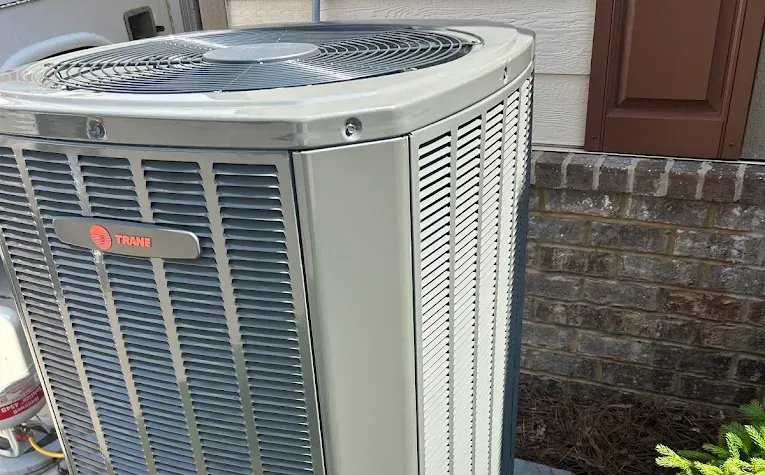
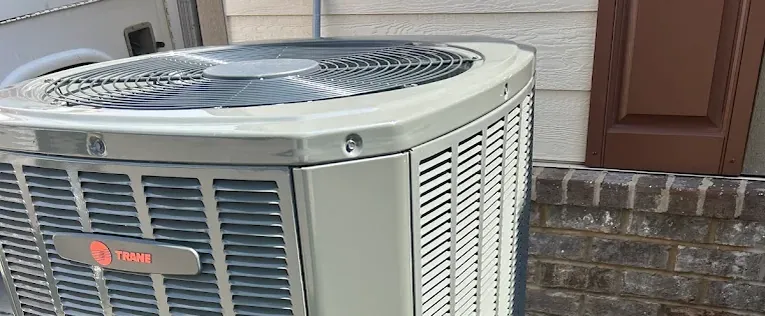
A central air conditioner works hardest when the weather turns hot, and routine maintenance is how we keep it ready for that season. At True Temp Heating & Air, we provide central AC maintenance and tune-ups for homes in Dalton, Chatsworth, and across our service area, including Rocky Face, Varnell, Beaverdale, and Eton. Each visit checks the parts that wear over time, measures performance, and explains anything that needs attention before it grows into a larger problem. We work on all makes, and Trane is our primary brand.
Plan A Visit
Tell Us About Your Central AC Maintenance Needs
Tell us about your system, including its make, its age if you know it, and when it was last serviced. Share as much detail as you have, and we will plan a visit that fits your household and your schedule. Our team will confirm the details, explain what a tune-up covers, and answer your questions before the appointment. If your system is already showing symptoms, our central AC repair services address those problems directly. If you are comparing new equipment, our central AC installation options explain how a replacement is planned, and the full central air conditioning overview covers everything we install and service.

Care From a Heating and Cooling Company That Stays Close to Home
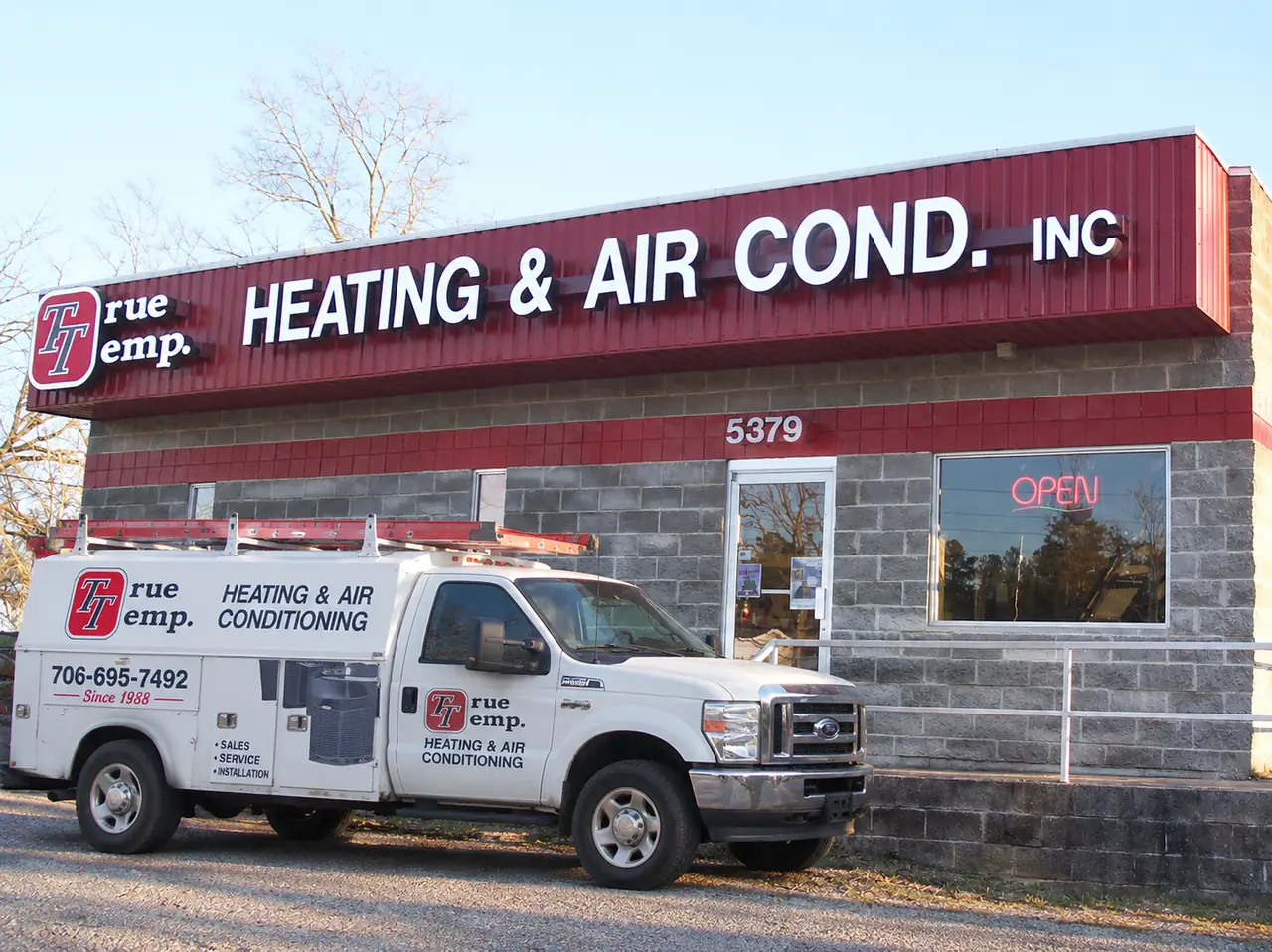
Maintenance is a relationship that runs for years, so the company you choose matters as much as the checklist. Most of the value in a maintenance program comes from what the team learns over time, not from a single visit. You can read our company background or meet the team that will care for your system before you book a visit.
The Steps in a Routine Tune-Up
A routine tune-up follows the same order on every visit, so you know what to expect and so the findings can be compared from one visit to the next. Each stage checks the parts that wear the most under regular use.
1. Review the Equipment History and Your Concerns
We start with the system's history and anything you have noticed since the last visit. That context shapes where we spend the most time during the tune-up.
- Ask when the system was last serviced and whether any repairs were made
- Note changes in cooling performance, unusual sounds, or uneven temperatures between rooms
- Confirm the thermostat settings and how the household uses the system day to day
- Consider whether the equipment's age or an earlier repair affects which checks deserve the most attention
- Note any warm spots, humidity concerns, or rooms that never seem to cool the way they should
- Agree on the goals for the visit so the tune-up answers the questions that matter most to you
2. Check the Outdoor Condenser and Electrical Parts
The outdoor unit works hardest in hot weather, so we look closely at its moving parts and electrical connections. These checks catch wear while it is still easy to address, before it becomes an unexpected failure in the middle of the season.
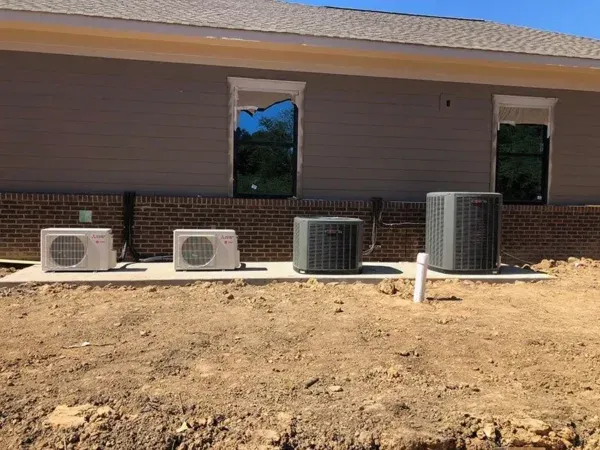
- Clean the condenser coil and clear debris, leaves, and vegetation from around the cabinet
- Inspect the condenser fan motor, blade, and bearings for wear or unusual noise
- Check the contactor, capacitor, and wiring for scorching, pitting, or loose connections
- Confirm the unit sits level and has the clearance it needs for airflow
- Look for signs of refrigerant leakage at fittings, joints, and the line set
- Check that the disconnect and the surrounding panels are secure and in good condition
3. Inspect the Indoor Coil, Blower, and Drain
Indoor components affect comfort as much as the outdoor unit does. Our team checks them carefully so the system moves air evenly through the home. We also look for changes since the last visit.
- Inspect the indoor coil for dirt and buildup that restrict heat transfer
- Check the blower wheel and motor for dust, balance, and smooth operation
- Clear the condensate drain line and check the drain pan for algae or standing water
- Review the air filter's condition and recommend a replacement routine that suits your home
- Examine duct connections and return pathways for leaks or blocked airflow
- Look for dust or debris in the return grilles and filter slot that could limit airflow
4. Measure Performance and Confirm Normal Operation
Readings show how well the system is moving heat, so we measure while the equipment runs. We compare the results with the expected operating range for the system rather than relying on how it feels. Each reading is recorded so we can judge the system's trend, not just its condition on one day.
- Read refrigerant pressures and compare them with the expected operating range for the equipment
- Measure supply and return temperatures to judge how well the system removes heat from the home
- Check thermostat response and control wiring under normal operating conditions
- Verify that the system cycles as designed without short cycling or running without reaching setpoint
- Review whether any current rebates and offers apply to the work we recommend
- Record every reading so the next visit can compare the results with this one
5. Deliver Written Findings and Next-Visit Recommendations
The tune-up ends with a written record, so you have the readings, the condition of each part, and a plan for the coming seasons. Our team walks through the results with you before we leave the property. The written summary stays with your records, so the next technician can compare results across seasons.
- Summarize the readings we took and what each one tells us about the system's condition
- List the components that tested well and the ones we are watching over time
- Separate any items that need attention now from those that can wait for a later visit
- Recommend a timing for the next visit based on what we observed during this one
- Explain how our maintenance plan can keep these checks on a regular schedule
What Dalton & Chatsworth Customers Say About Our Heating and Cooling Company
Good reviews don't come from advertising — they come from showing up and doing the work right. Here's what our neighbors across North Georgia have to say about True Temp Heating & Air.
HVAC Maintenance Plans for Dalton & Chatsworth Homes and Businesses
Regular maintenance is the simplest way to keep your system efficient and avoid surprise breakdowns. Our maintenance plans put your equipment on a regular tune-up schedule so small issues get caught early — before they turn into a no-heat or no-cool call.
Residential Maintenance Plan
Keep your home's heating and cooling running at its best year after year. Our residential plan covers routine tune-ups for your AC, heat pump, furnace, mini-split or packaged unit.
Commercial Maintenance Plan
Downtime costs your business. Our commercial plan keeps rooftop units, boilers and chillers on a regular service schedule so your building stays comfortable and your equipment lasts.
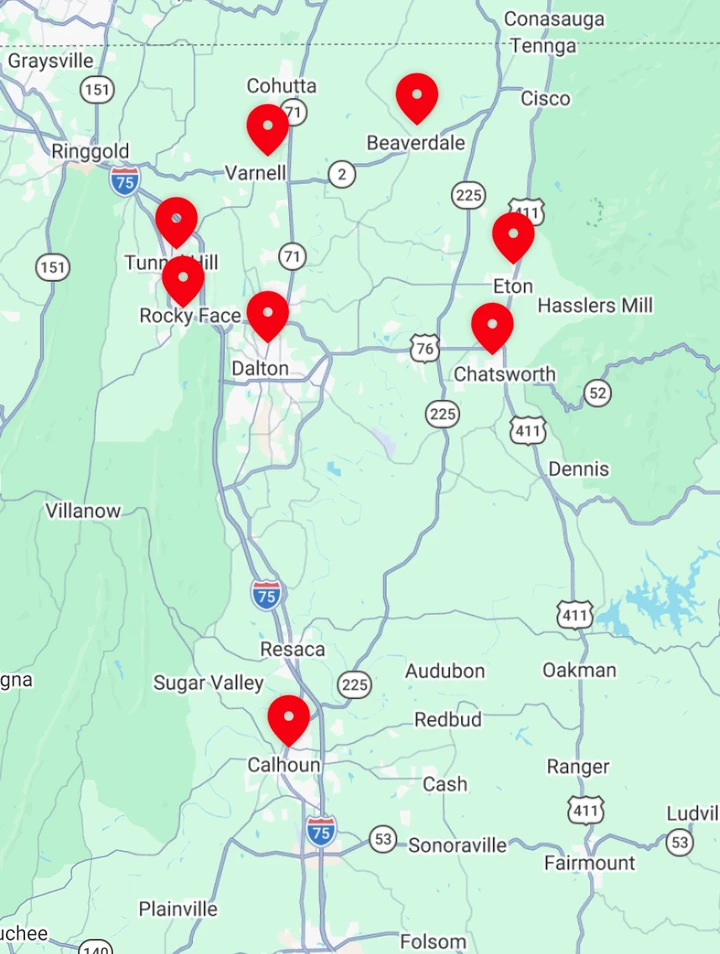
Central AC Maintenance Across Our Service Area
We provide central AC maintenance in Dalton, Chatsworth, and throughout the communities below, and routine visits follow the same process wherever the home is located. Each city page is written for homes in that community. Our service area overview shows full coverage, and each city page includes local details for homeowners.
-
Dalton, GA — Our Dalton page explains how tune-ups and routine checks are handled for homes in the city. -
Rocky Face, GA — Our Rocky Face page covers maintenance visits for households in the community. -
Varnell, GA — Our Varnell page describes ongoing central AC care for local homes. -
Beaverdale, GA — Our Beaverdale page outlines our routine maintenance approach for the area. -
Eton, GA — Our Eton page details tune-up service for homeowners in the city. Calhoun, GA — Calhoun is among the communities we serve for central AC maintenance. Tunnel Hill, GA — Tunnel Hill is among the communities we serve for central AC maintenance.
Central AC Maintenance Questions Answered
A maintenance visit reviews the system's history, then checks the outdoor condenser, indoor coil, blower, condensate drain, thermostat, and electrical connections. We take readings while the system runs so the findings reflect how it actually performs. You receive a written summary of what we measured and what we recommend, so you can keep it for your records.
Many homeowners schedule a visit before the cooling season begins, so the system is checked before the first sustained heat arrives. Homes that rely on the same equipment for heat may also benefit from a visit before the heating season. Our team can recommend timing based on the system's age, its history, and how you use it.
No maintenance program can guarantee that a system will never fail, because parts wear out and some faults develop without warning. Maintenance reduces the chance of avoidable failures by catching worn components, dirty coils, drainage problems, and electrical wear while they are still small. We explain the tradeoffs honestly so you can decide how much preventive care suits your home.
A clean, properly adjusted system often runs more efficiently than one with dirty coils, restricted airflow, or worn components. The size of that effect depends on the equipment's age and condition, so we do not promise a specific savings amount. During the visit we measure performance and explain which items matter most for efficiency in your home.
Older systems usually benefit from closer attention, because components that have run for many seasons can wear in ways a newer unit might not. Our team looks at the equipment's age, its service history, and the parts most likely to need attention. We will also explain plainly whether the system still makes sense to keep.
A single tune-up is one visit focused on your system's condition at that time. Our maintenance plan is designed for ongoing care, so the checks continue across the seasons and the service records build over time. That history helps the team see how the system is changing. Our team can explain how enrollment works and whether the plan suits your household.
Yes. Our maintenance plan is available for residential and commercial customers, and the commercial equipment we service includes rooftop units, boilers, and chillers. Business equipment often runs on a different schedule and load than a home system, so we plan each visit around the equipment and the way the business operates. Contact our team to discuss what your facility needs.
We explain what we found, show you the readings or condition behind it, and separate items that need attention now from those that can wait. You decide what goes ahead, and we do not begin any repair until you agree. If a repair is recommended, we describe the options and their likely reliability first. Ask as many questions as you need.
A maintenance visit does not replace filtration, but it can reveal airflow problems, clogged filters, and drainage issues that affect how clean the air in the home feels. If you want cleaner air, indoor air quality options such as Trane CleanEffects air cleaners are worth discussing during the visit. We will explain how any upgrade would work alongside your existing equipment.
Ductwork affects how evenly a system heats and cools, so we check visible connections, airflow, and signs of leakage during a tune-up. If the ducts themselves need cleaning, our duct cleaning service uses Rotobrush equipment and can address buildup we find inside them. That is why we review the ducts alongside the air conditioner.
Have a Question We Didn't Answer? Contact Us!
Submit QuestionMaintenance for Your Other Comfort Systems
Many homes run more than one comfort system, and a tune-up on one often reveals useful information about the others. See our services overview for the full list.
Your Central AC Contractor for Ongoing Care
A central air conditioner that is cared for on a regular schedule is easier to plan around than one that is only serviced after it stops working. Our team will explain the visit, the readings we take, and the findings we share, so you can decide what fits your home. Bring your questions about your system's age, its history, and how you use it.
We serve Dalton and Chatsworth from our on-site showroom and fabrication shop, and we are glad to talk through your options by phone or in person. Our team is ready to answer questions about scheduling, the visit itself, and how routine care fits your household. There is no pressure to decide anything during the first conversation. Tell us what your system needs, and we will help you plan the next step.