Keeping Hot Water Steady
Tankless Water Heater Tune-Ups in Dalton & Chatsworth, GA
A tankless water heater delivers hot water on demand, and it performs best when its filters, connections, and controls are checked on a regular schedule. True Temp Heating & Air provides tankless maintenance and tune-ups for homes in Dalton, Chatsworth, and across our service area, including Rocky Face, Varnell, Beaverdale, and Eton. Each visit reviews the unit's fault history, clears debris from the water side, checks the fuel and water connections, and flags anything that needs attention. Rinnai is our tankless brand, and we service all makes.
Plan A Tune-Up
Tell Us About Your Tankless Unit and Its Service History
Tell us about your unit, including its make, its age if you know it, and when it was last serviced. Note any fault codes that have appeared and whether the unit has been repaired before. Our team will confirm the details and plan a visit that fits your household, and we will answer your questions before we arrive. If the unit is already showing symptoms, our tankless water heater repair page explains how we diagnose faults, and if you are weighing a new unit, our tankless water heater installation page covers how we size and place one.

Routine Care That Builds a Record of Your Unit
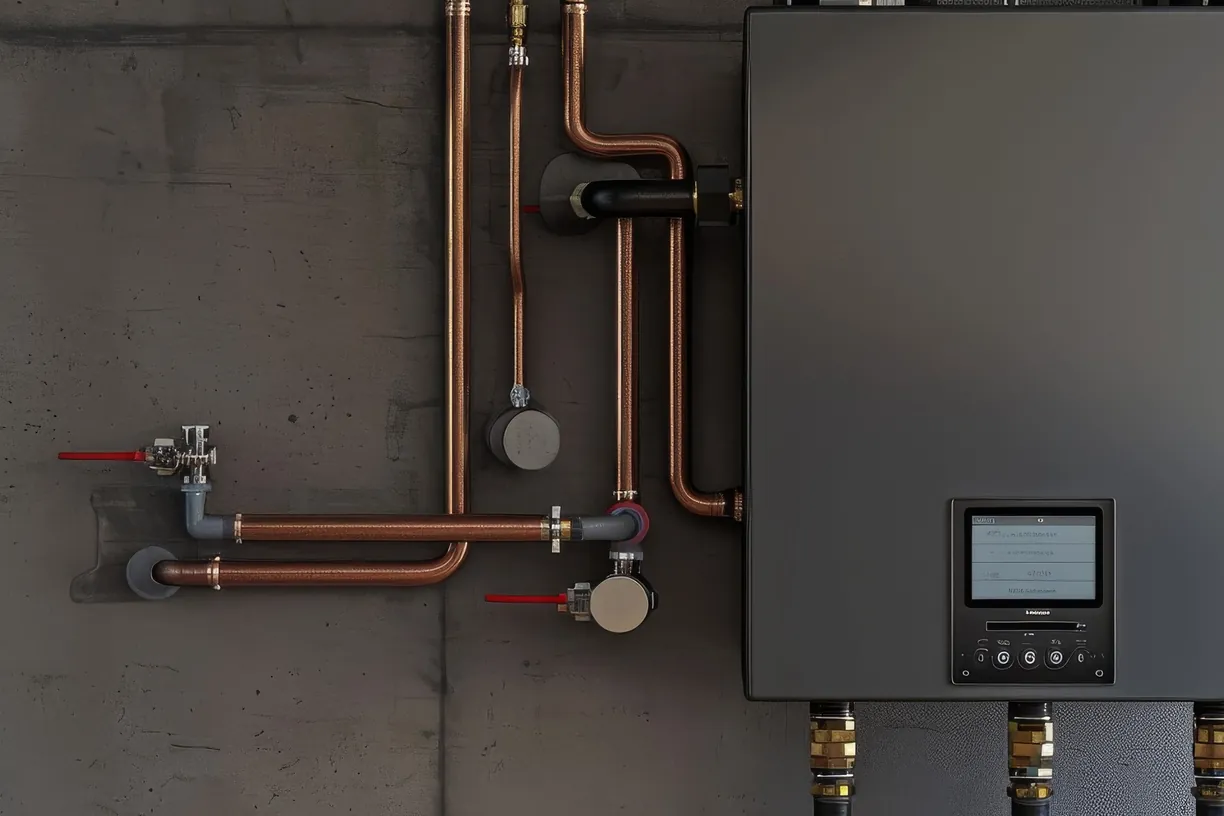
Routine maintenance works best when the same team follows the unit from one visit to the next. A tankless water heater changes slowly, and small shifts in flow, temperature, or fault history are easier to read when someone has kept careful notes. You can read our company background or meet the team that will care for your unit before you book a visit.
How a Tankless Tune-Up Unfolds on Site
Every tune-up follows the same order, so the findings can be compared from one visit to the next. Our tankless water heaters overview describes the full range of tankless work we do, and each stage below focuses on a part of the unit that affects everyday performance.
1. Start With the Unit's Service Record and Your Routine
We begin with the unit's history and the settings your household uses day to day. That context tells us where to spend the most time during the visit, and it shows whether a symptom is new or has appeared before.
- Ask when the unit was last serviced and whether any repairs were made
- Note fault codes, shutdowns, or changes in water temperature you have observed
- Confirm the temperature settings and how many fixtures usually run at the same time
- Consider the unit's age and model when deciding which checks deserve the most attention
- Note any leaks, scale marks, or unusual noises reported since the last visit
- Agree on the goals for the visit so the tune-up answers the questions that matter most to you
2. Clean the Water Inlet Path and Filters
Debris and restricted flow can cause a tankless unit to heat water unevenly, so we start with the water side. Clearing the inlet path restores the flow the unit needs to heat water as designed, and it gives us clean readings for the rest of the visit.
- Locate the water inlet screen or filter, where your model has one, and remove any debris
- Check the cold-water supply valve and inlet connections for leaks or restricted flow
- Inspect the outlet fittings and hot-water line for mineral deposits or corrosion
- Check flow and temperature response while water runs through the unit
- Confirm that any isolation valves open fully and turn freely
- Record any scale or debris we remove so the next visit can compare conditions
3. Inspect the Venting, Fuel Connections, and Ignition
Gas-fired units rely on clear venting, sound fuel connections, and reliable ignition. We check each one, because a small restriction or leak can change how the unit runs, and a problem in one area often shows up as a symptom in another.
- Inspect the vent or exhaust path for blockages, damage, or loose joints on gas-fired units
- Check the air supply around the unit so combustion has the air it needs
- Look for gas odor, leaks at fittings, or corrosion on the gas connections
- Observe ignition and burner operation during a normal hot-water draw
- Check the electrical connections and the power supply serving the unit
- Note any condensation, staining, or soot that may point to a venting or combustion issue
4. Test the Controls, the Display, and the Safety Responses
Controls and safety features work together, so we test them as one system. We confirm that the unit responds the way it should, and that any fault codes match what we observe during the visit and what the service record shows.
- Review the display for stored fault codes and compare them with the unit's history
- Test the temperature controls and any remote controller your unit uses
- Confirm the unit shuts down and restarts as designed during a controlled draw
- Check the sensors and wiring that feed the controller for loose or damaged connections
- Verify that flow and temperature readings stay within the unit's normal operating range
- Clear only the codes we have addressed, so the record keeps every fault we found
5. Leave a Written Record and a Timing Plan
The visit ends with a clear record of what we found and a recommended timing for the next visit. Our team reviews the results with you before we leave the property, so you know what the unit needs now and what can wait for later.
- Summarize the readings and checks we completed during the visit
- List the components that performed well and the ones we are watching over time
- Separate items that need attention now from those that can wait for a later visit
- Recommend a timing for the next visit based on what we observed
- Explain how our maintenance plan can keep these checks on a regular schedule
- Note any current rebates and offers that may apply to recommended work
What Dalton & Chatsworth Customers Say About Our Heating and Cooling Company
Good reviews don't come from advertising — they come from showing up and doing the work right. Here's what our neighbors across North Georgia have to say about True Temp Heating & Air.
HVAC Maintenance Plans for Dalton & Chatsworth Homes and Businesses
Regular maintenance is the simplest way to keep your system efficient and avoid surprise breakdowns. Our maintenance plans put your equipment on a regular tune-up schedule so small issues get caught early — before they turn into a no-heat or no-cool call.
Residential Maintenance Plan
Keep your home's heating and cooling running at its best year after year. Our residential plan covers routine tune-ups for your AC, heat pump, furnace, mini-split or packaged unit.
Commercial Maintenance Plan
Downtime costs your business. Our commercial plan keeps rooftop units, boilers and chillers on a regular service schedule so your building stays comfortable and your equipment lasts.
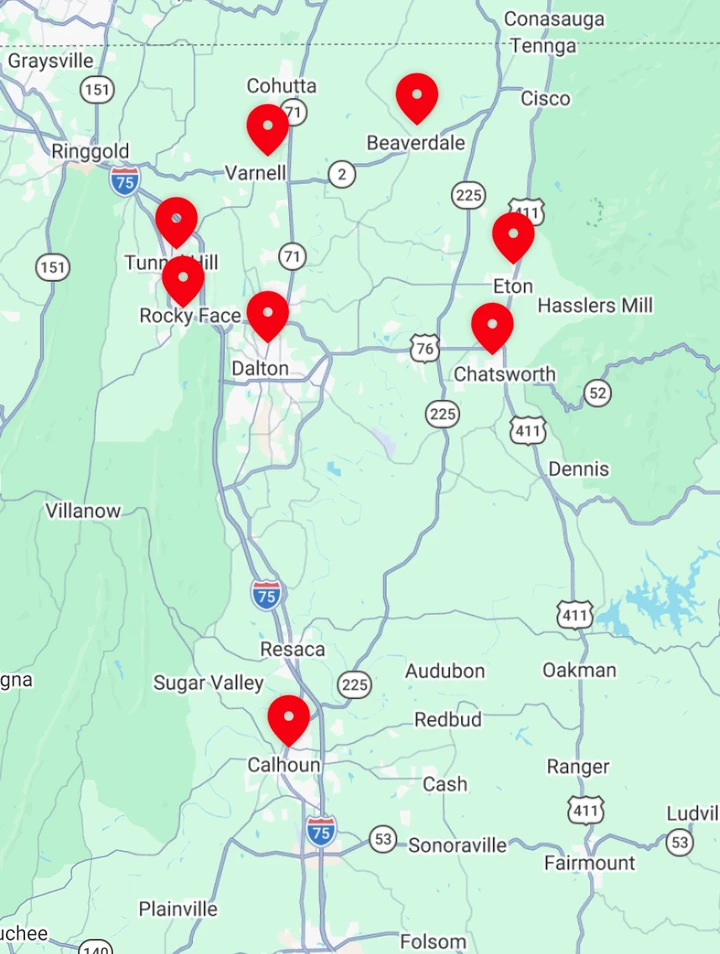
Tankless Maintenance Across Our Service Area
We provide tankless maintenance in Dalton, Chatsworth, and throughout the communities below, and each visit follows the same process wherever the home is located. Our service area overview shows full coverage, and each city page describes the work for homes in that community. The notes below give a brief view of what each page covers.
-
Dalton, GA — Our Dalton page explains how tankless tune-ups are handled for homes in the city. -
Rocky Face, GA — Our Rocky Face page covers routine tankless care for households in the community. -
Varnell, GA — Our Varnell page describes tankless maintenance for local homes. -
Beaverdale, GA — Our Beaverdale page outlines our routine tankless approach for the area. -
Eton, GA — Our Eton page details tune-up service for homeowners in the city. Calhoun, GA — Calhoun is among the communities we serve for tankless maintenance. Tunnel Hill, GA — Tunnel Hill is among the communities we serve for tankless maintenance.
Tankless Maintenance Questions Answered
The right timing depends on the unit's model, the water supply in your home, and how heavily your household uses hot water. After each visit we recommend a timing plan that fits your system, and our maintenance plan can keep those visits on a regular schedule without you having to track them.
Yes, when your model has an inlet screen or filter, we check it and clear any debris. Debris can restrict water flow and affect how evenly the unit heats water. We record what we remove so the next visit can compare conditions. If your unit has no accessible screen, we will explain what we check on the water side instead.
Mineral buildup can form inside the heat exchanger over time, depending on the water in your home. During a tune-up we check for scale and recommend descaling when the buildup warrants it. We do not descale every unit by default, because the need depends on what we observe. If descaling is recommended, we will explain the reason, the work, and your options before anything begins.
On gas-fired units, we check the venting and exhaust path for blockages or damage, the air supply around the unit, and the gas connections for leaks. We also observe ignition and burner operation during a normal hot-water draw. Any finding that touches the fuel supply is explained before we proceed. Our gas and propane services page covers gas fireplaces, outdoor kitchen gas hook-ins, and propane tank filling.
Between visits, watch the display for fault codes, and note any change in how long hot water takes to reach a fixture or how steady its temperature stays. Keep the area around the unit clear, and do not block its vents. Write down any leaks, unusual noises, or staining. Those notes help us interpret what the unit is doing at the next visit.
Routine care can reduce the chance of some problems, such as lukewarm water caused by a clogged inlet, mineral buildup, or a drifting sensor. It cannot guarantee that a unit will never develop a fault, because parts wear and some failures come without warning. Maintenance catches small changes early, while they are still easier to correct.
A single tune-up is one visit focused on the unit's condition at that time. Our maintenance plan keeps the checks on a regular schedule and builds a service record across seasons. Residential and commercial customers can both take part. Ask our team about enrollment to learn how the plan works for a tankless unit and whether it suits your household.
Many homes run a furnace, central air, or a heat pump alongside a tankless water heater. Our team can discuss whether it makes sense to plan those visits together, and we will explain what each system needs. Our central AC maintenance and furnace maintenance pages describe the checks we make on those systems.
Someone who knows the household's hot-water use and the unit's location should be present, so the technician can answer questions and walk you through the findings. Please plan for access to the unit, its water shutoffs, and its electrical panel. If you are unable to be home, ask our team how to arrange access before the visit so the appointment runs smoothly.
Yes. After the visit, we provide a written summary of the readings we took, the condition of each component we checked, and our recommended timing for the next visit. You keep that record for your files, and a later technician can compare results against it. Items that need action now are separated from those that can wait.
Have a Question We Didn't Answer? Contact Us!
Submit QuestionOther Comfort Systems We Maintain Alongside Your Water Heater
Many homes run more than one system, and a tune-up on one often reveals useful information about the others. Browse our services overview for the full list of what we cover, and compare the options below for the rest of your home.
Ongoing Tankless Care From Our Dalton & Chatsworth Contractor
A tankless water heater that is checked on a regular basis is easier to plan around than one that is only serviced after a fault appears. Our team will explain the visit, the checks we make, and the findings we share, so you can decide what fits your home. Bring your questions about the unit's make, its age, and how your household uses hot water. Our team can also explain how a single tune-up differs from enrolling in our maintenance plan.
We serve Dalton and Chatsworth from our on-site showroom and fabrication shop, and we are glad to talk through your options by phone or in person. There is no pressure to decide anything during the first conversation. Tell us about the unit, and we will help you plan the next step.