When Cooling Fails
AC Repair in Dalton & Chatsworth, GA
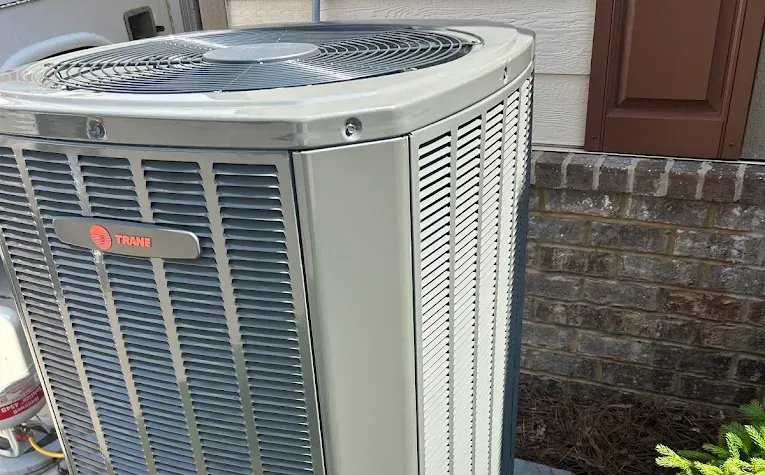
When your air conditioner stops cooling, makes new sounds, or cycles on and off without reaching the setpoint, the most useful first step is an accurate diagnosis. At True Temp Heating & Air, we inspect central AC systems at the home in Dalton, Chatsworth, and across our service area, including Rocky Face, Varnell, Beaverdale, and Eton. We test the system, explain what we find, and outline the repair options in plain language before any work begins. We work on all makes, and Trane is our primary brand.
Describe Your System
Tell Us What Your AC Is Doing
Send us the details about the symptoms you have noticed, when they started, and whether the system has been repaired before. These details help us plan a useful first conversation about the fault and what it may take to correct. If the system is near the point where replacing it makes more sense than repairing it, we will explain that openly, and you can compare our central AC installation services. For ongoing care that helps catch small faults early, review our central AC maintenance visits. You can also browse the full air conditioning overview for everything we install and service.
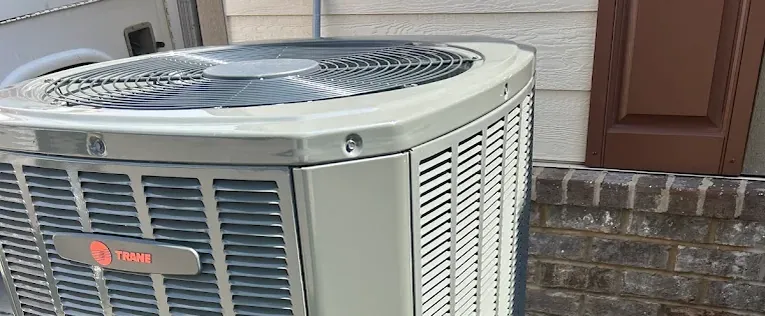
A Repair Visit Built Around the Real Cause
A repair is only as good as the diagnosis behind it. Before we recommend a fix, we want to know why the system failed, whether the same fault is likely to return, and how the rest of the equipment is holding up. You can read our company background or meet the team that will visit your home. When you are ready, reach our team to begin with a conversation about the symptoms.
Signs Your Air Conditioner Is Asking for Help
Air conditioners rarely fail without warning. The symptoms below often point to a specific fault, and describing them accurately helps us narrow the diagnosis before we arrive.
When the air from supply registers stays warm after the system has run for a while, the cooling cycle is not removing heat as it should. Causes range from a low refrigerant charge, which usually signals a leak, to a failing capacitor or a compressor that is not starting properly. Note whether the warm air is constant or comes and goes.
A system that starts and stops every few minutes rarely cools the home evenly. Short cycling can come from an overheated condenser, a dirty coil, a faulty thermostat, or a control that is failing. The unit may seem to work, but repeated starts add strain to the compressor and electrical parts.
Frost on the copper line set or the indoor coil usually means the system is not moving enough air across the coil or is short on refrigerant. A clogged filter or closed registers are common reasons for restricted airflow. Turn the system off and allow the ice to melt rather than forcing the unit to run through it, then call so we can find the cause.
Water around the air handler often points to a clogged condensate drain line or a cracked drain pan. A blocked line can back water into the home. Look for damp ceiling tiles, staining, or a musty smell near the unit, and mention those signs when you describe the problem.
Grinding, squealing, or rattling sounds can come from a fan motor, a loose panel, or a worn bearing. A burning smell and a musty odor point to different components, so report both if you notice them. Note when the noise starts, such as at startup, during operation, or when the system shuts down.
A breaker that trips as the system starts can point to an electrical fault, a failing compressor, or a shorted component. A unit that hums without starting may have a capacitor or start-component problem. Avoid resetting the breaker repeatedly, because that can hide a fault that needs a proper diagnosis.
How a Repair Visit Moves From Symptom to Verified Fix
A dependable repair follows a sequence, so each step narrows the cause before any part is replaced. You will see the same order on every visit, and our team will explain each stage as we move through it.
1. Hear the Symptoms and Review the History
We begin by listening to what you have observed, because the homeowner's account often points toward the fault. This conversation also covers the system's past repairs so we do not overlook a pattern that has been building over time.
- Ask when the problem started and whether it happens at a particular time of day or outdoor temperature
- Note any sounds, smells, or warm spots you have seen in the home, and where in the house they appear
- Review previous repairs, service visits, and any changes that were made to the system
- Confirm the thermostat settings and how the household has been using the system day to day
- Ask whether the unit has tripped breakers or shut down unexpectedly during recent operation
- Agree on what you want the visit to answer, so the diagnosis stays focused on your concerns
2. Inspect the Outdoor Unit and Refrigerant Circuit
The outdoor condenser holds several components that can fail on their own or together. We check each one with the system running, so we see how it behaves under load rather than only at rest.
- Check the condenser fan motor and blade for damage, binding, or unusual noise during operation
- Inspect the contactor, capacitor, and electrical connections for wear, scorching, or loose terminals
- Look at the condenser coil for debris, bent fins, or anything that restricts airflow through the unit
- Read refrigerant pressures and compare them with the expected operating range for the system
- Look for oil traces or signs of leakage at fittings, joints, and the coil surface
- Confirm that the outdoor unit is level, clear of obstructions, and set up for proper airflow
3. Test the Indoor Side, Airflow, and Controls
Airflow problems and indoor faults can mimic a failing outdoor unit, so we test both sides of the system. Testing the indoor side keeps us from replacing parts that are working and focuses attention on the component that actually needs help.
- Inspect the air filter, blower wheel, and indoor coil for dirt, buildup, or restriction
- Measure airflow and check whether the blower motor runs at the correct speed for the system
- Check the condensate drain and drain pan for clogs, algae, or standing water
- Test the thermostat and control wiring to confirm the system receives the correct signals
- Compare supply and return temperatures to judge how well the system is removing heat from the home
- Review the return air pathways for closed registers or blocked returns that starve the system of air
4. Confirm the Root Cause and Explain the Options
Once the readings are in, we match the symptoms to the fault they point toward. We show you the evidence and explain the choices, so you understand what is really wrong before you decide how to proceed.
- Walk through the findings, including the readings, the worn parts, and the components that tested correctly
- Separate the immediate repair from any related issues that can wait for a later visit
- Describe the reliability you can expect after each option, in plain terms you can compare
- Review whether any current offers apply to the work you are considering
- Answer questions about the cause before anything is installed, adjusted, or changed in the system
- Confirm the repair plan in writing so you have the same details we discussed on the visit
5. Complete the Repair, Retest, and Document the Findings
The visit is not finished until the system runs correctly and you understand what was done. We retest the work and leave you with a clear record of the results, so you can refer to it later.
- Complete the agreed repair and confirm the parts installed are the ones we discussed with you
- Retest the system and record operating temperatures, refrigerant pressures, and airflow readings
- Confirm the thermostat and controls respond as expected after the repair is complete
- Give you a written summary of the findings, the work performed, and the readings we took
- Discuss whether our maintenance plan fits your system once the repair is complete
Common Faults We Diagnose and Repair
Each card describes a fault we see often and what a repair typically involves.
Capacitor Replacement
A weak capacitor can make the fan or compressor hum or fail to start. We test it and replace it when the test confirms the fault.
Refrigerant Leak Repair
Refrigerant does not deplete in a sealed system, so low charge points to a leak. We locate, repair, and recharge to the correct level.
Contactor and Relay Repair
Worn contacts can cause intermittent operation. We test the contacts and replace the component when wear is confirmed.
Blower Motor Problems
A failing blower motor can reduce airflow or overheat. We check the motor, wiring, and controls before recommending a repair.
Thermostat and Control Wiring
A faulty thermostat or damaged wiring can keep the system from starting. We test both before replacing any equipment.
Compressor Starting Faults
Start components and supply problems can stop the compressor or cause repeated trips. We test the circuit to isolate the fault.
Airflow Restriction Repair
Dirty coils, blocked returns, and collapsed ductwork starve the system of air. We clear the restriction where possible.
Condensate Drain Clearing
A clogged drain line can back water into the home. We clear the line, check the drain pan, and note any algae growth.
HVAC Maintenance Plans for Dalton & Chatsworth Homes and Businesses
Regular maintenance is the simplest way to keep your system efficient and avoid surprise breakdowns. Our maintenance plans put your equipment on a regular tune-up schedule so small issues get caught early — before they turn into a no-heat or no-cool call.
Residential Maintenance Plan
Keep your home's heating and cooling running at its best year after year. Our residential plan covers routine tune-ups for your AC, heat pump, furnace, mini-split or packaged unit.
Commercial Maintenance Plan
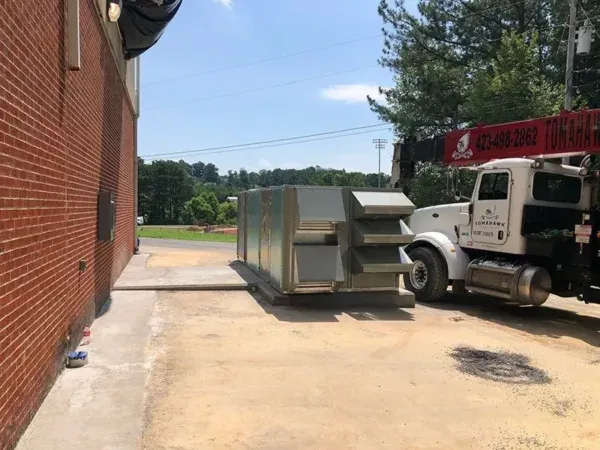
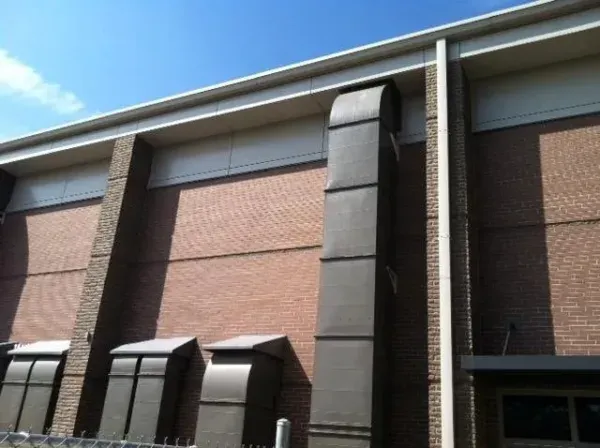
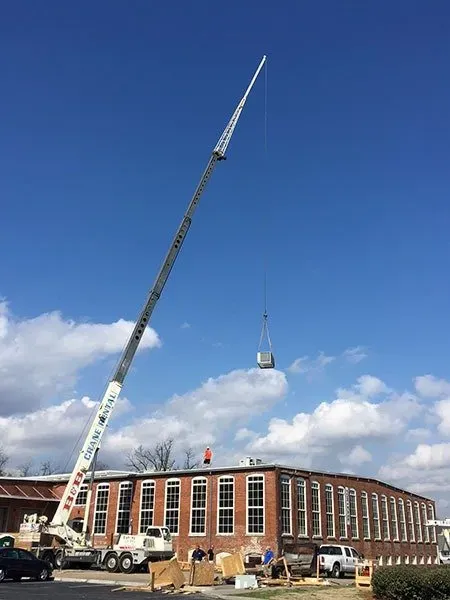
Downtime costs your business. Our commercial plan keeps rooftop units, boilers and chillers on a regular service schedule so your building stays comfortable and your equipment lasts.
What Dalton & Chatsworth Customers Say About Our Heating and Cooling Company
Good reviews don't come from advertising — they come from showing up and doing the work right. Here's what our neighbors across North Georgia have to say about True Temp Heating & Air.
AC Repair Questions Answered
A system can run normally and still fail to cool when airflow is restricted, refrigerant is low, or the compressor is not doing its job. We start by checking the air filter, registers, and indoor coil, then measure the outdoor unit's operating readings. Because several faults share the same symptom, we identify the cause rather than guessing. If the ductwork is contributing, our duct cleaning service may help once the source is confirmed.
Yes. Trane is our primary brand, and we work on all makes, so an air conditioner from another manufacturer can still be evaluated and repaired by our team. We explain how the fault affects the system and whether the repair is practical for the equipment's age and condition. If the unit is not worth repairing, we will say so and describe what replacing it would involve.
Yes. True Temp Heating & Air offers 24/7 emergency service when an air conditioner fails. When you call, describe the symptoms and any tripped breakers or unusual sounds, so our team can plan the visit around what you are seeing. Our technicians will confirm the cause on site before recommending any repair.
We start with pressure readings and a visual inspection of fittings, joints, the coil, and the line set, looking for oil traces that often mark a leak. Depending on what we see, we may also use leak-detection tools to narrow the location. Refrigerant is not used up in a sealed system, so finding and repairing the source matters more than simply adding charge. We explain the findings before any repair begins.
Yes. We work with Service Finance, North Georgia Electric, and Wells Fargo, so you can compare ways to plan a larger repair bill. Each lender sets its own terms and approval, and our team can explain which program may fit your situation. Review our financing options before you decide, and keep in mind that a repair should still be justified by the condition of the system.
A frozen coil usually signals restricted airflow or low refrigerant, and running the system while it is iced over can damage the compressor. Turn the system off and let the ice melt before calling us. Once it has thawed, we check the filter, blower, and refrigerant circuit to find the cause. Ice that returns after cleaning is a sign the underlying fault has not been corrected.
Yes. A thermostat that is failing, miscalibrated, or wired incorrectly can prevent the system from starting, keep it running too long, or cycle it at the wrong times. We test the thermostat's signals and wiring before replacing equipment, since the fault is often simple to confirm. When we do replace a thermostat, we set it up with you so you know how each mode works.
Write down the symptoms, when they began, and any noises, smells, or breaker trips you noticed. Clear space around the outdoor unit so the technician can reach the disconnect and panels, and check that the thermostat is set to the mode you normally use. If you have a record of previous repairs, have it ready. If you are unsure which details matter, contact our team and we will sort through them with you.
A clogged filter is one of the most common reasons an air conditioner loses airflow, and reduced airflow can freeze the coil, stress the blower, and lower comfort. Replacing or cleaning the filter on a regular schedule helps prevent these problems. If the home has ongoing air quality concerns, our indoor air quality services focus on air filtration and air cleaners, including Trane CleanEffects options.
Yes. Our mobile and modular home services include heating, air conditioning, and heat pump service for manufactured and modular homes. These homes often have different framing, duct layouts, and mechanical spaces, so we review the setup before diagnosing the fault. Our team will explain what we find and which repair fits the home's configuration.
Have a Question We Didn't Answer? Contact Us!
Submit Question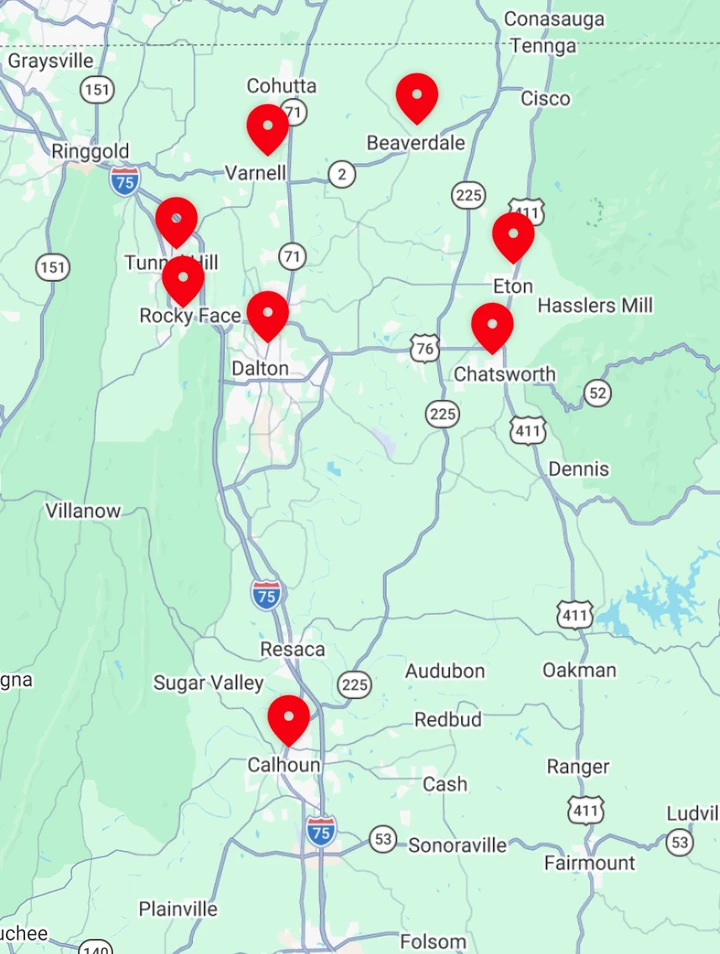
AC Repair Across Our Service Area
We diagnose and repair central AC systems in Dalton, Chatsworth, and throughout the communities below. Our service area overview shows our full coverage, and each city with its own page includes local details for homeowners.
-
Dalton, GA — Our Dalton page explains AC diagnosis and repair for homes in the city. -
Rocky Face, GA — Our Rocky Face page covers repair service for households in the community. -
Varnell, GA — Our Varnell page describes how we diagnose AC faults for local homes. -
Beaverdale, GA — Our Beaverdale page outlines our repair approach for the area. -
Eton, GA — Our Eton page details AC repair service for homeowners in the city. Calhoun, GA — Calhoun is among the communities we serve for AC repair. Tunnel Hill, GA — Tunnel Hill is among the communities we serve for AC repair.
Other Heating and Cooling Systems We Repair
Many homes run more than one comfort system, and the diagnosis approach often overlaps. You can also review our services overview for the full list of what we offer.
Call Our AC Repair Contractor in Dalton & Chatsworth, GA
A failing air conditioner is easier to manage when someone explains the cause clearly before any work begins. Our team will walk you through the symptoms, the diagnosis, and each repair option, so you can decide with confidence. Bring your questions and any details about the system, including its make and recent service history. We will help you plan the next step for your home.
We serve Dalton and Chatsworth from our on-site showroom and fabrication shop, and we are glad to talk through your options by phone or in person. Tell us what your system is doing, and we will explain what we find in plain terms.