Tank Water Heater Installation
Tank Water Heater Installation in Dalton & Chatsworth, GA
A tank water heater keeps a reserve of hot water ready for the household, so the installation decides how well that supply fits your daily routine. At True Temp Heating & Air, we install tank water heaters for homes in Dalton, Chatsworth, and throughout our service area, including Rocky Face, Varnell, Beaverdale, and Eton. Every project begins with a walkthrough of your current setup, the space available, and how your household uses hot water. American Water Heaters is the tank brand we install, and we work on all makes. We explain each recommendation before any work is scheduled.
Share Your Current Tank Details
Share Your Current Tank Details With Our Team
Tell us about your home, your current water heater, and the hot water needs you want the new tank to meet. It helps to note the age of the unit, where it sits, and any problems you have noticed, even if they seem minor. Our team uses those details to plan a useful conversation before we visit. If you are still comparing options, review our tank water heater repair page, return to the tank water heater overview, or compare a tankless water heater installation.

The Heating and Cooling Contractor Behind Your Tank Installation
A tank installation is a planned change to your home's water system, so you should understand each step before the crew arrives. You can read about our company background or meet the people who will plan your project on our team page before you reach out. When you are ready to talk through a new tank, contact our team and we will set up a planning conversation.
How Our Technicians Move From Assessment to Handoff
A tank installation follows a sequence built to protect the home, the plumbing, and the new equipment. Each stage depends on the one before it, so the plan you approve at the start is the plan the team carries out. The five steps below describe how a typical project unfolds with our team, from the first walkthrough through the final handoff.
1. Walk Through Your Current Setup
We begin on site so we can see the existing water heater, the connections around it, and the space the new tank would occupy. This first visit shapes every recommendation, so we take time to learn how your household uses hot water as well as how the building is laid out.
- Review the existing water heater, its location, and the lines that currently serve it
- Note which fixtures and appliances run hot water at the same time on a typical day
- Look at the floor, wall clearances, drainage, and access for future service
- Ask about any hot water problems you have noticed, such as cool water or moisture near the base
- Confirm who makes the decisions about the project so every recommendation reaches them
- Agree on a timing for the work that fits your household's routine
2. Size the Tank and Compare Your Options
Sizing begins with demand in your home, not with a list of models. We compare tank options so the recommendation reflects the hot water you use, the space available, and the connections already in place. The comparison you receive is written in plain language so each option is easy to follow.
- Estimate hot water demand from the fixtures and appliances you use most often
- Compare American Water Heaters tank models that match that demand and the install location
- Confirm the fuel type, venting, and electrical requirements for each option
- Explain the tradeoffs between upfront cost and long-term operation for each choice
- Share a written summary so you can compare the options at your own pace
3. Prepare the Connections and Mounting Location
Connections, drainage, and the mounting location all need to be ready before the old unit comes out. Planning these details early prevents surprises during the work and keeps the schedule realistic. We walk through the findings with you before any connection is changed.
- Inspect the existing water lines, valves, and fittings for damage, corrosion, or leaks
- Confirm the fuel supply and electrical service that the chosen tank requires
- Check the drain pan, drain line, and any safety accessories the location calls for
- Plan the placement for clearance, service access, and a workable venting route where one applies
- Identify any water line changes needed to connect the new tank to your plumbing
- Explain these findings in plain language and review the planned changes with you
4. Install, Connect, and Test the Tank
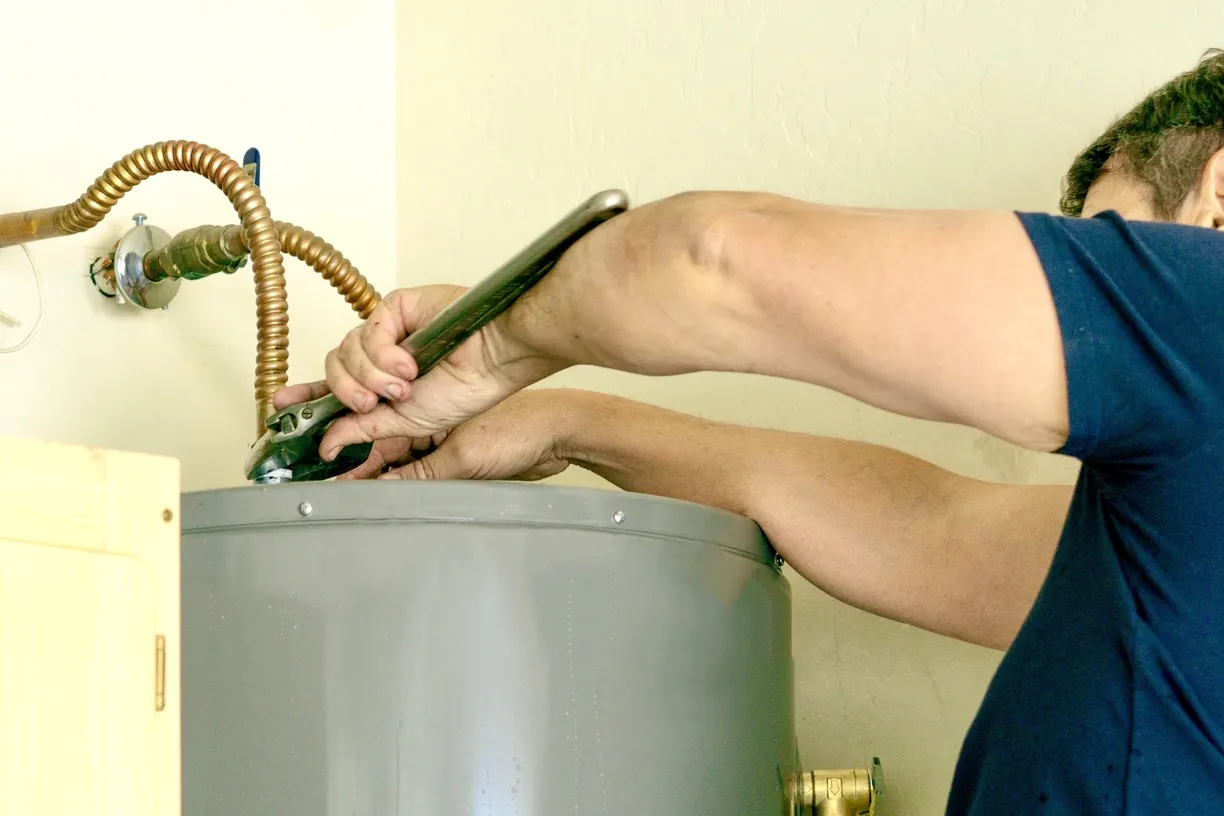
Our installation crew moves the tank into place, makes the water, fuel, venting, and electrical connections, and tests the unit before we consider the job complete. Testing covers how the tank heats and how hot water performs at the fixtures you use most. We do not treat the job as complete until the tank has been checked under normal use.
- Set the tank securely in the location confirmed during planning
- Connect water lines, the fuel supply, venting, and electrical service as the manufacturer specifies
- Set the thermostat to the temperature your household requested
- Check for leaks and confirm the connections are sound before the job is treated as finished
- Run hot water at the fixtures you use most to confirm the tank responds as planned
- Confirm the tank is heating normally before the crew leaves the property
5. Hand Off the Tank and Explain Its Care
The installation is not complete until you understand how the new tank works and where to find its information. This final step makes sure you feel confident using the unit and know who to call with questions.
- Show the controls, the temperature setting, and how to tell that the tank is working normally
- Explain what normal operation sounds like, so unusual changes are easy to notice
- Provide the equipment information and any manufacturer paperwork for your records
- Describe the care steps that keep the tank performing well, and when to contact us about a change
- Answer your questions about the installation before the crew leaves the home
- Confirm how to reach our team with questions after the installation is finished
Financing a New System in Dalton or Chatsworth
A new furnace, heat pump or AC system is a big investment, and the timing isn't always up to you. That's why True Temp Heating & Air works with several financing partners, so you can get the comfort you need now and pay over time. We'll walk you through your options and help you pick the one that fits your budget.
We also help customers take advantage of available rebates. Ask us about programs through the Tennessee Valley Authority (TVA) and Trane — the right equipment choice can make your upgrade go further.
Our Financing Partners
Service Finance offers financing for qualifying home comfort projects, including new heating and cooling systems and water heaters. Our team will help you apply and walk you through the plan options available before any work begins. Approval and terms are subject to credit.
If you're a North Georgia Electric customer, you may qualify for financing through EnergyRight, the Tennessee Valley Authority's energy efficiency program. It's built for upgrades like high-efficiency heat pumps that help lower your energy use. We'll help you check eligibility and choose equipment that qualifies.
Wells Fargo financing lets you pay for a qualifying system over time through a nationally recognized lender. Ask our team how to apply, and we'll help you compare it with your other options. Subject to credit approval. Ask for details.

Rebates Available Through TVA & Trane
A high-efficiency upgrade may qualify for rebates through the Tennessee Valley Authority (TVA) and Trane. Our team will help you find the programs that apply, choose equipment that qualifies and walk you through what's needed to claim them, so your new system goes further.


Questions Homeowners Ask Before a Tank Installation
The right size depends on how many people live in the home, which fixtures use hot water, and how often those fixtures run at the same time. Our team reviews those patterns during the walkthrough and explains how each factor affects the recommendation. We do not choose a size from a guess. You will see the reasoning behind the tank we suggest, so you can compare it with other proposals and decide with confidence.
Some installations require a drain pan, an expansion tank, or other safety accessories, depending on the location and how the plumbing is arranged. Our team checks these requirements during planning, so any needed parts appear in the scope you approve. We explain why each accessory is needed and how it protects the unit and the home. Nothing is added to the project without your review.
Sometimes. Existing water lines, fittings, and fuel connections can often be reused when they are in good condition and match the requirements of the new tank. Our team inspects each connection during the walkthrough and tells you which ones can stay and which need attention. If a connection must be replaced, we explain the reason and the work involved before anything changes.
A new location is possible in many homes, but it depends on the available space, the water and fuel supply, drainage, venting, and the access needed for future service. We review those factors on site and tell you whether a planned spot is workable. If a move requires new lines or other changes, you receive a clear written explanation of the scope before any work begins.
Clear a path to the water heater, move stored items away from the surrounding area, and make sure the crew can reach the location with the new tank. Let us know about any pets or household routines that affect access. Think about your hot water schedule, including showers, laundry, and dishwashing, so you can plan around the work. Our team confirms the full preparation list during planning.
Our team sets the thermostat during the handoff to the level your household asks for, and we explain what that setting does. Temperature choices affect comfort, how much mixing is needed at the fixtures, and safety, including the risk of scalding at showers and tubs. We walk through the setting with you so you can adjust it confidently later, and we can answer follow-up questions after the project is complete.
You receive the equipment information for the new tank and any manufacturer paperwork that comes with the unit. We also review the work we completed, including the connections we made and the items you should keep for your records. Store these documents together in a safe place, because they help any future service provider understand the installation. Ask our team if you need a copy of anything.
Hot water needs can change when a household grows, adds a bathroom, or starts running more appliances. If you notice that the tank no longer keeps up, reach out to our team and describe what has changed. We will review how the installed tank performs and discuss whether an adjustment, a repair, or a different size fits your home. We never assume a change is needed; we confirm it with you first.
Ask who will perform the work, what the installation includes, and how the tank was sized for your home. Ask which connections, accessories, and permits are part of the plan, and how the schedule will affect hot water in your home. A reliable contractor explains each point in writing before the project begins. Our license number is CN208895, so you can confirm our credentials for yourself.
Contact our team through the contact page with any question about the new tank, its controls, or the work we completed. Share the details you noticed, such as when a change first appeared, and our team will review them with you. Keep the equipment information from your handoff nearby, so you can share the model details when you reach out. We would rather hear about a concern early than have you wonder about it.
Have a Question We Didn't Answer? Contact Us!
Submit Question
What Dalton & Chatsworth Customers Say About Our Heating and Cooling Company
Good reviews don't come from advertising — they come from showing up and doing the work right. Here's what our neighbors across North Georgia have to say about True Temp Heating & Air.
Service Communities for Tank Water Heater Installation
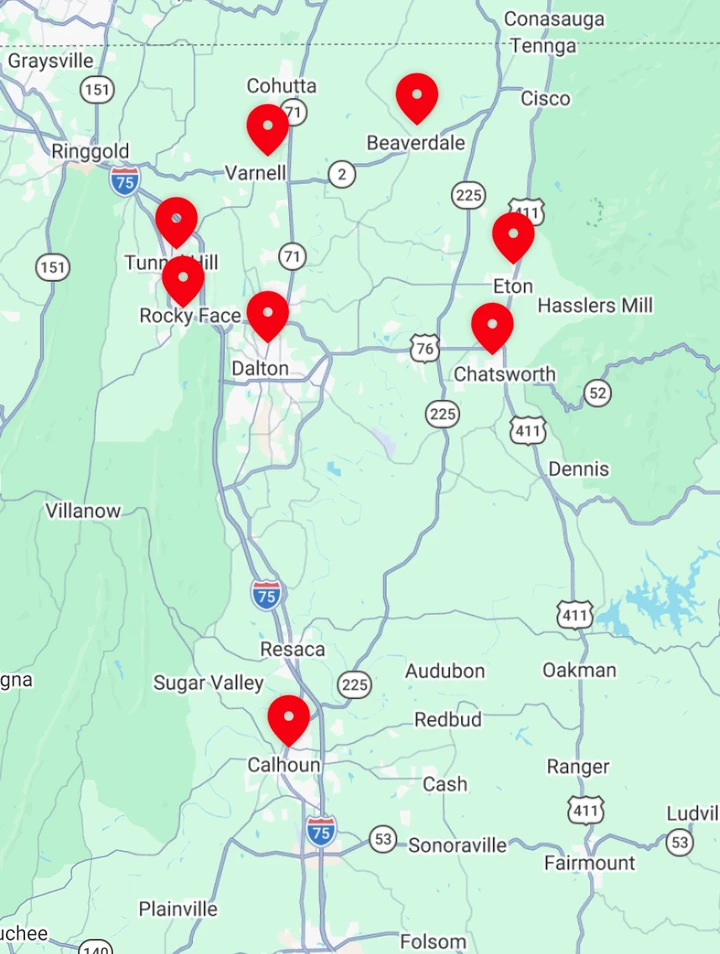
We install tank water heaters in Dalton, Chatsworth, and throughout the communities below. Our service area overview shows our full coverage, and each city page shares local details for homeowners.
-
Dalton, GA — Our Dalton page shares local service details for homeowners in the city. -
Rocky Face, GA — Our Rocky Face page covers service details for households in the community. -
Varnell, GA — Our Varnell page describes the service options available to local homes. -
Beaverdale, GA — Our Beaverdale page outlines how we serve homes in the area. -
Eton, GA — Our Eton page details service for residents of the city. Calhoun, GA — Calhoun is among the communities where we install tank water heaters. Tunnel Hill, GA — Tunnel Hill is among the communities where we install tank water heaters.
Other Comfort Systems Homes Often Plan Alongside Water Heating
Many homeowners who replace a water heater also review heating or cooling equipment. Browse our full services overview to see every category we cover.
Your Heating & Air Company in Dalton & Chatsworth, GA
A tank installation is worth a clear and unhurried conversation. Our team walks through the walkthrough, the sizing review, the connections, and the installation steps, so you can decide with confidence. Bring your questions and any details about your current water heater, and we will help you plan the right next step for your household.
Our team keeps each recommendation clear before anything changes in your home. We also welcome questions about how the installation fits with the other comfort equipment in your home. Tell us what your home needs, and the path forward becomes easier to see.