Outdoor Cabinet Repair
Packaged Unit Repair in Dalton & Chatsworth, GA
When a packaged unit stops cooling, stops heating, or starts running in short bursts, the cause may sit in the outdoor cabinet, the indoor airflow, or the controls that tie them together. At True Temp Heating & Air, we diagnose packaged systems for homes in Dalton, Chatsworth, and across our service area, including Rocky Face, Varnell, Beaverdale, and Eton. We test each part before we recommend a repair, then explain the findings and the options in plain language. Trane is our primary brand, and we work on all makes, so the cabinet you already own can be evaluated by our team.
Tell Us What You Noticed
Tell Us What Your Packaged Unit Is Doing
Describe the symptoms you have seen, when they began, and whether the cabinet cycles on and off or runs without stopping. Our team will use those details to plan a focused visit. If the cabinet needs a new system instead, we will say so and walk through the options. You can also compare our packaged unit installation and packaged unit maintenance pages, or browse the packaged units overview.

Measured Findings Before Any Part Is Replaced
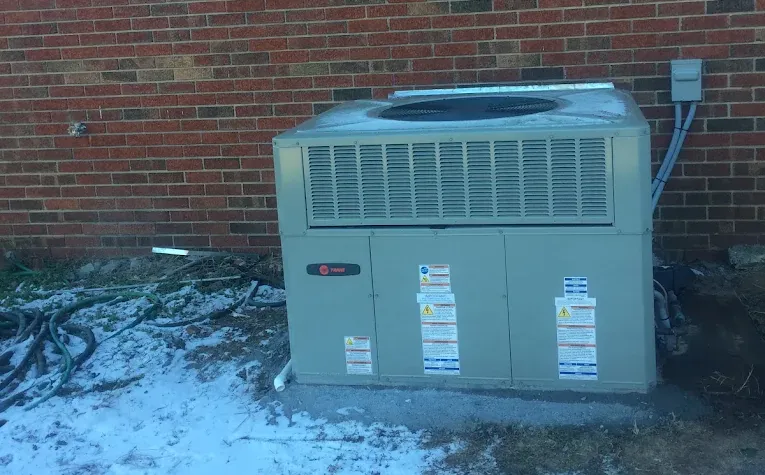
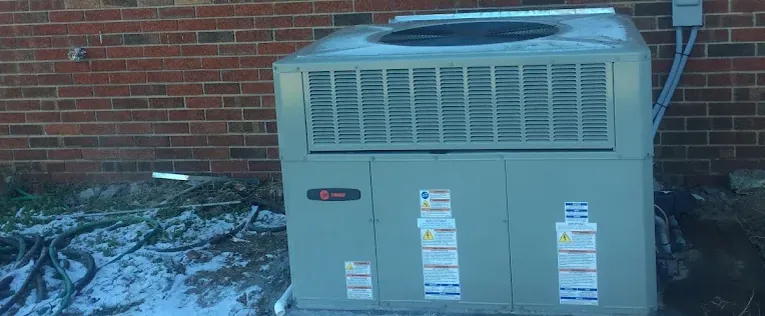
A packaged cabinet holds heating and cooling parts in one place, so a fault in one component can look like a problem somewhere else. You can read our company background or meet the team before you call, and we will explain each finding in plain terms.
Signs a Packaged Cabinet Needs Attention
When the blower runs but the air stays warm, the outdoor section may not be moving heat as it should. A failed capacitor, a stuck contactor, or a refrigerant problem can all produce this pattern. Note whether the outdoor fan is turning and whether the air at the supply registers feels cool compared with the return.
A heating cycle that runs but leaves rooms cool can point to a burner, airflow, or control problem on cabinets with gas heat. On heat pump packaged systems, a reversing valve or defrost fault can cause the same complaint. Uneven temperatures from room to room can also suggest duct restrictions, so our team checks the heating section and the airflow together.
A cabinet that switches off after a few minutes and then restarts may have a safety switch, a control, or an airflow problem. A cabinet that never shuts off may be undersized for the load, or a component may be stuck. Both patterns wear parts and keep the home from settling at the temperature you set, so they deserve a closer look.
Frost on the copper lines or the indoor coil often signals low airflow, a refrigerant charge problem, or a restricted filter. Shut the system off at the thermostat and call us before restarting it, since the frost will return if the cause is not corrected. Do not chip at the ice with tools, because that can damage the coil.
Water near the cabinet or pad usually means a condensate drain that is clogged, disconnected, or not sloped correctly. Standing water can damage the pad, the electrical connections, and the base of the cabinet. Note where the water appears and whether it shows up during cooling, since that timing helps narrow the cause.
A burnt odor, a buzzing contactor, or discolored wiring signals an electrical fault that needs a technician's attention. Turn the system off at the thermostat, and if you can do so safely, switch off the outdoor disconnect as well. Then call our team so the connections and components can be tested.
The Diagnostic Path Our Crew Follows on a Packaged Cabinet
Every packaged repair follows a sequence that moves from the reported symptom to a measured cause. The steps below show how a typical visit unfolds, from the first conversation through the test results we leave with you.
1. Begin With the Symptoms and the Cabinet's History
We begin by listening to the symptoms and reviewing what the cabinet has been doing. The history often narrows the search before we open a panel.
- Ask when the problem started and whether it appears in heating, cooling, or both
- Review past repairs, filter changes, and any recent storms or outages that may have affected the system
- Check the thermostat settings and how the system responds in each mode
- Note the age of the cabinet, the nameplate details, and its general condition
- Look at the outdoor pad, the clearances, and any debris blocking airflow
- Confirm which rooms feel uneven or uncomfortable so the readings can be matched to them
2. Test the Electrical Controls and Safety Devices
Electrical faults cause many packaged repairs, and they can be confirmed with the right tests. We check the components that start and stop each function before we look at anything larger.
- Inspect the contactors and relays for pitting, burning, or sticking contacts
- Test capacitors for correct values and look for swelling or leaking
- Verify voltage at the disconnect and at the cabinet's control inputs
- Check safety switches, pressure controls, and any drain switch the cabinet uses
- Confirm the thermostat signal reaches the cabinet's control board
- Review wiring connections for heat damage and loose terminals
3. Measure Airflow, Refrigerant Pressures, and Temperature Split
Once the controls check out, we measure how the system is actually moving heat and air. These readings show whether the problem lies in the cabinet, the ductwork, or the load on the home.
- Measure the temperature difference between the return air and the supply air
- Check refrigerant pressures and compare them with the manufacturer's specifications
- Inspect the indoor and outdoor coils for dirt, damage, or restriction
- Check blower speed, filter condition, and static pressure at the air handler
- Look for refrigerant leaks using proper detection methods
- Review the condensate drain and pan for blockage or standing water
4. Confirm the Root Cause and Explain the Options
A single symptom can have more than one cause, so we confirm the root cause before recommending a repair. You will see the readings and hear the reasoning in plain language.
- Explain which component failed and what evidence supports that conclusion
- Separate the failed part from any secondary damage it may have caused
- Outline the repair options, including the parts involved and what each one addresses
- Compare a targeted repair with a larger replacement when the cabinet's age and condition make that comparison relevant
- Note any other concerns we found, without pressure to address them on the same visit
- Provide a written summary you can review before anything is ordered
5. Finish the Repair, Test the Results, and Document Everything
The repair is not complete until the cabinet runs as designed in both heating and cooling. This final step focuses on test data and written records.
- Replace the approved parts and reconnect every wire, hose, and control
- Run the system through heating and cooling cycles and record the readings
- Confirm airflow, temperature split, and refrigerant pressures after the repair
- Clear the condensate drain and confirm the pad and clearances are sound
- Explain what to watch for during the days that follow the repair
- Provide the repair summary, the parts replaced, and the test results for your records
Cabinet Repairs We Handle Most Often
Packaged cabinets share a short list of repairs that come up season after season.
Capacitor and Fan Motor Replacement
Weak starts and fans that hum without turning often trace back to a worn capacitor or motor. We test both parts and replace only what the readings support.
Contactor and Relay Repair
Pitted contacts and relays that fail to close can stop the outdoor fan or compressor. We confirm the fault and replace the component with a correct match.
Refrigerant Leak Diagnosis and Repair
We locate leaks with proper detection methods, repair the source, and recover refrigerant under federal rules. Low cooling output is often the first sign.
Reversing Valve and Defrost Control Service
Where a packaged system runs as a heat pump, a reversing valve or defrost control that does not switch correctly can leave the home without proper heat. We test the valve and controls before recommending a part.
Blower Motor and Airflow Repairs
Weak airflow, uneven rooms, and blower motors that run hot can point to motor or airflow faults in the cabinet. We test the motor, the blower wheel, and the filter path.
Condensate Drain Clearing and Pan Repair
A clogged drain line or cracked drain pan can leak water onto the pad and the cabinet base. We clear the line, test the drain switch, and repair the pan where needed.
Thermostat and Low-Voltage Wiring Repair
A thermostat that does not respond or a control wire worn through can stop the cabinet from starting. We test the signal path and repair the wiring so the system responds as intended.
HVAC Maintenance Plans for Dalton & Chatsworth Homes and Businesses
Regular maintenance is the simplest way to keep your system efficient and avoid surprise breakdowns. Our maintenance plans put your equipment on a regular tune-up schedule so small issues get caught early — before they turn into a no-heat or no-cool call.
Residential Maintenance Plan
Keep your home's heating and cooling running at its best year after year. Our residential plan covers routine tune-ups for your AC, heat pump, furnace, mini-split or packaged unit.
Commercial Maintenance Plan
Downtime costs your business. Our commercial plan keeps rooftop units, boilers and chillers on a regular service schedule so your building stays comfortable and your equipment lasts.
What Dalton & Chatsworth Customers Say About Our Heating and Cooling Company
Good reviews don't come from advertising — they come from showing up and doing the work right. Here's what our neighbors across North Georgia have to say about True Temp Heating & Air.
Packaged Unit Repair Questions Homeowners Ask
The answer depends on the cabinet's age, its condition, the cost of the repair, and how often it has needed service recently. We test the system, explain which components are failing, and compare a targeted repair with a larger replacement. We aim to give you a clear picture so you can decide with confidence.
A cabinet that runs without cooling often has a refrigerant, airflow, or electrical fault. Common causes include a failed capacitor, a stuck contactor, low refrigerant from a leak, or a dirty coil that cannot release heat. Our team measures the temperature split and refrigerant pressures to find which cause applies before we recommend a repair.
Repeated breaker trips usually mean an electrical load is drawing more current than it should. Shorted wiring, a failing motor, a weak capacitor, or a damaged contactor can each trigger this pattern. Avoid resetting the breaker again and again, since that can damage components. We test the circuit, the motors, and the controls before recommending a repair.
Yes. We locate leaks with proper detection methods, repair the source where it can be fixed, and recover refrigerant following federal rules. Adding refrigerant without sealing the leak only postpones the problem, so we confirm the leak is repaired before we recharge the system to the manufacturer's specifications. We explain each option before any work begins.
Water around the cabinet most often comes from a clogged or disconnected condensate drain, a cracked drain pan, or meltwater from a frozen coil. Each cause leaves a different pattern, so we check the drain line, the pan, and the coil before deciding on a repair. We explain the findings before any work begins.
Yes. We diagnose cabinets regardless of who installed them, and Trane is our primary brand while we work on all makes. We check the installation details that affect performance, such as the ductwork connections and the electrical supply, and we explain anything that looks out of place. If the cause traces back to the original installation, we will tell you plainly.
Write down the symptoms, when they began, and any recent storms, outages, or work done on the system. Check the thermostat settings and the air filter, and confirm the outdoor disconnect is accessible. Keep the area around the cabinet clear, and avoid opening panels or removing covers. Those notes help our team plan a focused visit and reach an accurate diagnosis.
Yes, we offer 24/7 emergency service for packaged units. When you call, describe the symptoms, what the thermostat is showing, and any safety concerns such as a burnt smell or water near the electrical equipment. Our team will explain the next steps and plan the right visit for your situation.
You receive a summary of the symptoms we found, the components we tested, and the repair we performed. The summary also includes the readings we recorded before and after the work, along with any parts replaced. Keep it with your home records, since it helps the next technician understand the cabinet's history. We walk through the summary with you before we leave.
Some larger repairs can be financed. We work with Service Finance, North Georgia Electric, and Wells Fargo, and each lender sets its own terms and approval decisions. Review our financing options to see how these programs work, and ask our team which one may suit your repair. We explain the program details plainly before you commit to any work.
Have a Question We Didn't Answer? Contact Us!
Submit Question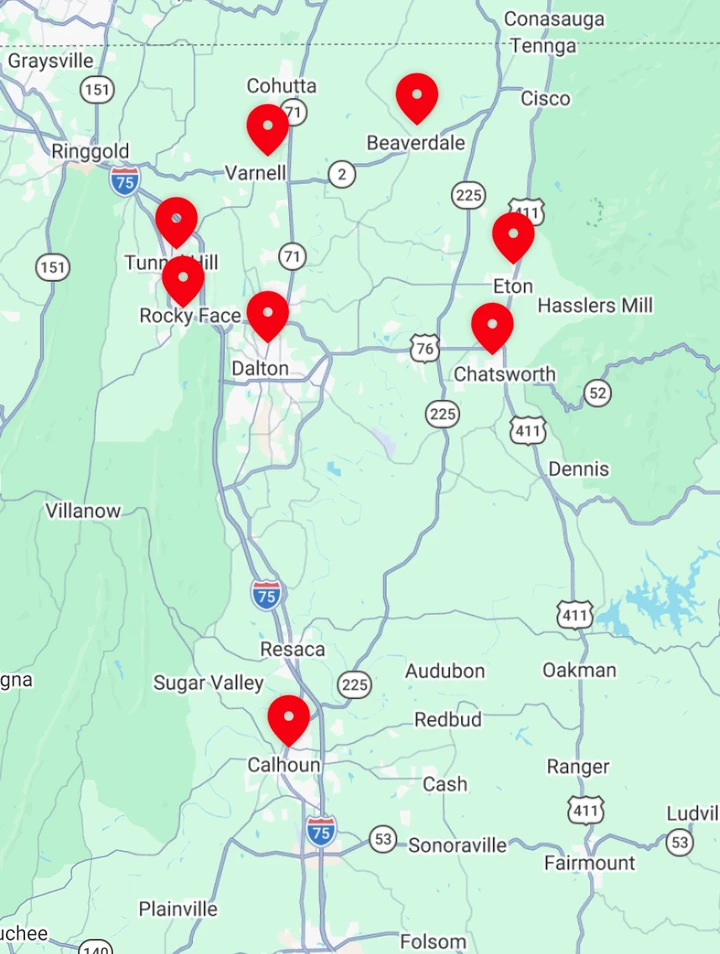
Packaged Unit Repair Across Our Service Area
We diagnose packaged cabinets in Dalton, Chatsworth, and the communities below. Our service area overview describes our full coverage, and each city page linked below adds local detail. Our crews serve every community from our Chatsworth home base.
-
Dalton, GA — Dalton homeowners can review how we plan packaged repair visits on the city page. -
Rocky Face, GA — Rocky Face readers will find our packaged repair process laid out on the local page. -
Varnell, GA — The Varnell page explains how packaged units are diagnosed and repaired for area homes. -
Beaverdale, GA — Beaverdale residents can see our packaged system repair work on the local page. -
Eton, GA — The Eton page covers packaged repair visits for homes in the city. Calhoun, GA — Calhoun is among the communities we serve for packaged unit repair. Tunnel Hill, GA — Tunnel Hill is among the communities we serve for packaged unit repair.
Other Equipment We Repair Across Our Lines
A packaged cabinet shares ductwork and airflow with other comfort equipment, so one system's problem can mimic another's. Browse our services overview for the full list.
Reach Our Dalton & Chatsworth HVAC Company for Packaged Repairs
A packaged cabinet repair works best when the symptoms, the readings, and the options are explained before any part is replaced. Our team will listen to what you have noticed, test the components that could explain it, and walk you through the findings in plain language. Our showroom and fabrication shop sit on the same site in Chatsworth, and our About Us page tells the company's story.
Tell us about the symptoms, the age of the cabinet, and any work done on it, and we will help you decide on the next step. Whether the answer is a targeted repair, a maintenance visit, or a conversation about a new system, you will leave with clear information and no pressure.