When Heat Or Cooling Falters
Heat Pump Repair in Dalton & Chatsworth, GA
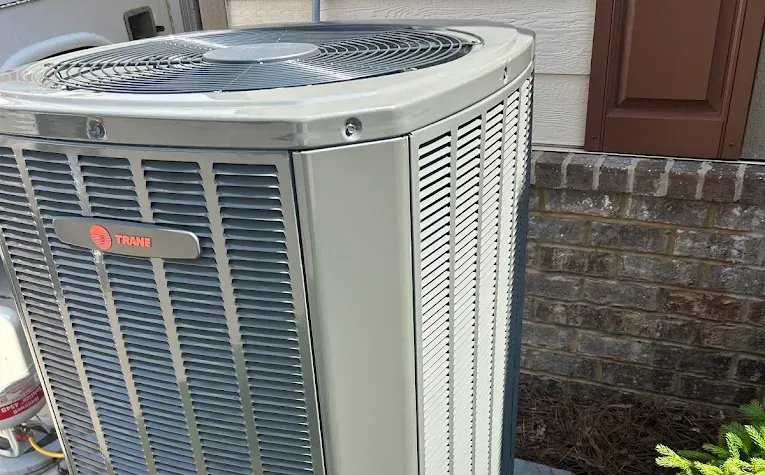
A heat pump has to work in two directions, so a problem can show up as weak heat in winter, poor cooling in summer, or a unit that runs without reaching the setpoint. At True Temp Heating & Air, we diagnose ducted heat pumps at homes in Dalton, Chatsworth, and across our service area, including Rocky Face, Varnell, Beaverdale, and Eton. We test both modes, explain what we find, and outline the repair options in plain language before any work begins. We work on all makes, and Trane is our primary brand.
Describe The Problem
Describe What Your Heat Pump Is Doing at Home
Send us the details about what you have noticed, which mode is affected, and when the problem began. Note whether the system has been repaired before and whether you rely on heat or cooling more often. These details help us prepare a useful first conversation about the fault. If the system is near the point where replacing it may make more sense, we will explain that openly, and you can compare our heat pump installation options. For ongoing care that catches small faults early, review our heat pump maintenance visits, or browse the full heat pump overview.

Two-Way Diagnosis for Dalton & Chatsworth Heat Pumps
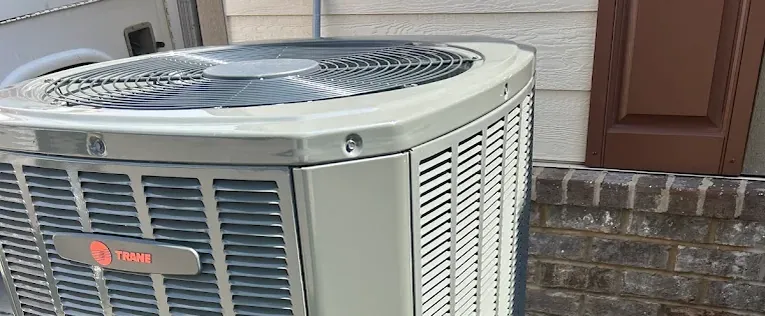
A heat pump repair is only as good as the testing that comes before it. Because the same components serve both heating and cooling, we check each mode before we settle on a cause. You can read our company background or meet the team that will visit your home, and when you are ready, reach our team to describe the symptoms.
Heat Pump Symptoms Worth a Call
Heat pumps usually give some signal before they stop working well. The symptoms below often point toward a specific fault, and describing them accurately helps us narrow the diagnosis before we arrive.
When the air from the vents feels lukewarm during heating mode, the system may not be moving heat into the home as it should. Causes include a low refrigerant charge, a faulty defrost control, or an outdoor fan that is not moving enough air across the coil. Note whether the weak heat appears every cold morning or only during a hard freeze.
Some frost during winter operation is part of normal defrost behavior. Ice that keeps building up, covers the coil, or returns soon after the system clears it can point to a defrost sensor, a control board, or a reversing valve fault. Do not chip at the ice with tools, and report how long the buildup lasts.
Auxiliary heat is designed to help during cold spells, but a system that leans on it for long stretches may be struggling to make heat on its own. Check whether the emergency heat setting was turned on by mistake, and then note how often the backup heat runs. A pattern like this deserves a diagnosis, because it often traces back to the heat pump's own components.
When the system runs in the wrong direction, the reversing valve or its controls may not be switching refrigerant flow correctly. Homeowners often notice that the air feels off compared with what the thermostat shows. Test the mode switch at the thermostat, write down which mode is affected, and mention whether the problem appears only after the system has run for a while.
Hissing or bubbling sounds near the refrigerant lines, or oily residue on fittings and the coil, can signal a refrigerant leak. A leak reduces the system's ability to move heat in either direction, so the source should be found rather than covered up. Keep a note of where you see residue and whether the symptoms match the mode you use most.
A heat pump that struggles to move heat often runs longer to reach the same comfort level, and that can show up on the electric bill. A rising bill with no change in how the household uses the thermostat is worth investigating. Note the billing period when the change began and any recent weather shifts, because those details help separate a fault from a seasonal swing.
How a Heat Pump Repair Unfolds, From First Call to Final Test
Each heat pump repair follows a planned sequence, because the outdoor unit, the indoor air handler, the controls, and the refrigerant circuit all affect one another. Every stage narrows the cause, so the repair targets the real fault rather than only the symptom you noticed.
1. Confirm Which Mode Is Failing
We start by establishing exactly how the system behaves, since a heating fault and a cooling fault can point to different components. Clear details here save time once we are at the home.
- Ask whether the problem appears in heating mode, cooling mode, or both
- Note the outdoor temperatures and the time of day when the symptom shows up
- Review how the system switches between modes at the thermostat
- Check whether the backup heat has been running more often than usual
- Look for recent changes, such as storms, power interruptions, or work on the outdoor unit
- Agree on what the visit must answer before we open any panels
2. Check the Defrost Controls and Reversing Valve
These controls decide when the outdoor coil clears frost and which way refrigerant flows. We test them while the system runs through the cycles it uses in each mode, so we see how they respond rather than guessing from the outside.
- Watch the defrost cycle start and end, and note how long it runs
- Test the defrost sensor and control board for correct signals
- Check the reversing valve's operation when the system changes between modes
- Confirm the outdoor fan stops and starts as the defrost sequence requires
- Compare outdoor coil temperatures with the readings the system should show
- Record the results so we can compare them with the retest later
3. Test the Outdoor Fan, Compressor Circuit, and Electrical Parts
Outdoor components often fail under load, so we check them while the unit is working. We look for wear, heat damage, and signs of electrical stress before deciding what needs to be replaced.
- Check the outdoor fan motor and blade for binding, damage, or unusual noise
- Inspect the capacitor and contactor for swelling, scorching, or loose terminals
- Measure electrical draw and compare it with the nameplate specifications
- Look at the compressor's start behavior and any repeated trips at the disconnect
- Confirm the outdoor unit is level, clear of debris, and set up for good airflow
- Note any component that tests correctly so we do not replace parts that are working
4. Check Refrigerant Charge and Look for Leaks
A heat pump needs the correct refrigerant charge to move heat well in both directions. Refrigerant does not deplete in a sealed system, so a low charge usually points to a leak that has to be found and repaired.
- Read the refrigerant pressures in heating and in cooling operation
- Inspect fittings, joints, and the line set for oil traces and residue
- Check the indoor coil and its connections for any sign of leakage
- Use leak-detection tools where a visual check does not locate the source
- Explain the readings and the leak location before any repair begins
- Confirm the repair plan in writing so you have the same details we discussed
5. Complete the Repair, Retest Both Modes, and Document the Results
The repair is not finished until the heat pump runs correctly in heating and in cooling. We retest the work and leave you with a written record of the readings and the parts that were changed.
- Complete the agreed repair and confirm the parts installed match what we discussed
- Run the system in heating mode and in cooling mode, recording temperatures and pressures
- Confirm the defrost cycle, reversing valve, and thermostat respond as expected
- Give you a written summary of the findings, the work performed, and the test readings
- Review whether any current specials apply to the work you chose
- Discuss whether our maintenance plan fits the system after the repair
Heat Pump Faults We Diagnose Most Often
Each card describes a fault we see often on heat pump systems and what a repair typically involves.
Defrost Board and Sensor Faults
A failing defrost board or sensor can leave frost on the coil or run defrost at the wrong times. We test the controls against the system's operating sequence and replace only the part that fails.
Reversing Valve Diagnosis
A reversing valve that sticks or fails to shift can send the system the wrong way. We test the valve's operation in each mode before recommending a repair.
Outdoor Fan Motor Replacement
A weak or failing outdoor fan can reduce heat transfer and let the coil ice over. We check the motor, capacitor, and wiring, then replace the motor when testing confirms the fault.
Backup Heat Control Checks
Backup heat that runs too often can point to a thermostat setting, a sensor, or a heat pump fault that needs correction. We check the control sequence and the backup heat components before we recommend any change.
Line Set and Coil Leak Repair
Refrigerant leaks in the line set or coil reduce capacity in both modes. We locate the leak, repair it, and recharge the system to the correct level.
Capacitor and Contactor Service
Worn capacitors and contactors can keep the compressor or fan from starting, or cause intermittent operation. We test each component and replace it when wear is confirmed.
Thermostat Signal and Wiring Checks
A heat pump thermostat has more wiring and settings than a basic system, so a fault can look like an equipment problem. We test the signals and wiring before replacing any control.
Indoor Blower and Airflow Repair
Dirty coils, blocked returns, and a failing blower motor starve the system of air in both modes. We check the airflow path and the blower, then repair the restriction or component.
HVAC Maintenance Plans for Dalton & Chatsworth Homes and Businesses
Regular maintenance is the simplest way to keep your system efficient and avoid surprise breakdowns. Our maintenance plans put your equipment on a regular tune-up schedule so small issues get caught early — before they turn into a no-heat or no-cool call.
Residential Maintenance Plan
Keep your home's heating and cooling running at its best year after year. Our residential plan covers routine tune-ups for your AC, heat pump, furnace, mini-split or packaged unit.
Commercial Maintenance Plan
Downtime costs your business. Our commercial plan keeps rooftop units, boilers and chillers on a regular service schedule so your building stays comfortable and your equipment lasts.
What Dalton & Chatsworth Customers Say About Our Heating and Cooling Company
Good reviews don't come from advertising — they come from showing up and doing the work right. Here's what our neighbors across North Georgia have to say about True Temp Heating & Air.
Heat Pump Repair Questions Answered
A heat pump that blows cool air in heating mode may have a reversing valve or control problem, a low refrigerant charge, or a defrost fault. We test the system in both modes and check the valve, sensors, and refrigerant circuit before deciding on a repair. Sometimes the thermostat is simply set to the wrong mode, so we confirm those settings too. Once we know the cause, we explain the repair in plain terms.
Some frost is part of normal operation, because the system periodically clears frost from the outdoor coil. Heavy ice that keeps building up, or ice that returns soon after a defrost cycle, usually points to a defrost sensor, control board, reversing valve, or restricted airflow. Do not chip at the ice, since that can damage the coil. Describe how long the ice lasts when you call.
Backup heat supports the heat pump during cold weather, but frequent use can mean the system is struggling to make enough heat on its own. Common causes include a defrost problem, a low refrigerant charge, or a thermostat setting that calls for backup heat too early. We review the thermostat settings and test the heat pump's components. Then we explain which fault is behind the extra backup heat use.
An outdoor fan that stops while the compressor keeps running can overheat the system and damage components, so turn the system off at the thermostat and call us. Common causes include a failing fan motor, a worn capacitor, a loose wire, or a control fault. We check the motor, capacitor, and wiring before replacing anything. Once the cause is confirmed, we explain the repair and the parts involved.
Yes. True Temp Heating & Air offers 24/7 emergency service for heat pump problems. When you call, describe what the system is doing, including any noises, tripped breakers, or changes between heating and cooling. That description helps us plan the visit around the symptoms you are seeing. Our technicians confirm the cause on site before recommending any repair.
Yes. Trane is our primary brand, and we work on all makes, so a heat pump installed by another company can be evaluated and repaired by our team. We review the make, age, and service history, then test both heating and cooling operation. If the unit is not a practical repair, we will say so and describe what replacing it would involve.
The answer depends on the fault, the age of the equipment, and how the system performs after testing. A single failed control or fan motor is often a reasonable repair, while a fault pointing to several major components may favor replacement. Our financing options can help plan either path, and our heat pump installation team can walk you through replacement choices.
On cold days a heat pump may run for long periods to keep up with heat loss from the home. That is not always a fault, but running nonstop while the house still feels cold can point to a low refrigerant charge, a dirty outdoor coil, restricted airflow, or a defrost problem. We check airflow and the thermostat settings, and we note insulation and air leaks, since they also affect run time.
Yes. A heat pump repair is not finished until the system has been tested in both modes. After the work, we run heating and cooling operation and record temperatures, pressures, and airflow readings. We also confirm the defrost cycle and reversing valve respond as expected. You receive a written summary of the results, and if you have questions about the readings, contact our team.
Yes, when the ductwork may be contributing to the problem. Leaks, disconnected sections, and dirty or restricted ducts can reduce airflow and make a heat pump seem weaker than it is. We inspect the accessible ducts and explain what we find. If cleaning would help, our duct cleaning service can remove debris that restricts airflow, and you decide which work to include.
Have a Question We Didn't Answer? Contact Us!
Submit Question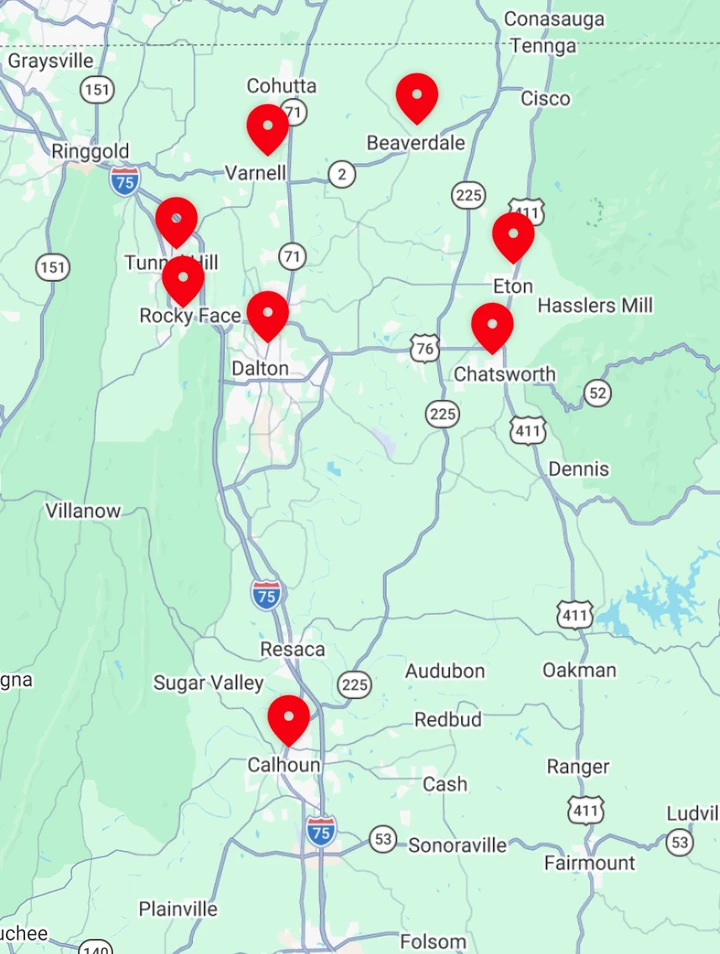
Heat Pump Repair Across Our Service Area
We repair ducted heat pumps at homes in Dalton, Chatsworth, and throughout the communities below. Our service area overview shows our full coverage, and each city with its own page includes local details for homeowners.
-
Dalton, GA — Our Dalton page describes heat pump repair for homes in the city. -
Rocky Face, GA — Our Rocky Face page covers diagnosis for households in the community. -
Varnell, GA — Our Varnell page outlines heat pump repair options for local homes. -
Beaverdale, GA — Our Beaverdale page explains how we approach heat pump faults in the area. -
Eton, GA — Our Eton page details repair service for homeowners in the city. Calhoun, GA — Calhoun is among the communities we serve for heat pump repair. Tunnel Hill, GA — Tunnel Hill is among the communities we serve for heat pump repair.
Keep Your Other Comfort Systems Running
Many homes run more than one comfort system, and the diagnosis approach often overlaps. You can also review our services overview for the full list of what we offer.
Your Heat Pump Repair Company in Dalton & Chatsworth, GA
A heat pump problem is easier to manage when someone explains the cause clearly before any work begins. Our team will walk you through the symptoms, the testing in both modes, and each repair option, so you can decide with confidence. Bring your questions and any details about the system, including its make and recent service history, and we will help you plan the next step.
We serve Dalton and Chatsworth from our on-site showroom and fabrication shop, and we are glad to talk through your options by phone or in person. Tell us what the heat pump is doing, and we will explain what we find in plain terms.