When One Room Stops Feeling Right
Mini-Split Repair in Dalton & Chatsworth, GA
When a ductless system stops heating or cooling one room, the fault usually traces to a single indoor unit, the outdoor compressor, or the lines that connect them. At True Temp Heating & Air, we diagnose mini-split systems for homes in Dalton, Chatsworth, and across our service area, including Rocky Face, Varnell, Beaverdale, and Eton. We test each indoor unit separately, check the outdoor side, and explain what we find before any repair begins. We work on Mitsubishi systems and on all other makes.
Share What Each Unit Is Doing
Describe What Each Indoor Unit Is Doing
Send us the details about the room that is affected, whether its indoor unit runs without heating or cooling, and when the change began. Note whether the outdoor unit is running, which remote or wall control you use, and whether the system has been repaired before. These details help us plan a useful first visit. If the system is near the point where replacement may make more sense, we will say so openly, and you can compare our ductless installation options. For scheduled care that catches small faults early, review our mini-split maintenance visits, or browse the full ductless mini-split overview.

What a Ductless Repair Visit Covers in Dalton & Chatsworth
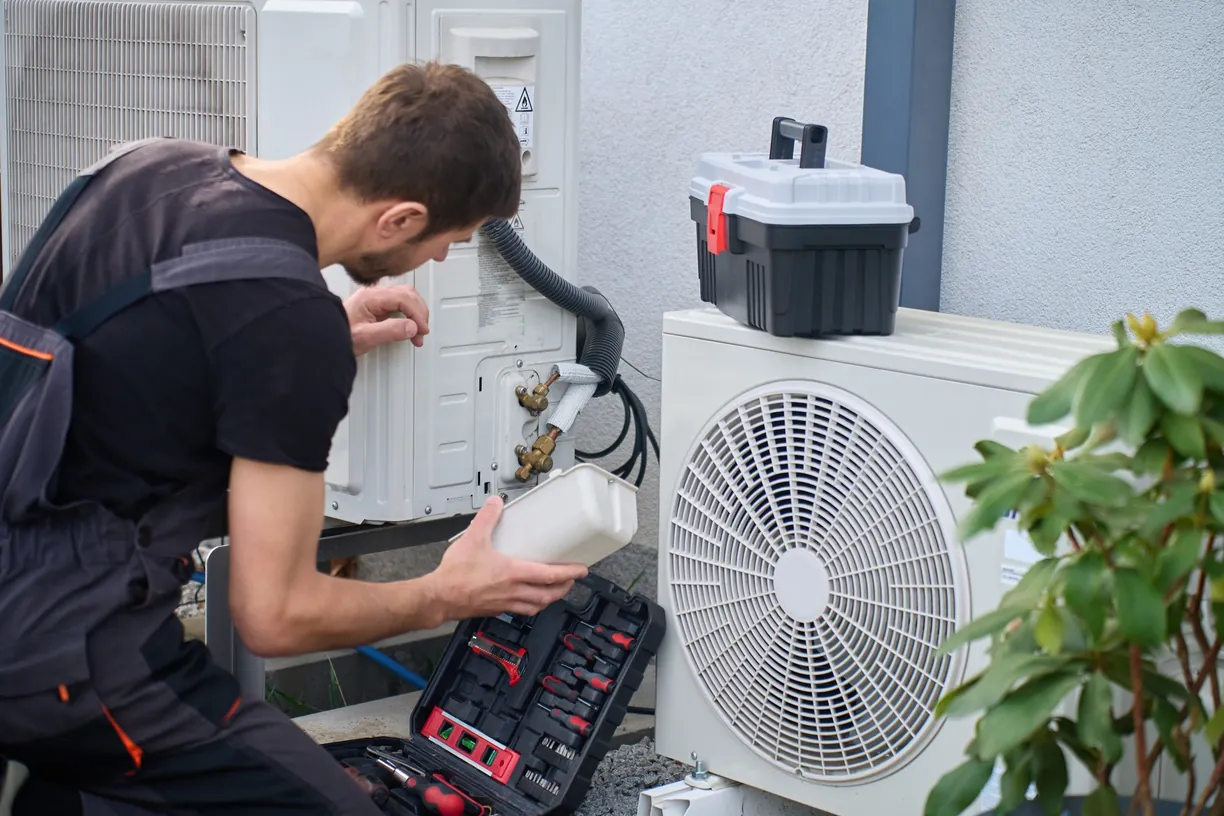
A ductless repair starts with the room that is not comfortable, not only with the outdoor unit. You can read about our company background and meet our team before you call, then review the points below.
Ductless Symptoms That Point to a Specific Fault
Ductless systems usually show a signal before they stop working well. The symptoms below often narrow the cause to one indoor unit or to the shared outdoor side, so describing them accurately helps us plan the first visit.
When an indoor unit set to cooling blows air that feels only slightly cool, the room may be losing capacity before the thermostat notices. Causes include a restricted indoor coil, a fan running too slowly, or a refrigerant charge that has drifted low. Note which room is affected, the setting on the remote, and whether the problem appears from the start of a cycle or only after the system has run for a while.
Water near an indoor unit usually means the condensate drain is blocked, sloped the wrong way, or the drain pan is overflowing. A kinked drain line can send water back into the room or onto the wall beneath the unit. Take a photo of any staining, and avoid running the unit until someone has checked the drain.
A system that switches on and off in short bursts is not reaching the setpoint efficiently. Short cycling can come from a dirty indoor coil, a control or sensor fault, or an outdoor unit that overheats and shuts down to protect itself. Write down how often the unit shuts off and whether the shutdowns follow a pattern, because timing often separates a control fault from a mechanical one.
Sounds from a ductless system point to different parts. A rattle at an indoor unit can mean a loose panel or debris in the fan, while a buzz from the outdoor side often points to a contactor, a capacitor, or a loose mounting. A grinding sound suggests a motor or bearing that needs a diagnosis rather than more run time.
When one room will not respond to its remote, the fault may be the remote, the receiver on the indoor unit, or the control board behind it. Check the batteries and confirm the remote is pointed at the unit with a clear line of sight. If the unit still ignores the remote but responds to its manual controls, the problem is more likely in the wireless path or the control board.
A breaker that trips repeatedly, or a disconnect that feels hot at the outdoor unit, shows that electrical load or a failing component needs a closer look. Turn the affected indoor unit off at its own controls, and do not open the outdoor electrical enclosure. Describe the breaker behavior and any burning smell when you call, because those details guide the first check of the supply and the outdoor components.
From the First Symptom to a Verified Repair
A ductless repair moves from the affected room to the outdoor compressor and back to the room. Our crew follows the same order on every visit, so each finding narrows the cause before the next test begins.
1. Identify the Affected Indoor Unit
We begin with the room and the symptom, because a single indoor unit often points to a local fault. Clear answers at this stage shorten the visit.
- Ask which room is affected and whether the problem is steady or intermittent
- Note the set temperature and the mode the indoor unit is running
- Check whether the other indoor units on the same outdoor compressor perform normally
- Review recent changes, such as storms, power interruptions, or work near the outdoor unit
- Confirm that the remote and the wall control both reach the indoor unit
- Agree on the questions the visit must answer before we open any panels
2. Test Each Indoor Unit Before Touching the Outdoor Side
Each indoor unit is tested on its own before we look at the shared outdoor side. This keeps a local problem from being mistaken for a system failure.
- Check fan speed, airflow, and filter condition at each indoor unit
- Inspect the temperature sensor and its wiring at the affected unit
- Look at the drain pan and drain line for standing water or a blockage
- Confirm the indoor coil is clean and that airflow is not restricted
- Run each indoor unit through cooling and heating, and record how it behaves
- Compare readings across units to separate a single-room fault from a system fault
3. Check the Outdoor Compressor, Fan, and Electrical Supply
Many outdoor faults appear only when the unit is working, so we test it under operation. We look for wear, heat damage, and signs of electrical stress before deciding on a repair.
- Check the outdoor fan motor and blade for binding, damage, or unusual noise
- Inspect the capacitor and contactor for swelling, scorching, or loose terminals
- Measure electrical draw and compare it with the nameplate specifications
- Confirm the disconnect and supply wiring are sound at the outdoor unit
- Confirm the outdoor unit is level, clear of debris, and has room for airflow
- Note each component that tests correctly so we do not replace working parts
4. Inspect Refrigerant Lines, Drain Routing, and Charge
Refrigerant readings, joints, and the drain route show whether the system has a leak or a flow problem. Each reading is explained before a repair is chosen.
- Read refrigerant pressures in cooling operation and in heating operation
- Inspect flare fittings, joints, and the line set for oil traces and residue
- Check the condensate drain route for sags, low spots, or kinks
- Use leak-detection tools where a visual check does not locate the source
- Explain the readings and the likely leak location before any repair begins
- Confirm the repair plan so you have the same details we discussed
5. Repair, Run Every Room, and Review the Findings With You
The repair is complete only after every room runs correctly. We confirm the results and leave you with a clear record of the work.
- Complete the agreed repair and confirm the parts installed match the plan
- Run every indoor unit in cooling and heating, and record the results room by room
- Confirm the remote, wall control, and thermostat signal respond as expected
- Provide a written summary of the findings, the parts replaced, and the test readings
- Review current specials and rebates that may apply to the work you chose
- Discuss whether our maintenance plan fits the system after the repair
Common Ductless Repairs, Explained by Component
Each card describes a fault we see often on ductless systems and what the repair typically involves.
Indoor Fan and Blower Repair
A failing indoor fan motor, a cracked blower wheel, or a worn fan speed control can reduce airflow to one room. We test the motor and its wiring, then replace only the component that testing confirms as faulty.
Remote and Temperature Sensor Replacement
A remote that has lost its pairing, or a sensor that reads the room incorrectly, can make a unit cycle or ignore commands. We test the wireless path and the sensor against known readings before replacing anything.
Condensate Drain Clearing and Repair
A blocked or sagging drain can cause leaks, odors, and float switch shutdowns. We clear the line, correct its slope or routing, and check the drain pan for damage.
Refrigerant Line Set Leak Repair
Leaks at flare fittings or along the line set reduce capacity in both cooling and heating. We locate the leak with pressure readings and detection tools, repair it, and recharge the system to the specified level.
Outdoor Capacitor and Contactor Service
Worn capacitors and contactors can keep the outdoor fan or compressor from starting, or cause intermittent operation. We test each component under load and replace the parts that show wear.
Control Board Diagnosis and Replacement
A control board fault can produce error codes, odd shutdowns, or a unit that responds to the remote but not to its mode setting. We read the error signals and test the board's inputs and outputs before recommending a replacement.
Electrical Supply and Disconnect Repair
A loose connection, a worn disconnect, or a supply problem can cause repeated trips or a unit that will not start. We inspect the wiring, the disconnect, and the breaker at the outdoor unit before any component is replaced.
Indoor Coil Cleaning and Airflow Repair
A dirty indoor coil or a restricted airflow path can cause icing, weak output, and short cycling in one room. We clean and inspect the coil, check the airflow path, and repair the restriction we find. For filtration options, see our indoor air quality services.
HVAC Maintenance Plans for Dalton & Chatsworth Homes and Businesses
Regular maintenance is the simplest way to keep your system efficient and avoid surprise breakdowns. Our maintenance plans put your equipment on a regular tune-up schedule so small issues get caught early — before they turn into a no-heat or no-cool call.
Residential Maintenance Plan
Keep your home's heating and cooling running at its best year after year. Our residential plan covers routine tune-ups for your AC, heat pump, furnace, mini-split or packaged unit.
Commercial Maintenance Plan
Downtime costs your business. Our commercial plan keeps rooftop units, boilers and chillers on a regular service schedule so your building stays comfortable and your equipment lasts.
What Dalton & Chatsworth Customers Say About Our Heating and Cooling Company
Good reviews don't come from advertising — they come from showing up and doing the work right. Here's what our neighbors across North Georgia have to say about True Temp Heating & Air.
Common Mini-Split Repair Questions
Comparing rooms narrows the fault. When one indoor unit underperforms while the others on the same outdoor compressor run normally, the cause is usually local, such as a fan, sensor, drain, or control at that unit. When every room is affected, the outdoor compressor, refrigerant circuit, or electrical supply is more likely involved. We test each indoor unit and then the outdoor side, so the answer rests on readings.
An indoor coil that freezes in cooling mode usually points to restricted airflow or a refrigerant problem. A blocked filter, a dirty indoor coil, or a failing indoor fan can starve the coil of air, and low refrigerant can let its temperature drop too far. A faulty sensor can also trigger the wrong response. We test the airflow path, check refrigerant pressures in cooling operation, and repair the component that is actually failing.
Repeated shutdowns can come from an overheated outdoor unit, a failing capacitor or contactor, a control board fault, or a tripped electrical protection device. Some shutdowns are a protective response to a real problem, so the system should not simply be forced back on. We review the error signals, check the outdoor electrical components, and test the controls before recommending a repair.
In most cases, yes. When the fault sits in one indoor unit, such as its fan, sensor, or drain, the repair is limited to that unit, and the other rooms are usually unaffected by the work itself. Some faults involve the shared outdoor compressor or refrigerant circuit, which serves every connected room. We tell you which category your problem falls into before any work begins.
Each sound points to a different place. A rattle at an indoor unit often means a loose panel, a fan blade touching something, or debris, while a buzz from the outdoor unit can come from a contactor, a capacitor, or a loose mounting. Grinding usually signals a failing motor bearing, which needs a diagnosis rather than more run time. Describe where the noise comes from and whether it changes between heating and cooling.
Start by replacing the remote batteries and confirming the remote is pointed at the indoor unit with a clear line of sight. If the unit still ignores the remote, the remote, the receiver, or the control board may be at fault. We check whether the indoor unit responds to its own wall or manual controls, which separates a remote problem from a unit problem. You can also contact our team with the model details.
Useful details include the brand and model printed on the indoor and outdoor nameplates, the room affected, the symptoms you noticed, and any recent repairs. If you have installation paperwork or service records, keep them handy. A short note on when the problem happens, such as during startup or after the system has run for a while, also helps. These details let our team focus the diagnosis from the start.
In a sealed system, refrigerant does not normally run down over time, so a low charge usually means a leak exists somewhere in the line set, the flare fittings, or the coils. Adding refrigerant without locating the leak only hides the problem. We measure pressures, inspect the joints and lines, and use leak-detection tools where needed. Once the leak is found, we repair it and recharge the system to the specified level.
Yes. True Temp Heating & Air offers 24/7 emergency service, including for mini-split systems. When you call, describe the room, the symptoms, and any tripped breakers or unusual sounds, so our team can plan the visit around what the system is doing. If the system appears unsafe to run, we will tell you what to switch off before our visit.
The answer depends on the fault, the age of the equipment, and what the testing shows. A single failed fan, sensor, or control is often a reasonable repair. A fault that points to several major components, or a system that keeps needing repairs in the same area, may make replacement the better choice. We lay out both paths in plain terms, and our financing options can help you plan either one.
Have a Question We Didn't Answer? Contact Us!
Submit Question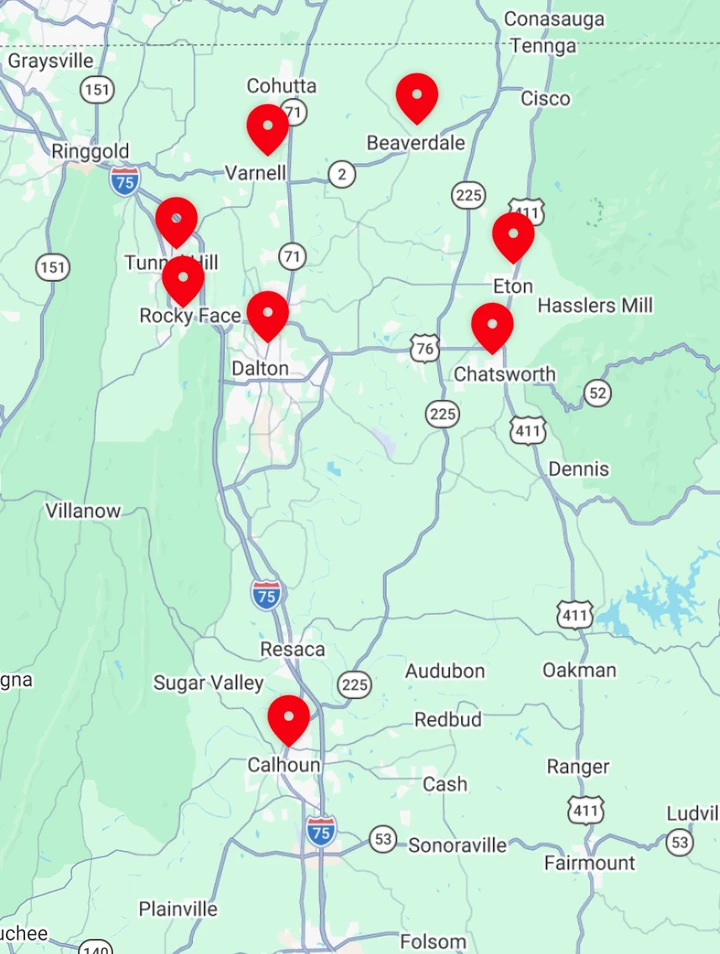
Mini-Split Repair Across Our Service Area
We repair ductless systems at homes in Dalton, Chatsworth, and throughout the communities below. Our service area overview shows our full coverage, and each city page covers local details for homeowners.
-
Dalton, GA — Our Dalton page explains how we diagnose ductless faults for homes in the city. -
Rocky Face, GA — Our Rocky Face page covers mini-split repair options for the community. -
Varnell, GA — Our Varnell page describes how we approach ductless repairs for local households. -
Beaverdale, GA — Our Beaverdale page outlines repair visits for ductless systems in the area. -
Eton, GA — Our Eton page details repair service for homeowners in the city. Calhoun, GA — Calhoun is among the communities we serve for ductless repair. Tunnel Hill, GA — Tunnel Hill is among the communities we serve for ductless repair.
Other Comfort Systems We Repair
Many homes run more than one comfort system, and the diagnosis often overlaps. Our services overview lists everything we offer, and these related repairs may also apply to your home.
Your Mini-Split Repair Contractor in Dalton & Chatsworth, GA
A ductless system is easiest to repair when the affected room, the symptoms, and the outdoor side are all examined before any part is replaced. Our team tests each indoor unit, checks the outdoor compressor, and walks through the findings with you, so you can choose a repair with confidence.
Tell us which room is not comfortable and what the system is doing. We serve Dalton and Chatsworth from our on-site showroom and fabrication shop, and we are glad to talk through your options by phone or in person.