Commercial HVAC Service
Commercial HVAC: Rooftop Units, Boilers, and Chillers in Dalton & Chatsworth, GA
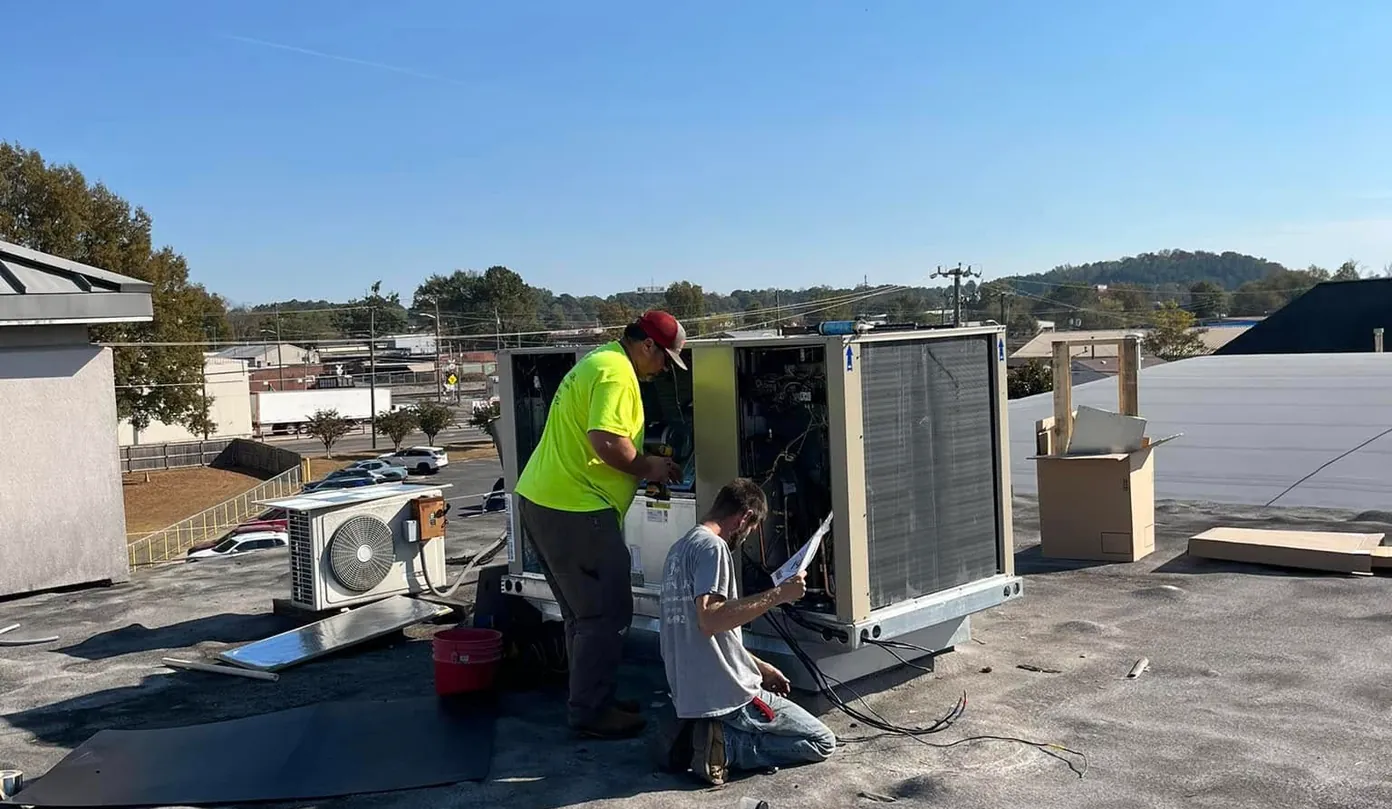
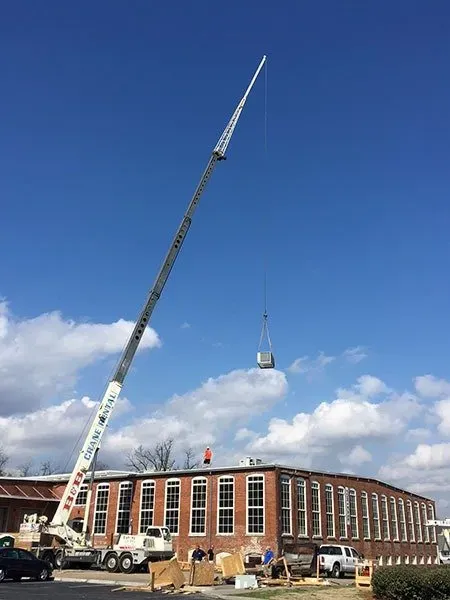
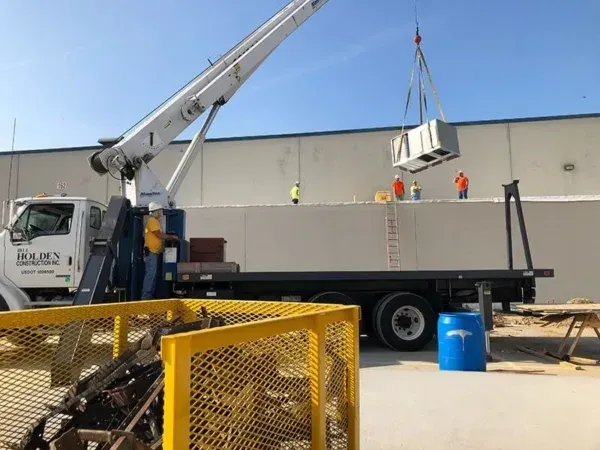
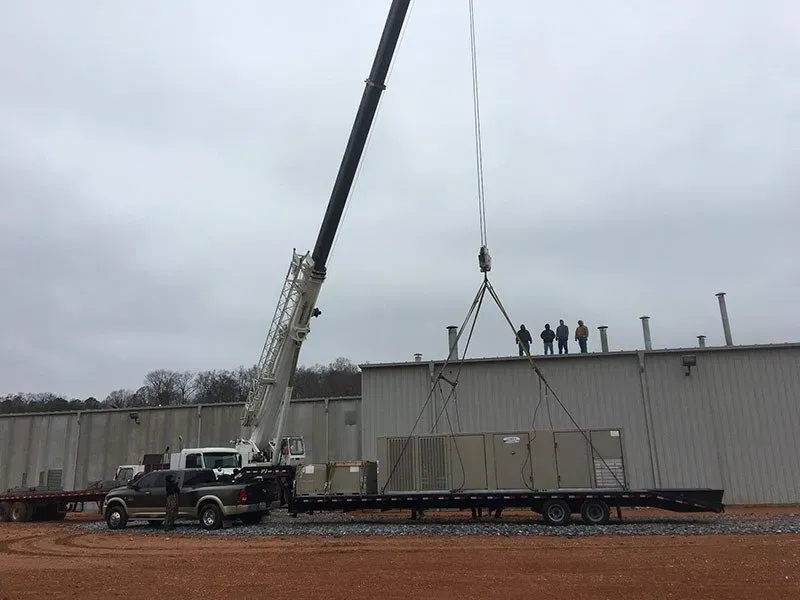
Commercial rooftop units, boilers, and chillers carry a heavy load, and the people running the building need them to perform. At True Temp Heating & Air, serving Dalton and Chatsworth, Georgia, we provide service for commercial rooftop units (RTUs), boilers, and chillers, from inspection and repair to replacement planning and ongoing maintenance. We work on all makes, and Trane is our primary brand. Every project begins with a review of the equipment and how your property operates, so the plan fits the building. We also offer 24/7 emergency service.
Share Your Equipment Details
Tell Us About Your Commercial Equipment
Use the form on this page to describe the equipment that needs attention, such as a rooftop unit that cycles short, a boiler that will not hold temperature, or a chiller that struggles on hot afternoons. Tell us the type of building, how many units are on the property, roughly how old each one is, and when the problem appears. Our technicians come to your property, so you do not need to move or bring in any equipment to get started. If you want to compare options first, our packaged units page explains residential packaged systems, our heat pump page shows how we approach those visits, and our maintenance plan page describes how commercial coverage works.
Why Dalton & Chatsworth Businesses Choose Our Commercial HVAC Company
Commercial equipment is a different job from residential equipment. Rooftop units, boilers, and chillers are larger, condition larger parts of the building, and often have to fit around a working schedule. Our approach is to understand the equipment and the property before we recommend any work, and we keep the process clear from the first call, so facility staff know what to expect before a technician arrives. A few things set our commercial service apart, and you can learn about our company background or meet the team before you reach out.
How We Plan Commercial Service From First Call to Final Walkthrough
Commercial service follows five stages, so every decision is based on what we find. The details change with the equipment and the building, but each visit covers the same core steps, and you are welcome to ask questions throughout. Each stage builds on the one before it, so nothing is recommended until the facts are in front of you.
1. Define the Equipment and Operating Needs
We begin by learning what the equipment does for the building and when it matters most, since that shapes every decision that follows. Good planning at this stage keeps the visit focused on the problems that affect your operations.
- Identify each rooftop unit, boiler, or chiller on the property and its general age
- Ask about the building's use, occupancy patterns, and the areas that are hardest to condition
- Confirm your operating hours, busy periods, and any restrictions on access
- Review the symptoms, when they appear, and how long they have been happening
- Note any prior repairs, replacements, or service records you can share
- Agree on the goal for the visit, whether that is a repair, a replacement, or a service plan
2. Inspect the Equipment as It Runs
Next we observe the system in operation, so each finding traces back to what the equipment is actually doing rather than to assumptions. We look at the whole system, because a fault in one part often shows up as a symptom somewhere else.
- Check the rooftop unit cabinet, panels, coil sections, and supports for wear or damage
- Review boiler burner operation, heat exchanger condition, and the venting it depends on
- Observe chiller operation, including water flow and the condition of the components we can safely reach
- Note unusual noise, vibration, corrosion, or moisture around the equipment
- Compare how the system responds with how it is designed to run, and record any gaps
- Keep a written record of each reading so the results can be compared at the next visit
3. Check Controls, Safety Devices, and Connections
Controls and safety devices are often where commercial problems begin, so we test them before we recommend replacing any part. Confirming how each device responds gives us a clear basis for the repair or replacement options that follow, and each test is recorded so the results can be compared at future visits.
- Verify thermostats, sensors, and control sequences against the system's intended operation
- Test safety devices and interlocks, and confirm each one responds as designed
- Inspect electrical connections, contactors, and wiring for signs of wear or overheating
- Check boiler fuel and water connections for leaks or damage
- Confirm access points and clearances around the equipment for safe service
- Record each test result so the findings are clear to everyone who reviews them
4. Present Options and Schedule Around Operations
Once we know the facts, we present the options and their trade-offs, then agree on a schedule that works for your property. Each option comes with a plain explanation of what it changes, what it leaves in place, and what your team should plan for afterward.
- Describe repair options for the equipment in place, where a repair makes sense
- Compare replacement choices for rooftop units, boilers, or chillers against the building's needs
- Review financing options and any rebates and current offers that may apply
- Explain the timing, the access we need, and what your team should expect while the work is underway
- Confirm the schedule with you so the work can be planned around your operations
- Answer questions about each option before any work is scheduled
5. Document Findings and Recommend Next Steps
We close each visit with written documentation, so your records show what was found, what was done, and what comes next. That record is useful at the next visit, at budget time, and any time someone on your team asks why a decision was made.
- Provide written findings that describe the equipment, the readings, and the work completed
- Explain what was changed, what was left in place, and the reasons behind each decision
- Confirm the equipment runs through its normal operating cycle before we leave the property
- Recommend a service interval based on the condition and use of each piece of equipment
- Discuss whether a maintenance plan suits the property and which equipment it would cover
- Answer every question before we leave the property
Financing a New System in Dalton or Chatsworth
A new furnace, heat pump or AC system is a big investment, and the timing isn't always up to you. That's why True Temp Heating & Air works with several financing partners, so you can get the comfort you need now and pay over time. We'll walk you through your options and help you pick the one that fits your budget.
We also help customers take advantage of available rebates. Ask us about programs through the Tennessee Valley Authority (TVA) and Trane — the right equipment choice can make your upgrade go further.
Our Financing Partners
Service Finance offers financing for qualifying home comfort projects, including new heating and cooling systems and water heaters. Our team will help you apply and walk you through the plan options available before any work begins. Approval and terms are subject to credit.
If you're a North Georgia Electric customer, you may qualify for financing through EnergyRight, the Tennessee Valley Authority's energy efficiency program. It's built for upgrades like high-efficiency heat pumps that help lower your energy use. We'll help you check eligibility and choose equipment that qualifies.
Wells Fargo financing lets you pay for a qualifying system over time through a nationally recognized lender. Ask our team how to apply, and we'll help you compare it with your other options. Subject to credit approval. Ask for details.

Rebates Available Through TVA & Trane
A high-efficiency upgrade may qualify for rebates through the Tennessee Valley Authority (TVA) and Trane. Our team will help you find the programs that apply, choose equipment that qualifies and walk you through what's needed to claim them, so your new system goes further.

Commercial Rooftop, Boiler, and Chiller Questions
We service commercial rooftop units (RTUs), commercial boilers, and commercial chillers. Those are the commercial systems in our scope, and we work on all makes, with Trane as our primary brand. When you contact us, describe the equipment on your property, including its type, its approximate age, and the symptoms you are seeing. That lets us confirm whether the equipment falls within our scope before a visit is planned.
No. Our commercial scope covers rooftop units, boilers, and chillers, and it does not include ice makers or reach-in and walk-in coolers and freezers. If your property has a mix of equipment, tell us what you have, and we will confirm which items fall within our scope before any visit is planned.
Businesses cannot always pause operations for a service visit, so we ask about your operating hours, busy periods, and access requirements early in the conversation. We plan the visit around those details where we can, and we explain what will be done and how long it should take. Our team confirms the timing with you before any work is scheduled.
Having a few details ready helps us plan the visit. Note the equipment type, the area of the building it serves, and the approximate age of the unit. If you can read the nameplate safely, include the make and model, along with a description of the symptoms and when they happen. You do not need every detail before you reach out, because our review will confirm what we need.
We look at the equipment's condition, how often it has needed repair, how well it still holds its performance, and what the building needs from it over the coming seasons. When a repair will restore reliable operation, we recommend it. When the equipment is worn or no longer suits the building's load, we explain the replacement options and their trade-offs, so the decision rests on the facts about your property.
Yes. Uneven heating can come from several sources, including controls, circulation, air trapped in the system, or wear on components, so we inspect the boiler and the system it serves rather than guessing at one cause. We explain the fault we find, the repair it needs, and the options if the boiler is nearing the end of its useful life.
Yes. Our maintenance plan is available for both residential and commercial properties. Commercial customers can include rooftop units, boilers, and chillers, so we review the equipment you operate and explain which pieces fit the plan. During that conversation we also explain what the plan includes for your property and how its visits are scheduled around your operations.
Rebates from the Tennessee Valley Authority (TVA) and Trane are offered, and financing is available through Service Finance, North Georgia Electric, and Wells Fargo. Whether a rebate or financing option applies to a commercial project depends on the equipment, the program terms, and the partner's requirements, so we confirm eligibility during the assessment before you commit.
There is no single schedule for every property. Equipment type, age, run hours, the building's use, and local conditions all shape the timing. During the assessment our team recommends a service interval for your specific equipment and explains the reasons behind it, so you can plan visits with confidence and keep them on your calendar.
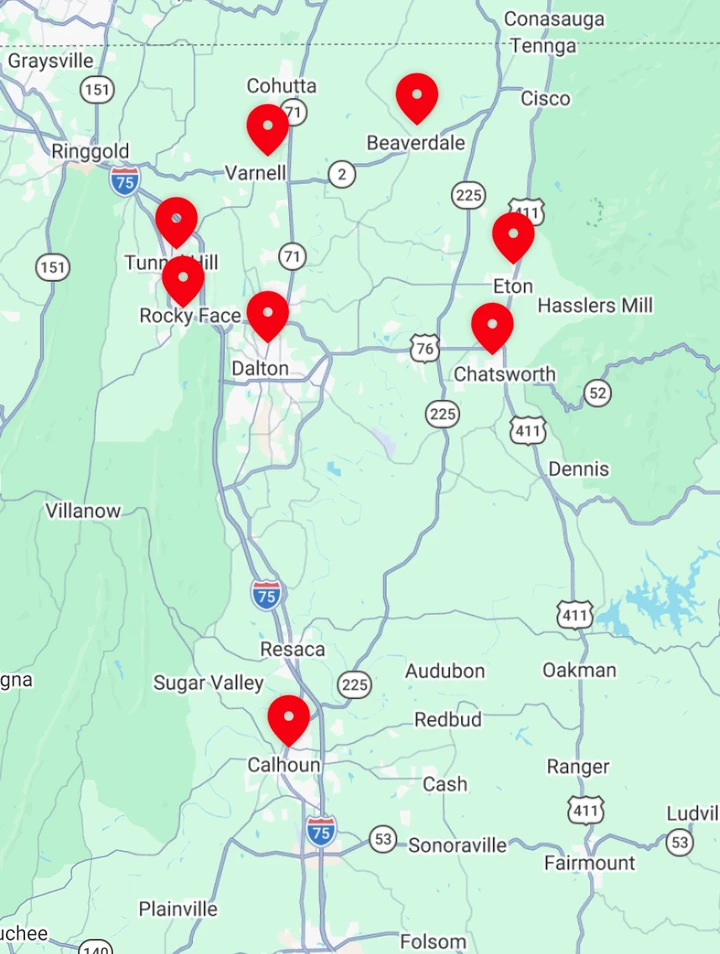
We plan commercial visits from our Chatsworth location and serve Dalton, Rocky Face, Varnell, Beaverdale, and Eton. We also serve Calhoun and Tunnel Hill. Each city page explains how visits are planned there. If your business is in another community, contact our team, and we will confirm whether we can reach the property before anything is scheduled.
Have a Question We Didn't Answer? Contact Us!
Submit Question
What Dalton & Chatsworth Customers Say About Our Heating and Cooling Company
Good reviews don't come from advertising — they come from showing up and doing the work right. Here's what our neighbors across North Georgia have to say about True Temp Heating & Air.
Commercial Service Across Our Area
Our commercial visits are planned from our Chatsworth location for businesses in the communities below. Each community can review how we plan visits there, and our service area page covers our full coverage. Businesses outside the listed communities can ask us whether a property is within reach before anything is scheduled.
-
Dalton, GA — Our Dalton page explains how commercial visits are planned for businesses in the city. -
Rocky Face, GA — Rocky Face businesses can review how we plan commercial equipment service on that page. -
Varnell, GA — The Varnell page covers our planning process and service visits for area properties. -
Beaverdale, GA — Beaverdale businesses can see how a commercial visit is set up on the Beaverdale page. -
Eton, GA — Our Eton page describes commercial equipment service for properties in the city. Calhoun, GA — Calhoun is among the communities we serve. Tunnel Hill, GA — Tunnel Hill is among the communities we serve.
Explore Our Other Heating and Cooling Systems
Commercial equipment sits within a wider set of heating and cooling systems we service. These related pages cover the options that often come up alongside a commercial review, and each one explains how that type of visit is planned.
Your Commercial Contractor for Rooftops, Boilers, and Chillers
Commercial equipment keeps a building running, and it deserves a plan built around the way your property operates. Tell us about the rooftop units, boilers, or chillers you rely on, and our team will walk through the options with you before any work is scheduled. We can also explain how each piece of equipment fits into the larger plan for your property. There is no need to have every answer ready, because the assessment is where we work those details out together.
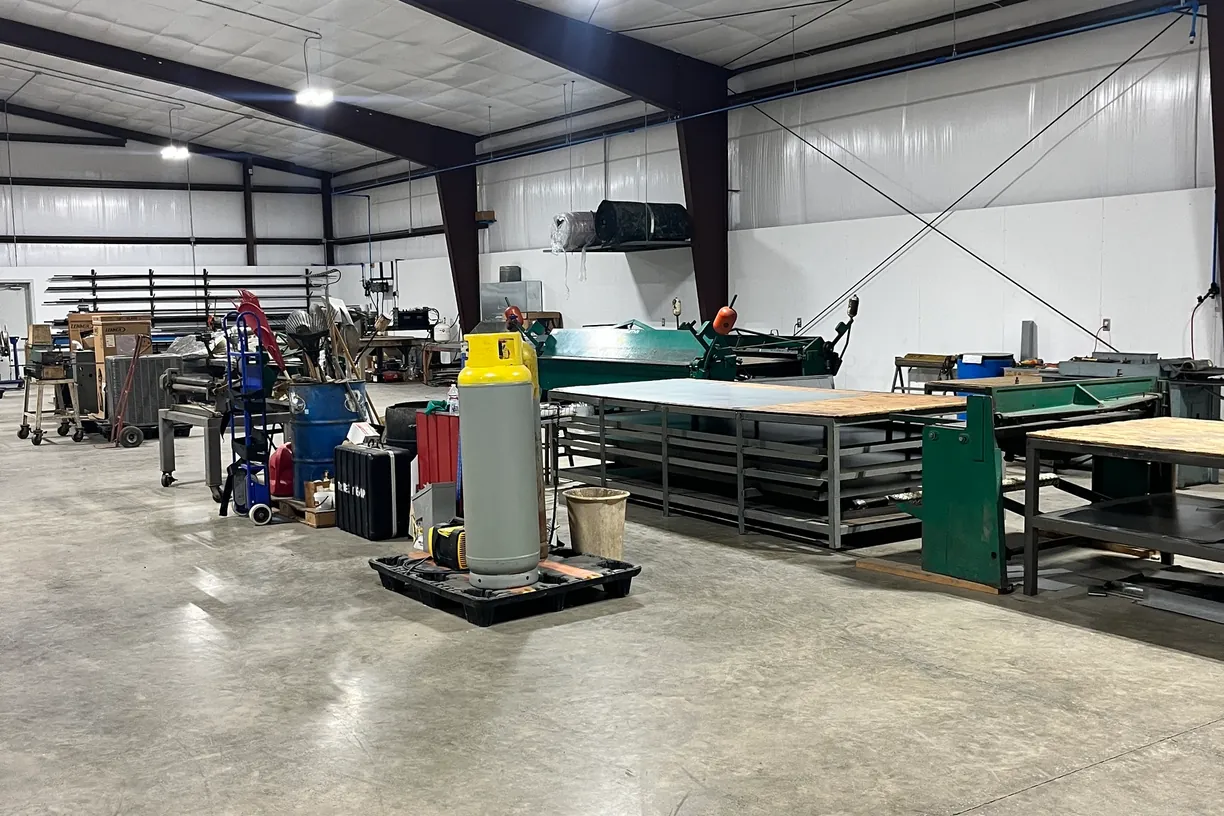
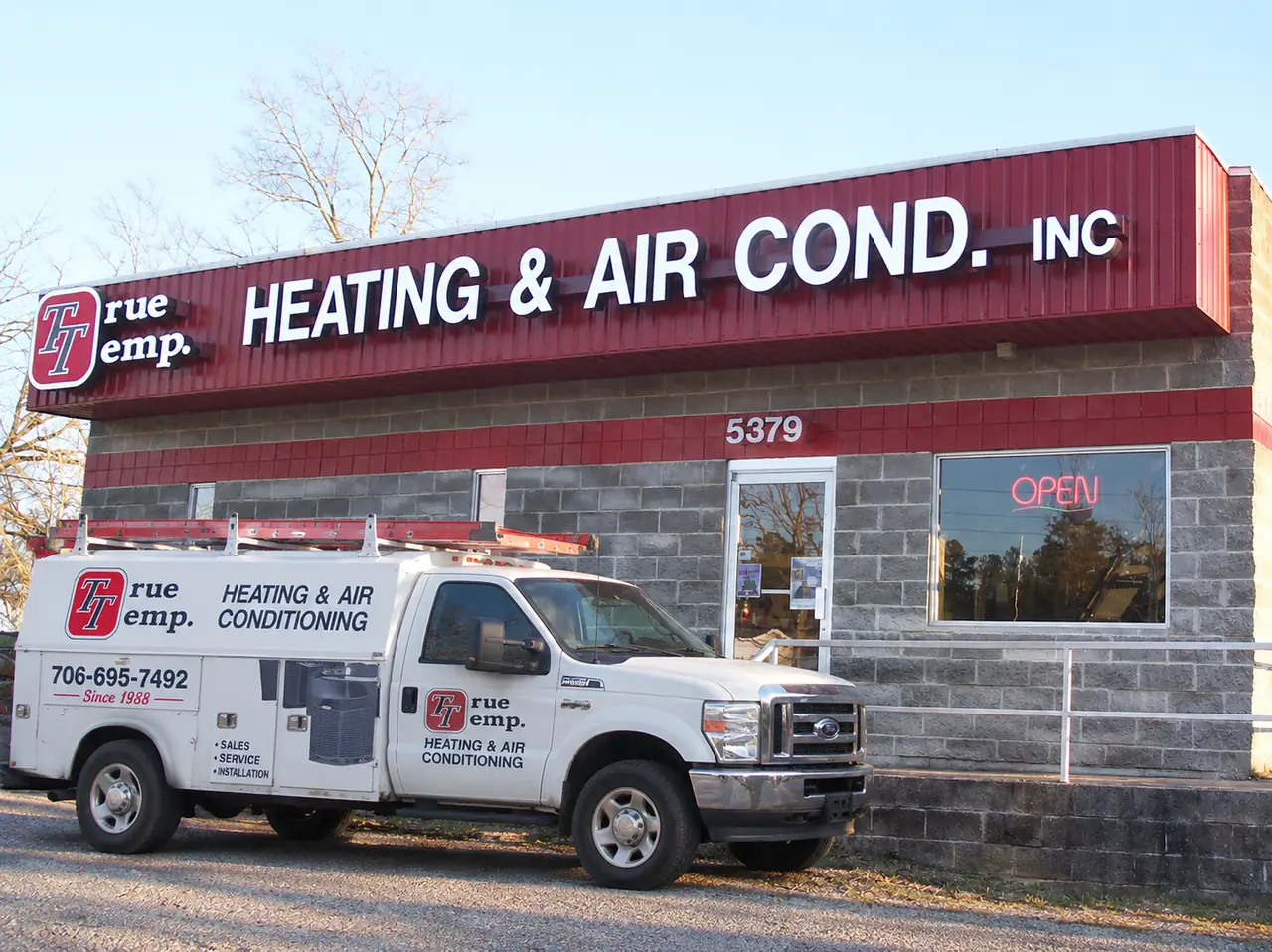
Our showroom and fabrication shop are on site in Chatsworth, so you can ask questions in person as well. We will explain each step before any work begins, answer your questions before we leave the property, and put the findings in writing so your team has a clear record to work from.