Seasonal Cabinet Care
Packaged Unit Maintenance in Dalton & Chatsworth, GA
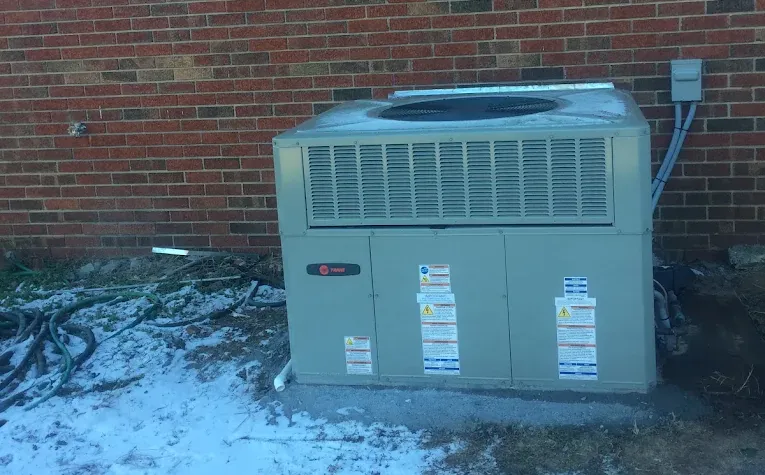
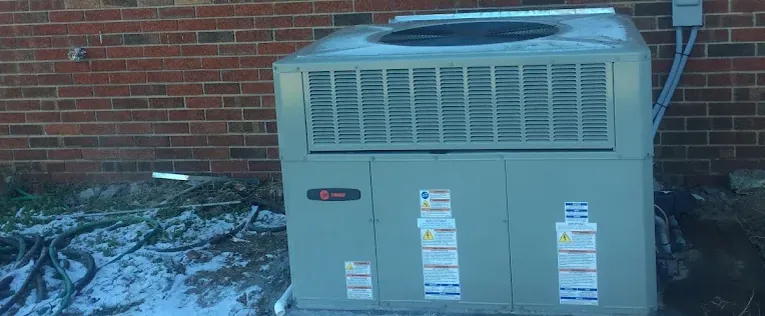
A packaged unit carries heating and cooling in one outdoor cabinet, so wear on its compressor, contactors, coils, and blower can build quietly until the system stops. At True Temp Heating & Air, we provide packaged unit maintenance and tune-ups for homes in Dalton, Chatsworth, and across our service area, including Rocky Face, Varnell, Beaverdale, and Eton. Each visit checks the cabinet's electrical parts, refrigerant pressures, and airflow, then explains every reading in plain language. Trane is our primary brand, and we work on all makes.
Book A Cabinet Visit
Send Us the Basics of Your Packaged System
Send us the basics of your cabinet, including its age if you know it, the last time it was serviced, and any rooms that run warmer or cooler than the rest of the house. Our team uses those details to plan a visit that fits your schedule and explains what the tune-up will cover. Describing how the cabinet sounds at startup also helps us focus the visit. If the cabinet is already giving trouble, our packaged unit repair page explains how we diagnose faults, and our packaged unit installation page covers replacement planning. The packaged units overview lists every packaged system we service.

A Heating and Cooling Company That Reads the Whole Cabinet
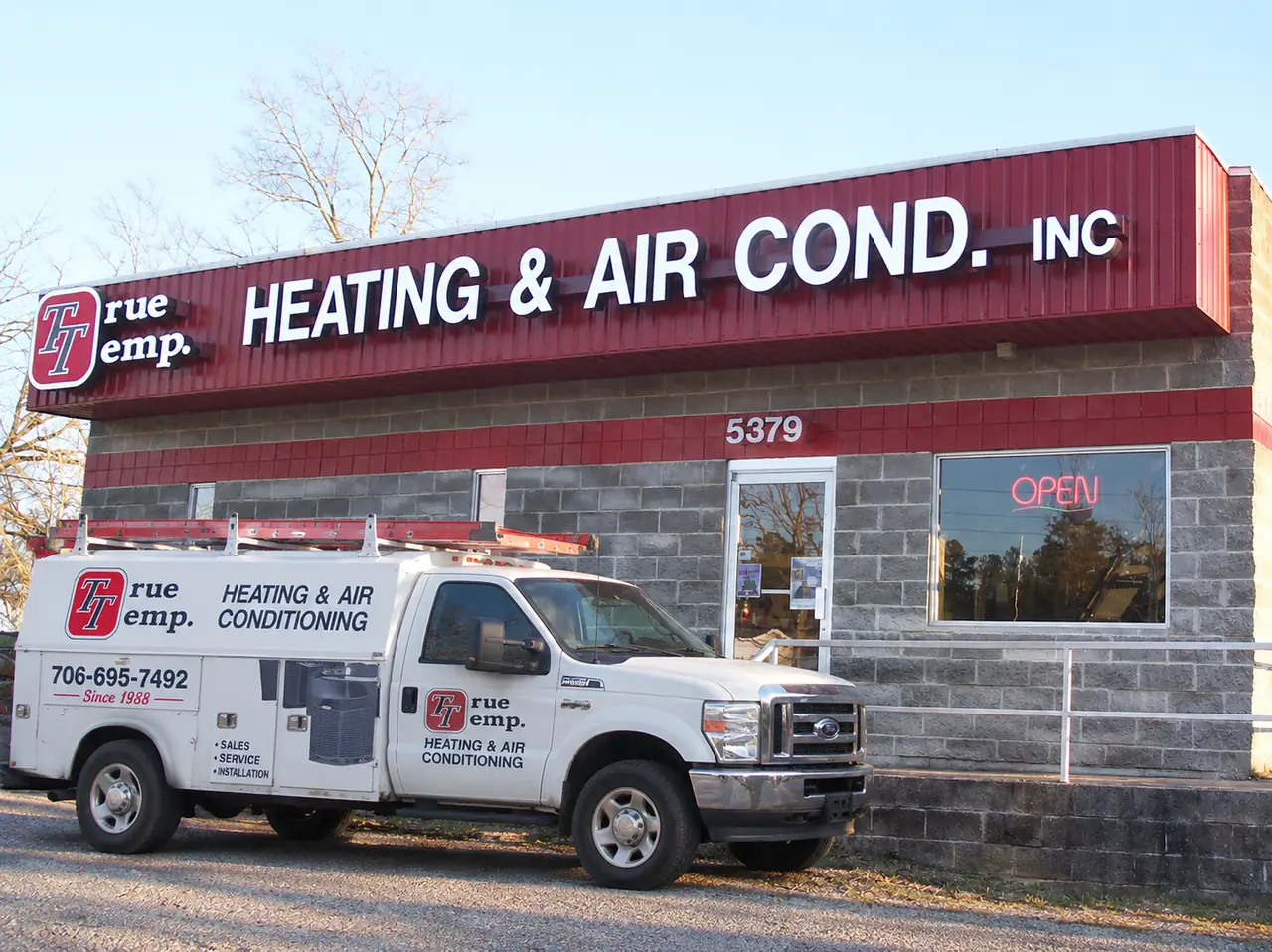
Maintenance works best when one team follows the cabinet from visit to visit, so the notes from last season are still there when the next visit begins. Before you book, you can read our company background or meet the team, and reach out to us with any question about how your cabinet has been running.
What a Packaged Unit Tune-Up Covers, Step by Step
A packaged tune-up moves through the cabinet in a fixed order, from the history we review to the findings we leave with you. Each stage gives the next one a baseline, so a reading taken early can be compared with readings taken later in the visit.
1. Review the Run History and Recent Changes
We start by learning how the cabinet has behaved since its last visit, because patterns across a season are easier to read than a single reading. Those changes tell us where to start the visit.
- Ask whether the cabinet ran more or less than usual through the last season
- Note any repairs, filter changes, or storms that may have affected the system
- Review the thermostat settings and how the system responds in each mode
- Check the nameplate details and the age of the cabinet, if they are available
- Look at the outdoor pad, the clearances, and any growth or debris near the unit
- Confirm which rooms feel uneven so the readings can be matched to them
2. Look Over Connections and Starting Components
Starting parts wear gradually, and a small change can be the first sign of a larger problem. We inspect the components that start and stop each function before we measure anything. Electrical faults are often the simplest to confirm once the parts are in view.
- Inspect the contactors for pitting, burning, or sticking contacts
- Check the capacitors for correct values and for swelling or leaking
- Verify voltage at the disconnect and at the cabinet's control inputs
- Review wiring connections for heat damage, discoloration, and loose terminals
- Test safety switches, pressure controls, and any drain switch the cabinet uses
- Confirm the thermostat signal reaches the control board as intended
3. Capture a Baseline of Pressures and Temperature Split
These readings form the baseline we compare with future visits. They show how the cabinet moves heat when it runs under normal conditions. Taking them with the same method each visit keeps the comparison honest. A reading that looks normal on its own can still reveal a trend when it sits beside the last one.
- Measure the temperature difference between return air and supply air in cooling
- Check refrigerant pressures against the manufacturer's specifications for the cabinet
- Compare heating-mode readings with the values recorded at past visits
- Look for signs of slow refrigerant loss, such as a gradual drop in performance
- Note the electrical draw on the compressor and the outdoor fan
4. Clean the Coils, Clear the Drain, and Check Airflow
Airflow and heat transfer depend on clean surfaces and an open drain. This stage keeps the cabinet breathing and keeps water where it belongs. Each task is completed in full before the next one begins, so nothing is skipped.
- Clean the outdoor coil and remove debris from the cabinet's fins and base
- Clear the condensate drain line and confirm the drain pan empties freely
- Check the blower wheel, blower motor, and filter path for restriction
- Confirm the indoor coil is clean and that the return air path is not blocked
- Compare supply airflow at the registers nearest the cabinet with the farthest ones
- Check that the cabinet sits level and that its clearances remain open
5. Deliver Written Findings and Next-Visit Recommendations
The visit ends with a written record and a plan for what comes next. This final step turns the readings into guidance you can follow, and it ties the findings to the next scheduled visit. You keep the summary, so the next technician can see the cabinet's full record.
- Summarize the readings and what each one tells us about the cabinet
- List the components that tested well and the ones we are watching over time
- Separate items that need attention now from those that can wait for a later season
- Recommend the timing of the next visit before the heating or cooling season begins
- Explain how our maintenance plan can keep these checks on a regular schedule
- Provide the written findings so you can compare them with future visits, and book your next visit when you are ready
What Dalton & Chatsworth Customers Say About Our Heating and Cooling Company
Good reviews don't come from advertising — they come from showing up and doing the work right. Here's what our neighbors across North Georgia have to say about True Temp Heating & Air.
HVAC Maintenance Plans for Dalton & Chatsworth Homes and Businesses
Regular maintenance is the simplest way to keep your system efficient and avoid surprise breakdowns. Our maintenance plans put your equipment on a regular tune-up schedule so small issues get caught early — before they turn into a no-heat or no-cool call.
Residential Maintenance Plan
Keep your home's heating and cooling running at its best year after year. Our residential plan covers routine tune-ups for your AC, heat pump, furnace, mini-split or packaged unit.
Commercial Maintenance Plan
Downtime costs your business. Our commercial plan keeps rooftop units, boilers and chillers on a regular service schedule so your building stays comfortable and your equipment lasts.
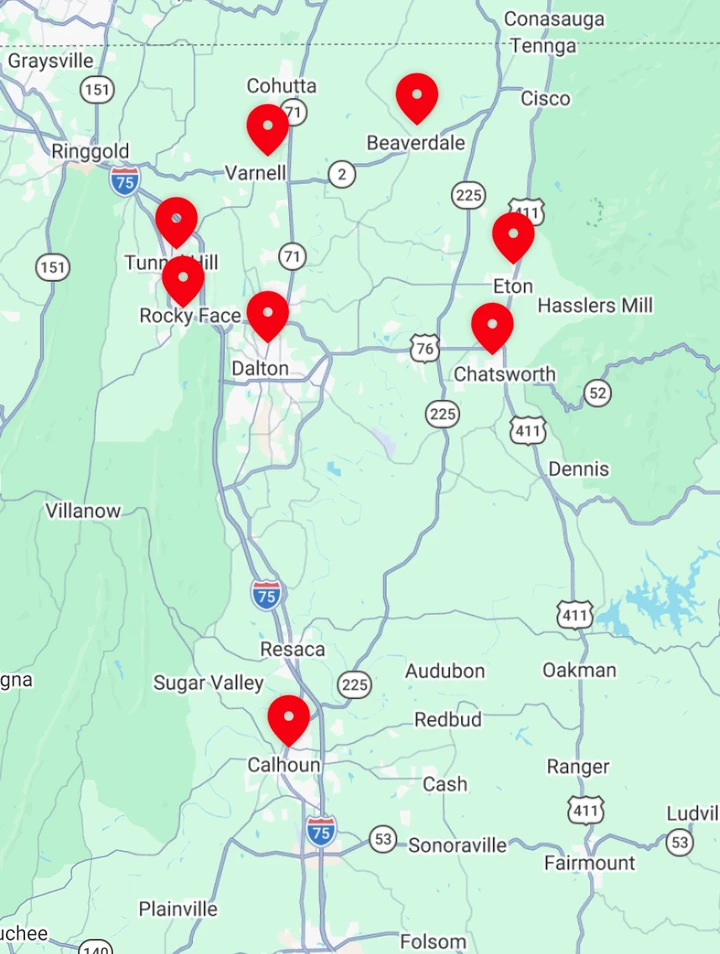
Where We Tune Packaged Cabinets Near Dalton & Chatsworth
We provide packaged unit maintenance from our Chatsworth home base and throughout the communities below. Our service area overview shows our full coverage, and each city page adds local detail for homeowners. Each community below is part of the areas we serve for packaged unit maintenance.
-
Dalton, GA — Dalton homeowners can review how our packaged tune-ups are scheduled and what each visit covers. -
Rocky Face, GA — The Rocky Face page outlines our seasonal cabinet checks for area homes. -
Varnell, GA — Varnell readers will find our maintenance visits described on the local page. -
Beaverdale, GA — The Beaverdale page explains how we plan cooling and heating checks for packaged systems. -
Eton, GA — Our Eton page covers packaged unit tune-ups for homes in the city. Calhoun, GA — Calhoun is among the communities we serve for packaged unit maintenance. Tunnel Hill, GA — Tunnel Hill is among the communities we serve for packaged unit maintenance.
Packaged Unit Maintenance FAQs
No. A tune-up checks the cabinet while it is still running, so its readings can be compared with past visits and wear can be caught early. A repair visit starts from a symptom and focuses on the fault behind it. Either way, you receive a measured written summary, and we explain any finding before work begins.
A packaged unit runs both functions through shared controls, so a fault in one mode can hide in the other. Checking only cooling in July can miss a weak heating sequence that matters in January. Our team tests both modes, records the readings for each, and explains whether either one needs attention before the next season.
Many homeowners schedule one visit before the cooling season and another before the heating season, since a packaged cabinet works in both. That rhythm lets us check the system under each load. Timing can shift with the cabinet's age, its history, and how the household uses it, so our team will suggest a schedule.
Contactors and capacitors help start the compressor and fans, and both wear over time. A pitted contactor or a weak capacitor can cause hard starts, short cycling, or a fan that stalls. During a tune-up we inspect the contacts, test the capacitor values, and check the wiring that feeds them. We explain each finding, and any replacement is discussed with you first.
The temperature split is the difference between the air entering the cabinet's return and the air leaving its supply. A healthy cooling cycle produces a consistent split, while a shrinking or erratic one can point to restricted airflow, low refrigerant, or a failing part. We record the split at each visit so future readings have a measured point of comparison.
Yes. We clear the condensate drain line, confirm the drain pan empties freely, and look for standing water around the base. We also check that the cabinet sits level on its pad and that its clearances are open. A clogged drain can leak into the surrounding area, so this step protects the cabinet and the space around it.
Keep grass, shrubs, and stored items away from the cabinet so air can move freely. Check the air filter on a routine that suits your home, and keep thermostat settings consistent. Note any new noise, odor, or water near the base, with the date it appeared. Avoid opening panels or removing covers yourself.
A tune-up can reveal early signs of a refrigerant problem, such as a gradual drop in cooling output or pressures that drift from the recorded baseline. Comparing readings across visits makes a slow change easier to see. If we find a leak, we explain how it can be located and what repair would involve.
Every written summary separates items that need attention now from those that can be watched through the coming season. Each item lists what we measured, why it matters, and the options available. You decide which work goes ahead, and nothing changes without your agreement.
Yes. Recommended parts are your decision, and declining one does not remove you from the regular schedule. We note the item in your written findings so the next visit can check it again. If a larger part is recommended, our financing options can help you plan the cost, and current rebates and offers may also apply.
Have a Question We Didn't Answer? Contact Us!
Submit QuestionOther Systems That Share Your Home's Airflow
Many homes run more than one system, and a packaged cabinet shares ductwork and airflow with other equipment. When one system's readings change, the others often show it too, so a visit to one can inform the rest. Each link below points to a page with its own checklist. Browse our services overview for the full list.
Plan Your Packaged Unit Tune-Up With a Dalton & Chatsworth Contractor
A packaged cabinet runs heating and cooling from one place, so a planned check before each season is one of the simplest ways to protect its performance. Our team will walk through the readings we take, the findings we share, and the options that follow, so you can decide what fits your home. Our showroom and full fabrication shop sit on the same site in Chatsworth, so you can reach our team in person as well as by phone.
Tell us about the symptoms you have noticed, the age of the cabinet, and any work done on it, and we will help you plan the next step. Whether the visit is a routine check or a conversation about a new system, you will leave with clear information and no pressure.