When Heat Falls Short
Furnace Repair in Dalton & Chatsworth, GA
A furnace that will not ignite, blows cool air, or starts making new noises needs an accurate diagnosis before anyone replaces a part. At True Temp Heating & Air, we visit homes in Dalton, Chatsworth, and across our service area, including Rocky Face, Varnell, Beaverdale, and Eton. We check ignition, airflow, controls, and safety components, then explain what we find and the repair options in plain language. Trane is our primary brand, and we work on all makes, so the furnace you already own can be evaluated by our team.
Furnace Symptoms
Describe the Furnace Symptoms You Have Noticed
Use the form on this page to tell us what the furnace is doing, when the problem started, and whether it has been repaired before. These details help us plan a focused first conversation about the fault. If the furnace is nearing the point where replacing it makes more sense, we will explain that openly, and you can compare our furnace installation options. For routine checkups that catch small faults early, review our furnace maintenance visits, or browse the full furnace service overview.
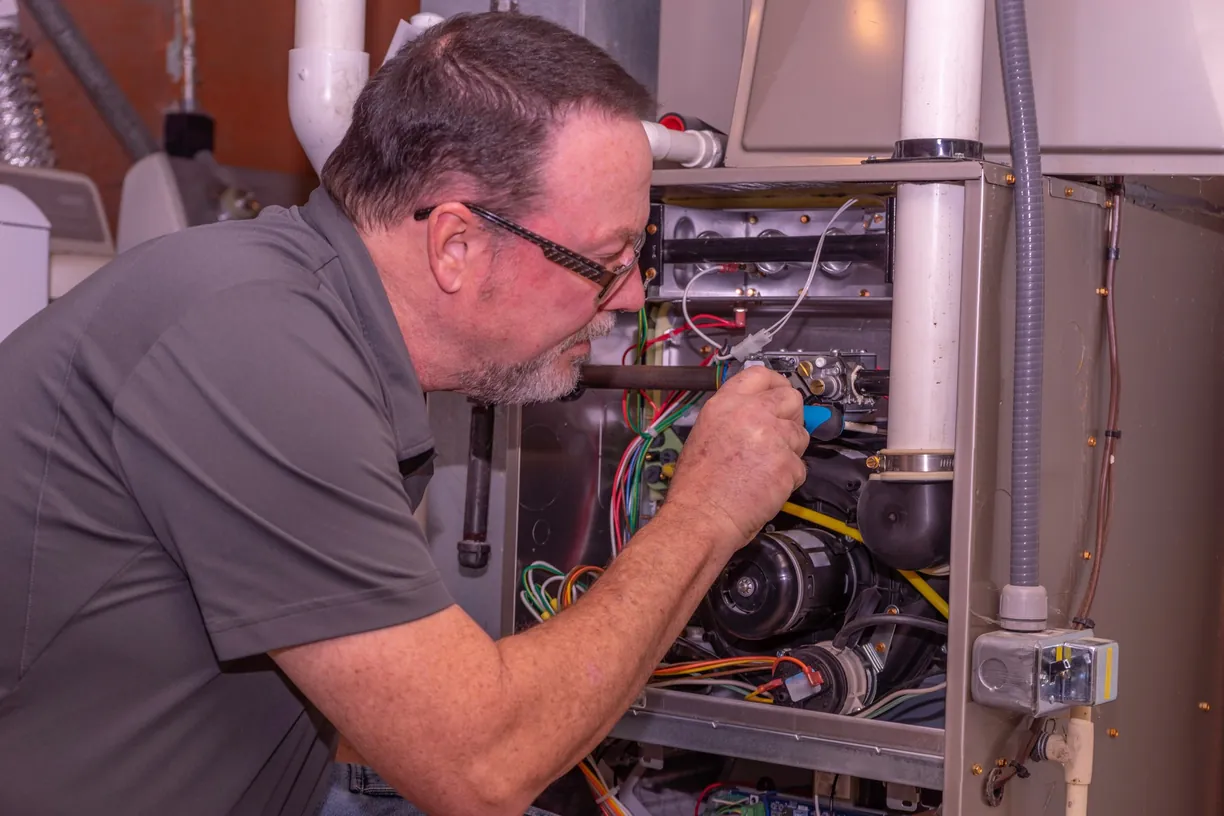
What Sets Our Furnace Diagnosis Apart From a Quick Fix
A furnace repair is only as good as the diagnosis behind it. Before we recommend a part, we want to know why the furnace stopped heating, whether the same fault is likely to return, and how the rest of the system is holding up. You can read our company background or meet the team before you reach out to us.
Furnace Symptoms That Deserve a Closer Look
A furnace often shows signs before it stops heating altogether. The symptoms below commonly point to a specific fault, and describing them clearly helps us narrow the diagnosis before we arrive.
A furnace that tries to start and then shuts down often has a problem with ignition, the flame sensor, or the gas controls. Repeated attempts can leave the system locked out until the fault is cleared. Note how many times the furnace tries before it stops, and whether the blower runs during those attempts. That detail often separates an ignition fault from a control fault.
A healthy burner flame is steady and mostly blue. A flame that burns yellow, flickers, or lifts away from the burner can point to restricted airflow, a dirty burner, or incomplete combustion. Do not ignore a change in flame color. Describe the color and pattern you saw when you call, so we can plan the right inspection.
A brief dusty smell when a furnace first runs after the off-season is common as settled dust warms up. A smell that lingers, turns sharp, or comes with a musty odor deserves attention. Dust and debris collected in the ducts can also cause those odors, and duct cleaning may be part of the answer once the source is confirmed.
Delayed ignition that produces a bang can point to a burner, ignition, or venting problem that needs inspection. A rumble that follows each start is another sign that the burners are not lighting smoothly. If the noise is loud, turn the furnace off and call us to plan the visit. Include what you heard and when it happened, since timing matters for the diagnosis.
Soot, scorch marks, or dark staining near the furnace, the vent, or the flue connection can signal that combustion is not working as designed. These signs call for a full inspection rather than a quick cleaning. Take photos of anything you notice, and share them with us so we can prepare for the visit. Keep the area around the furnace clear so the technician can reach the connections.
A furnace may run normally and still leave a few rooms uncomfortable. Restricted supply registers, blocked returns, or a leaking duct can produce that pattern, and the furnace itself may not be the root cause. Note which rooms are affected and whether the problem is steady or changes with the outdoor temperature. We check airflow across the home before recommending any equipment work.
How a Furnace Repair Visit Moves From Symptom to Tested Fix
A furnace repair follows a fixed order, so each step narrows the cause before any part is replaced. Our team explains each stage as we go, and nothing is replaced until the fault has been confirmed. You will see the same sequence on every visit.
1. Review the Symptoms and the Furnace's History
We start with your account of the problem, because the pattern of symptoms often points toward the fault. The furnace's past repairs matter just as much, so we look for patterns that have built up over time.
- Ask when the problem began and whether it happens on the first cold start or throughout the day
- Note what the furnace did before it stopped, such as failed ignition attempts, odors, or unusual noises
- Review previous repairs, service visits, and any changes made to the system
- Confirm the thermostat settings and the mode the household normally uses
- Find out whether the blower runs when the heat does not, and whether a breaker has tripped
- Agree on what you want the visit to answer, so the diagnosis stays focused
2. Check Ignition, Burners, and Gas Controls
Ignition and combustion faults are among the most common reasons a furnace stops heating. We check the sequence in order, because a fault at one step can look like a problem at another.
- Watch the ignition sequence through several starts and note how many attempts the furnace makes
- Inspect the burners for debris, uneven flame, or signs of yellow flame
- Clean and test the flame sensor, since a dirty sensor can shut the furnace down mid-cycle
- Check the igniter and its control signals to confirm it receives the correct input
- Test the gas valve and gas control operation against the furnace's specifications
- Confirm the safety switches respond as the controls expect
3. Test Airflow, the Blower, and the Heat Exchanger
Airflow and safety components are tested together, because a furnace that cannot move enough air can overheat and shut down. We inspect the heat exchanger and flue for cracks, corrosion, or soot before anything is returned to service.
- Inspect the air filter, blower wheel, and supply and return paths for restriction
- Measure the temperature rise across the heat exchanger to judge how well heat is moving into the air
- Check the blower motor, capacitor, and control wiring for wear or failure
- Look over the heat exchanger and flue connections for cracks, corrosion, or soot
- Check the draft inducer and pressure switch so the venting operates as designed
- Review the thermostat signals and wiring to confirm the furnace receives correct calls for heat
4. Confirm the Root Cause and Explain the Options
Once the readings are in, we match the symptoms to the fault they point toward. We show you the evidence and explain each option, so you understand what is wrong before you decide how to proceed.
- Walk through the readings, the worn parts, and the components that tested correctly
- Separate the immediate repair from related issues that can wait for a later visit
- Describe the reliability you can expect after each option, in plain terms you can compare
- Review whether current specials or financing options apply to the work
- Answer your questions about the cause before anything is adjusted, replaced, or changed
- Confirm the repair plan in writing so you have the same details we discussed
5. Complete the Repair, Test Heat Output, and Document the Results
The visit is not finished until the furnace runs correctly through a full heating cycle and you understand the work performed. We test the repair and leave you with a written record to keep with your home papers.
- Complete the agreed repair and confirm the parts installed are the ones we discussed with you
- Run the furnace through a full heating cycle and record temperature rise, airflow, and ignition performance
- Confirm the thermostat and safety controls respond as expected after the repair
- Provide a written summary of the findings, the work performed, and the test readings
- Share any manufacturer warranty information that applies to the parts we installed
- Discuss whether our maintenance plan suits your furnace once the repair is complete
Furnace Faults We Diagnose and Repair Most Often
Each fault below shows up often in furnace service calls, and each card explains how we confirm it.
Flame Sensor Cleaning and Replacement
A dirty or worn flame sensor can let the burners light and then shut them off. We clean the sensor and test its signal, and we replace it only when the test confirms the fault.
Igniter Repair and Replacement
An igniter that is cracked or weak may fail to light the burners on the first attempt. We test its operation and the signals it receives before recommending a new part.
Gas Valve and Control Repair
A failing gas valve or control can stop the burners from lighting or cause uneven heat. We test the valve's operation and wiring before replacing any component.
Draft Inducer and Pressure Switch Service
The draft inducer and pressure switch confirm that venting is clear before the burners fire. When one of them fails or the venting is restricted, the furnace may refuse to start.
Blower Motor and Capacitor Replacement
A worn blower motor or capacitor can reduce airflow, overheat the furnace, or stop the fan entirely. We check the motor, capacitor, and wiring together before recommending a replacement.
Control Board Diagnosis
A failing control board can cause a furnace to lock out, run without heat, or ignore thermostat calls. We test the board's inputs and outputs before recommending a replacement.
Heat Exchanger Inspection
We inspect the heat exchanger for cracks, corrosion, and staining that suggest it is no longer sealed. We explain what we find and what it means for the furnace, so you can decide with clear information.
HVAC Maintenance Plans for Dalton & Chatsworth Homes and Businesses
Regular maintenance is the simplest way to keep your system efficient and avoid surprise breakdowns. Our maintenance plans put your equipment on a regular tune-up schedule so small issues get caught early — before they turn into a no-heat or no-cool call.
Residential Maintenance Plan
Keep your home's heating and cooling running at its best year after year. Our residential plan covers routine tune-ups for your AC, heat pump, furnace, mini-split or packaged unit.
Commercial Maintenance Plan
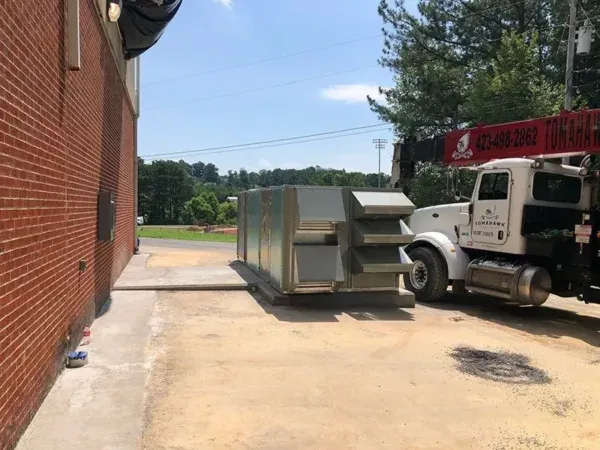
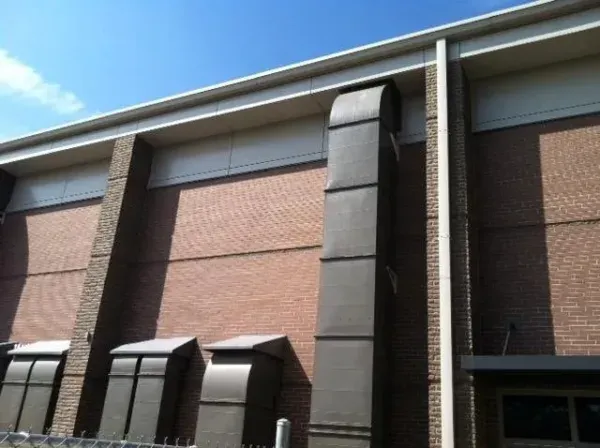
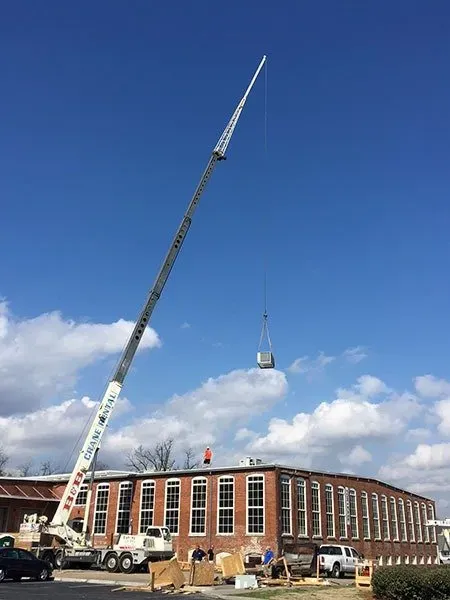
Downtime costs your business. Our commercial plan keeps rooftop units, boilers and chillers on a regular service schedule so your building stays comfortable and your equipment lasts.
What Dalton & Chatsworth Customers Say About Our Heating and Cooling Company
Good reviews don't come from advertising — they come from showing up and doing the work right. Here's what our neighbors across North Georgia have to say about True Temp Heating & Air.
Questions Homeowners Ask About Furnace Repair
A flickering or yellow flame usually points to a problem with combustion air, airflow, or the burners themselves. Dirt on the burners, restricted air supply, or a venting problem can all change how the flame burns. A steady, mostly blue flame is what we expect from a healthy burner. We inspect the burners, check airflow, and look at the venting before recommending a repair, because the fix depends on which of these is off.
Repeated clicks usually mean the ignition sequence is trying to light the burners without success yet. The furnace may check the flame sensor, the igniter, the gas valve, and the pressure switch in order, so a fault at any step can cause several attempts. We observe each attempt during the visit and note where the sequence stops. Once we know the failing step, we explain the repair and the parts involved.
A brief dusty smell during the first run of the season is common and usually fades quickly. A smell that continues, turns sharp, or comes with soot, scorching, or an unusual flame color should not be ignored. Turn the furnace off, check that the air filter is clean, and call us so we can inspect the burners, the heat exchanger, and the ductwork.
Leave the home right away, and do not operate light switches, appliances, or phones inside. Call your gas utility or 911 from a safe distance, and follow their instructions. Once the area is safe, contact our team to inspect the furnace and its gas controls. A gas odor is a safety situation, so do not wait for a scheduled repair visit to act on it.
We inspect the heat exchanger visually, looking for cracks, corrosion, staining, and soot near seams and connections. We also check the flue and combustion air paths, because restricted venting can change how the heat exchanger operates. If a finding suggests a crack, we explain what we observed and what it means for the furnace before discussing repair options. We do not recommend work we cannot support with what we see.
Yes. A flame sensor coated with residue can fail to detect the flame, so the control closes the gas valve after the burners light. The furnace may light, run briefly, and then shut off, and it may repeat that cycle. Cleaning the sensor often corrects the problem, but we test its signal afterward to confirm the fix. If the sensor is worn, we explain the replacement option before any part is installed.
Yes. A failing control board can ignore thermostat calls, lock the furnace out, or send the blower and burners out of sequence. Because several faults can look like a control problem, we test the thermostat signals, safety switches, and wiring before recommending a board replacement. When a board is replaced, we confirm the new part runs through a full heating cycle before the visit ends.
When the gas valve is part of the fault, yes. We test the valve's operation, the wiring that controls it, and the signals that tell it to open, because a valve that appears to fail may be responding to a control problem. We explain the readings before replacing anything, and we confirm the furnace lights and holds a steady flame after any repair.
Yes. Before the visit ends, we run the furnace through a full heating cycle and record the readings that matter, including temperature rise and airflow. We compare the results with the furnace's specifications and tell you what they show. You receive a written summary of the test, so you can keep the readings with your home records alongside the repair details.
Write down the symptoms, when they started, and any changes you noticed in the flame, the sound, or the smell. Note the thermostat settings, any breaker trips, and the furnace's age if you know it. If you recall previous repairs, have those dates and details ready. We use these details to plan the visit around the problem you are seeing, so the first conversation stays focused.
Have a Question We Didn't Answer? Contact Us!
Submit Question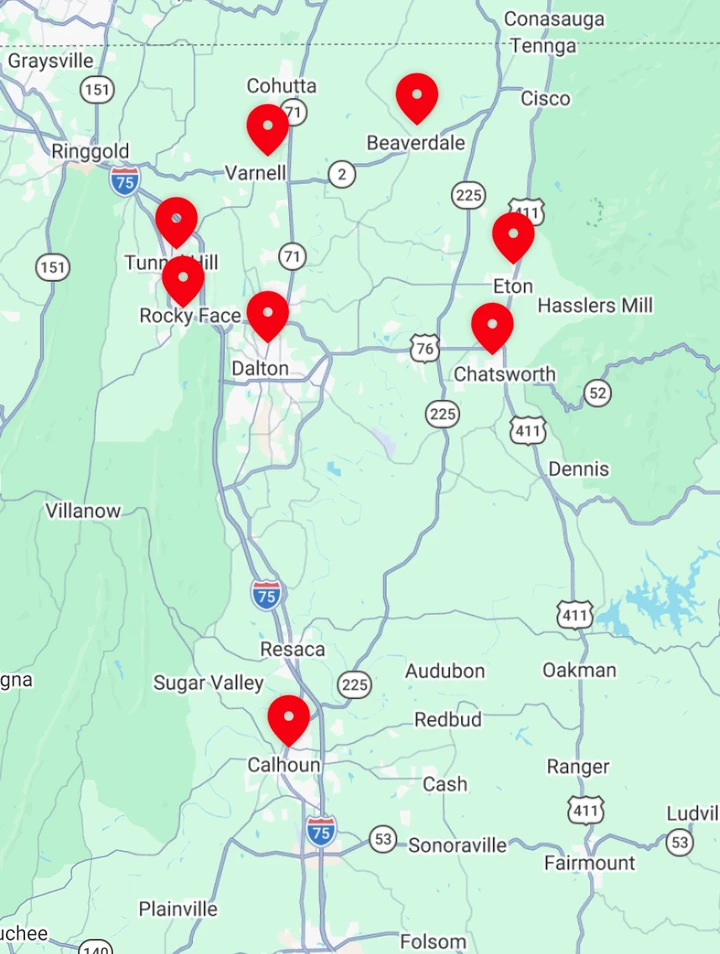
Furnace Repair Across Our Service Area
We diagnose and repair furnaces from our Chatsworth home base and throughout the communities below. Our service area overview explains our full coverage, and each city with its own page includes local details for homeowners.
-
Dalton, GA — Our Dalton page describes furnace repair for homes in the city. -
Rocky Face, GA — Our Rocky Face page outlines how we diagnose heating faults for area households. -
Varnell, GA — Our Varnell page covers the furnace repair work we provide to local homeowners. -
Beaverdale, GA — Our Beaverdale page explains repair visits for homes in the community. -
Eton, GA — Our Eton page describes furnace repair service for residents of the city. Calhoun, GA — Calhoun is among the communities we serve for furnace repair. Tunnel Hill, GA — Tunnel Hill is among the communities we serve for furnace repair.
Systems That Share Ductwork and Airflow With Your Furnace
Many homes depend on more than one comfort system, and a furnace problem can involve the ductwork or the equipment around it. You can also review our services overview for the full list of what we offer.
Furnace Help From Our Dalton & Chatsworth Heating Contractor
A furnace that is not heating the home deserves a clear explanation before any work begins. Our team will walk through the symptoms, the diagnosis, and each repair option, so you can decide with confidence. Share the details about your furnace, including its make and recent service history, and we will help you plan the next step.
Our showroom and fabrication shop sit on the same site in Chatsworth, so you can talk through the options in person if that suits you better than a phone call. Tell us what the furnace is doing, and we will explain what we find in plain terms.