Tank Water Heater Repair
Tank Water Heater Repair in Dalton & Chatsworth, GA
When a tank water heater stops delivering hot water, the whole household notices. At True Temp Heating & Air, we diagnose tank water heater problems for homes in Dalton, Chatsworth, and across our service area, including Rocky Face, Varnell, Beaverdale, and Eton. Every visit starts with the symptoms you have seen, then moves to testing the burner or heating elements, the controls, and the connections around the tank. American Water Heaters is the tank brand we install and service, and we work on all makes. We also offer 24/7 emergency service, and we explain what we found before any repair begins.
Send Us The Details
Send Us the Details of Your Tank Problem
Tell us what your tank water heater is doing, when the problem began, and whether you have noticed water, odor, or noise near the unit. Note the fuel type if you know it, along with any recent change in how your household uses hot water, because those details help our team prepare. If your question is really about a new unit, our tank water heater installation page explains that process, and the tank water heater overview compares your options.

A Dalton & Chatsworth Tank Repair Contractor That Tests Before It Recommends
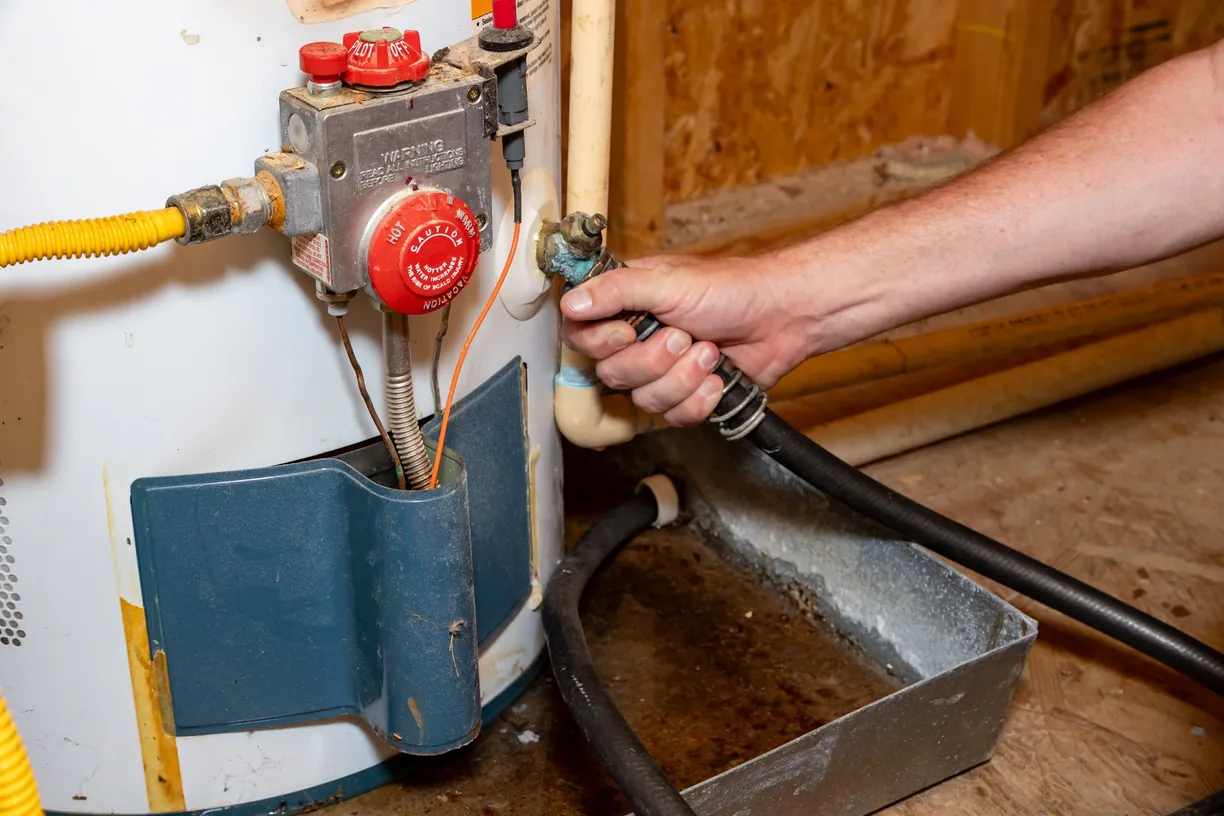
A tank repair should begin with a test, not a guess. Our team looks at the whole unit so the repair addresses the real cause rather than the most obvious symptom. You can read about our company background and meet the people who handle repair calls on our team page before you reach out. When you are ready to talk through a problem, contact our team and describe what your water heater is doing.
Signs Your Tank Water Heater Needs Attention
Tank problems rarely appear all at once. Most begin as a change you can notice at the tap, around the base, or near the burner, and catching them early keeps the repair focused. The six signs below are the ones our team asks about first when a tank call comes in.
A tank that runs out partway through a shower may have a heating element or burner that is not heating the full volume, a thermostat set too low, or sediment that has reduced the usable space. Note which fixture runs cold first, since that detail helps us narrow the cause.
Lukewarm water can point to a thermostat that has drifted, an element or burner that is not reaching temperature, or a mixing issue at the fixtures. We test the heat source and the controls together so the repair targets the component that is actually failing.
Water collecting around the tank can come from a loose fitting, a failing drain valve, a leaking pressure relief valve, or a crack in the tank. If the leak is active, shut off the water supply to the tank, and contact us so we can locate the source.
Discolored hot water can point to corrosion inside the tank, a plumbing problem, or sediment that has been stirred up. Describe which taps are affected and whether the color clears after the water runs, because that detail narrows the search.
Sediment settling at the bottom of the tank often causes popping or rumbling as water boils beneath it, and a sharp bang can point to a loose component. Describe when the noise happens, such as during heating or at the start of a shower.
A pilot light that keeps going out may have a draft problem, a faulty thermocouple, or a gas control issue. If you smell gas, leave the home and call your gas provider from a safe distance, and do not try to relight the pilot. Once the area is safe, our team can test the burner, venting, and controls.
What Happens Once We Diagnose Your Tank
A tank repair follows a clear sequence so that each finding supports the next step. We keep you informed at every stage, and we do not begin a repair until you understand what we found. The five steps below describe how a typical visit unfolds, from the first conversation through the final retest.
1. Start With the Symptoms and the Unit's History
Our first step is to learn exactly what the tank is doing and how long it has been happening. A clear account from you shapes the test plan and keeps the visit focused on the real problem.
- Ask when the symptom started and whether it has grown worse over time
- Note which fixtures or appliances show the problem, such as showers, laundry, or dishwashing
- Record any sounds, odors, or moisture you have noticed around the unit
- Confirm the fuel type, the unit's location, and any earlier repairs we should know about
- Find out whether the problem follows heavy hot water use or appears at random
2. Confirm the Fuel, Power, and Water Lines
Before testing the heat source, we confirm that the tank has the fuel, power, and water it needs. Many apparent failures trace back to a supply issue, so this check prevents wasted effort. We explain any supply problem we find before we move on to the next test.
- Check the gas supply and the appliance connection on gas units
- Confirm electrical service and the wiring to the unit on electric models
- Inspect the cold water inlet and hot water outlet for leaks or restrictions
- Look at the shutoff valves and fittings for corrosion or wear
- Verify that the pressure relief valve is in place and sealing correctly
3. Test the Burner, Igniter, or Heating Elements
With the supply confirmed, we test the heat source that matches your unit. Gas models call for burner and igniter checks, while electric models call for element and thermostat testing. The goal is to find which component is failing before we replace anything.
- Inspect the burner, pilot assembly, or igniter on gas tanks
- Check the flue and venting for blockages or draft problems that affect combustion
- Test each heating element on electric tanks for continuity and output
- Verify the thermostat and high-limit controls for correct operation
- Measure how quickly the tank heats so we know whether it performs as designed
4. Lay Out the Cause and Your Choices
Once testing is complete, we explain what we found in plain language. We present the repair that restores normal operation, along with any other option that makes sense for your unit. You decide how to proceed once you understand the findings.
- Describe the failed component and the symptom it produces
- Explain the repair needed to restore normal operation
- Note any related wear that could cause trouble if it is left alone
- Compare the repair with a replacement when the condition of the unit makes that comparison useful
- Provide the scope and any parts needed before the work begins
5. Retest Under Normal Use and Record the Results
After the repair, we retest the tank under normal conditions and confirm that it recovers as expected. The final step gives you a clear record of what was changed and how the tank performed. We do not consider the visit complete until the retest passes.
- Run hot water at the fixtures you use most to check the response
- Confirm the burner or elements heat the tank to the set temperature
- Check every connection for leaks after the repair is finished
- Verify that the controls and the pressure relief valve operate normally
- Give you a written summary of the repair, the components we replaced, and the test results
Tank Water Heater Repairs We Handle
Every tank problem has a specific cause, so the repair depends on which component has failed. These are the repair categories we handle for tank units, and each one begins with testing.
Burner and Igniter Repair
We test the burner assembly and igniter on gas tanks, then repair or replace the part that is failing. Ask About Burner Repair.
Heating Element Replacement
Weak or failed elements can leave part of an electric tank cold. We test each element before recommending a replacement. Request an Element Check.
Thermostat and Control Repair
A drifting thermostat or high-limit control can cause lukewarm water or cycling. We verify each control and replace only the faulty one. Discuss Control Repairs.
Gas Control Valve Service
A failing gas control valve can leave the tank cold or cause the burner to cycle. We test its operation and replace it only when testing confirms the fault. Talk Through Valve Service.
Pressure Relief Valve Replacement
The pressure relief valve is a safety device that releases pressure when the tank exceeds its limits. A dripping valve is tested before we recommend a replacement. Describe Your Relief Valve Issue.
Tank Fitting and Leak Repair
Leaks often start at a fitting, valve, or connection rather than the tank wall. We trace the source, repair the fitting, and retest the connection. Report a Tank Leak.
Water Line and Connection Repair
Shutoff valves, unions, and water lines can wear or loosen over time. We inspect each connection and repair the ones that are restricted or leaking. Share Your Connection Concerns.
Venting and Exhaust Repair
On gas tanks, a blocked or damaged vent affects both safety and performance. We inspect the vent path, correct the defect, and confirm the draft. Ask About Venting Repairs.
HVAC Maintenance Plans for Dalton & Chatsworth Homes and Businesses
Regular maintenance is the simplest way to keep your system efficient and avoid surprise breakdowns. Our maintenance plans put your equipment on a regular tune-up schedule so small issues get caught early — before they turn into a no-heat or no-cool call.
Residential Maintenance Plan
Keep your home's heating and cooling running at its best year after year. Our residential plan covers routine tune-ups for your AC, heat pump, furnace, mini-split or packaged unit.
Commercial Maintenance Plan
Downtime costs your business. Our commercial plan keeps rooftop units, boilers and chillers on a regular service schedule so your building stays comfortable and your equipment lasts.
What Dalton & Chatsworth Customers Say About Our Heating and Cooling Company
Good reviews don't come from advertising — they come from showing up and doing the work right. Here's what our neighbors across North Georgia have to say about True Temp Heating & Air.
Answers About Your Tank Water Heater Repair
Popping and rumbling usually come from sediment that has settled on the bottom of the tank. As the tank heats, water trapped beneath the sediment boils and creates the sound. Sediment can also reduce heating efficiency over time. Our team tests the burner or elements so you know the cause first.
A dripping pressure relief valve can mean the tank is building more pressure than it should, or that the valve is failing. Because it is a safety device, it should never be capped or plugged. Our team tests the pressure and the valve, and we replace the valve only when testing confirms it does not seal.
A pilot that keeps going out often points to a draft problem at the flue, a faulty thermocouple, or a gas control issue. If you smell gas, leave the home first. Once the area is safe, call us and describe when the pilot goes out. We will test the burner, venting, and controls to find the cause.
Leave the home first, and avoid light switches, phones, and appliances inside. From a safe distance, call your gas provider or emergency services to report the smell. Do not try to relight a pilot while you smell gas. After the area is declared safe, contact our team to test the burner, venting, and gas connections.
A leak from the bottom of the tank often points to the tank itself, so do not ignore it. Shut off the water supply to the unit, and leave gas or power controls alone if you are unsure how to use them safely. Some leaks come from a loose fitting, while others point to a failed tank. Our team explains the difference.
If the tank is still making hot water, you can leave it running until the visit. For a gas unit, avoid adjusting the gas controls yourself. For an electric unit, switching off the breaker is a reasonable precaution while you wait. If the unit is leaking, shut off the water supply first. Our team will walk you through the safest step.
Yes. American Water Heaters is the tank brand we install and service, and we work on all makes. When your unit came from another manufacturer, our team tests its components and explains the repair options that fit it. Parts availability can differ, so we confirm what is needed during the visit.
That odor usually comes from bacteria or a chemical reaction inside the tank, and it typically shows up only on the hot side. Note whether it appears at every hot tap or only at the water heater. Our team tests the tank and the water supply to find the source. If you smell gas instead, leave the home and call your gas provider.
Some repairs require the water supply, fuel, or power to the tank to be shut off for a short time. We tell you before we begin, and we restore service once the repair is complete and tested. If your household depends on hot water at a set time, let us know so we can discuss timing before the visit.
The length of a repair depends on the fault, the parts involved, and whether a part is needed for your unit. A simple thermostat or burner adjustment can be quick, while a component replacement takes longer because of the testing that follows. We explain the expected scope during the diagnosis, and we do not begin until you approve it.
Have a Question We Didn't Answer? Contact Us!
Submit Question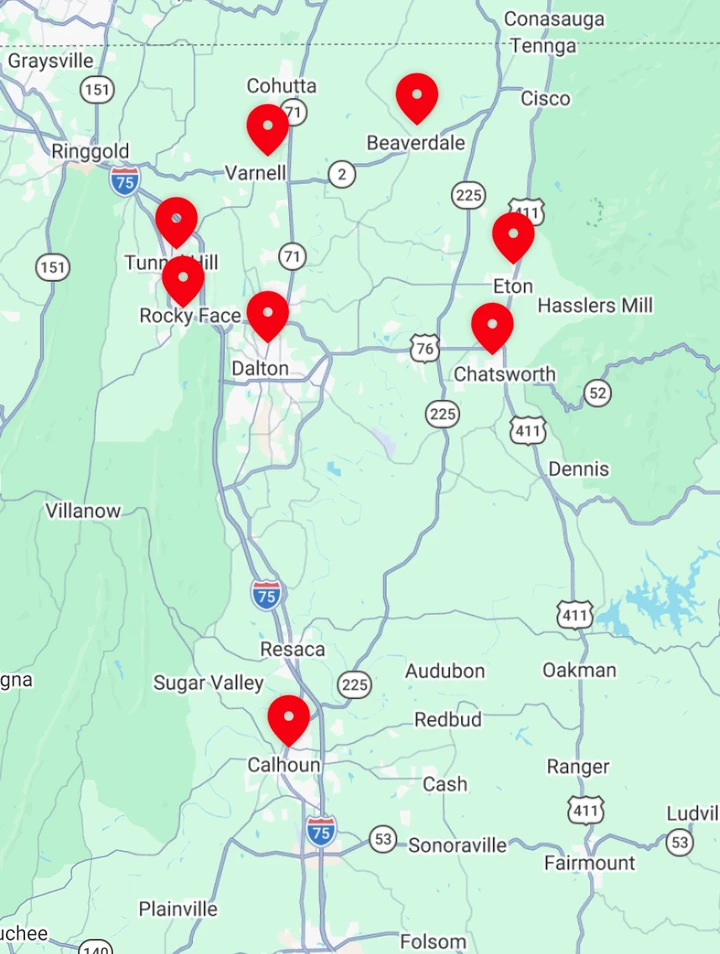
Tank Water Heater Repair Across Our Service Area
We repair tank water heaters for homes in Dalton, Chatsworth, and the communities listed below. Our service area overview explains our full coverage, and each city page shares local details for homeowners.
-
Dalton, GA — Our Dalton page covers tank repair visits for homes throughout the city. -
Rocky Face, GA — Our Rocky Face page describes repair service for households in the community. -
Varnell, GA — Our Varnell page outlines how we handle tank repairs for homes in the area. -
Beaverdale, GA — Our Beaverdale page explains the tank repair services we provide there. -
Eton, GA — Our Eton page details tank water heater repair for residents of the city. Calhoun, GA — Calhoun is among the communities where we repair tank water heaters. Tunnel Hill, GA — Tunnel Hill is among the communities where we repair tank water heaters.
Keep the Rest of Your Home Comfortable
Some repair visits reveal wear in other equipment, so it helps to know the full range of our work. Browse our services overview to see every category we cover.
Your Heating Company in Dalton & Chatsworth for Tank Repair
A tank that is not heating the way it should deserves a clear diagnosis from a team you can reach. Our technicians walk through the symptoms, the tests, and the repair options, so you know what is happening in your home before any work begins. Bring your questions and any details about your unit, and we will help you decide on the next step for your household.
Our team keeps every explanation in plain terms and welcomes questions about how a repair fits the rest of your comfort plan. Share what your water heater is doing, and we will explain what the testing shows before you approve anything.