Packaged Unit Installation
Packaged Unit Installation in Dalton & Chatsworth, GA
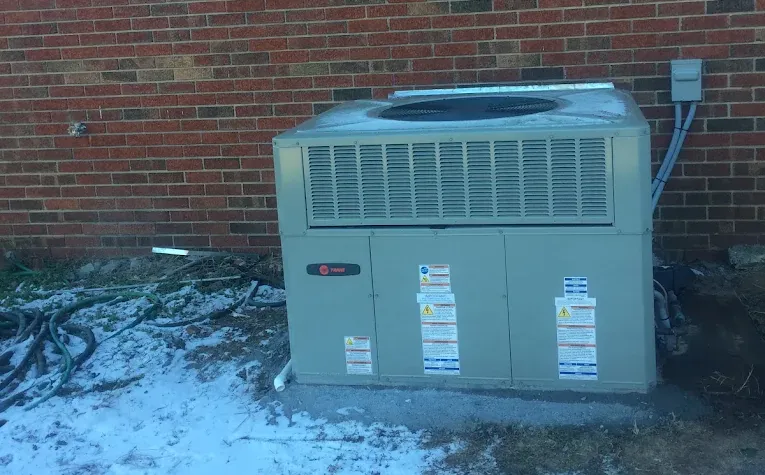
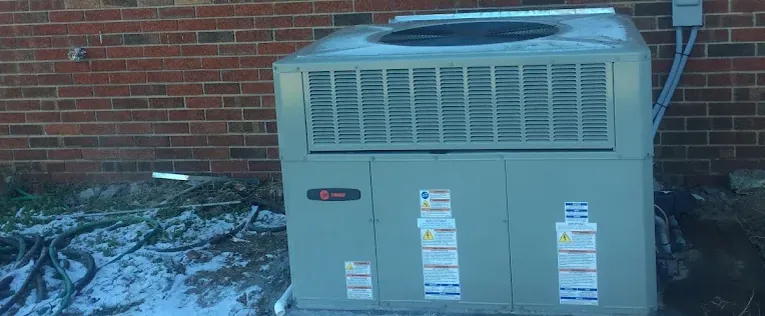
True Temp Heating & Air installs packaged unit systems for homes in Dalton and Chatsworth, Georgia, and across the communities we serve. A packaged unit places its heating and cooling components in one outdoor cabinet, which can suit a home with limited indoor space or no room for a separate indoor air handler. Before we recommend a cabinet, we review the outdoor site, the ductwork that connects to it, and how your household uses the home. Trane is our primary brand, and we work on all makes. We explain every option in plain terms before any equipment is ordered.
Send Us Your Details
Describe Your Packaged System Project to Our Team
Share the size of your home, the age and condition of your current system, the rooms that feel uneven, and the comfort concerns you want solved, and our team will plan a conversation focused on your packaged unit installation. If a repair is the better first step, review our packaged unit repair visits or the packaged unit maintenance options. The packaged unit overview covers the full range of our packaged system work, from new installations to tune-ups and repairs.

Why Our Packaged Unit Contractor Plans Before the Crew Arrives
A packaged system is a long-term investment that touches the outdoor site, the ductwork, and the electrical service, so the company you choose should be able to explain each piece. You can read our company background or meet the team that will plan your project before you call. Have questions about installation? Contact our team and we will talk through the options with you.
From Cabinet Review to a Tested Packaged System
Every packaged unit installation follows a sequence that protects your home, the equipment, and your schedule. The steps below show how a typical project moves from the first review to the final handoff.
1. Review the Outdoor Site and the Current Cabinet
We begin on site so we can see the outdoor pad, the existing cabinet, and the ductwork as they are built today. This first visit shapes every recommendation that follows, so we take the time to understand the household as well as the property.
- Note the age and condition of the current cabinet, including any repairs made over the years
- Look at the outdoor pad, the clearances around the cabinet, and access for future service
- Check where the thermostat is mounted and how the household uses it day to day
- Review insulation, attic access, and window exposure to see how heat moves through the home
- Ask about comfort concerns, such as rooms that run warm or cool compared with the rest of the house
- Confirm who makes decisions in the household so every recommendation reaches the right people
2. Select a Cabinet Matched to the Load
Sizing starts with the home rather than with a catalog. We compare options so the cabinet fits the building, the way it is used, and the comfort goals you described during the walkthrough. We walk through those comparisons with you rather than handing over a single recommendation.
- Estimate cooling and heating needs from the home's size, layout, ceiling height, and sun exposure
- Compare Trane options that match the recommended capacity for the space
- Review efficiency features and explain how they affect comfort in everyday operation
- Explain the tradeoffs between upfront cost and long-term operation for each option
- Discuss air filtration and air cleaner options through our indoor air quality services, so the full system is planned together
- Share a written summary of the options so you can compare them at your own pace
3. Prepare the Pad, Ductwork Connections, and Power Supply
The cabinet, the ductwork, and the electrical service all need to be ready before the crew arrives. Planning these details early prevents surprises during the work and keeps the schedule realistic.
- Inspect the duct connections to the cabinet for leaks, disconnected sections, and damage
- Check the return air path and the supply runs for restrictions that could limit airflow
- If the ducts are dirty, discuss whether duct cleaning should happen before the new cabinet runs
- Confirm the electrical supply and the outdoor disconnect the new cabinet requires
- Prepare or level the outdoor pad and confirm the clearances for airflow and service access
- Explain every ductwork and electrical finding in plain language before the work begins
4. Set, Connect, and Test the Cabinet
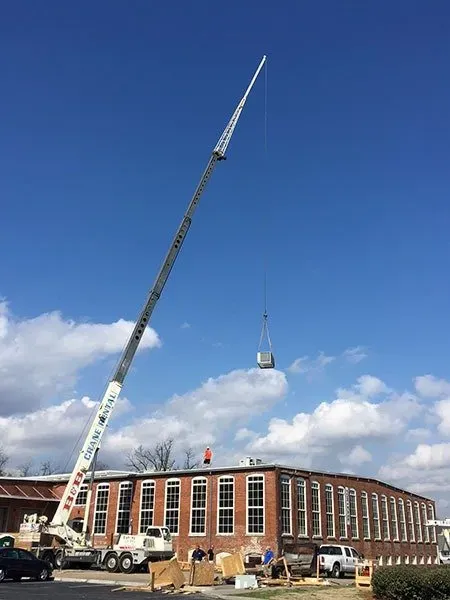
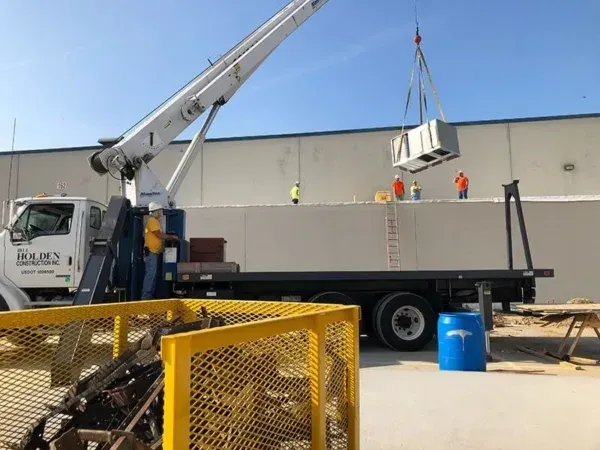
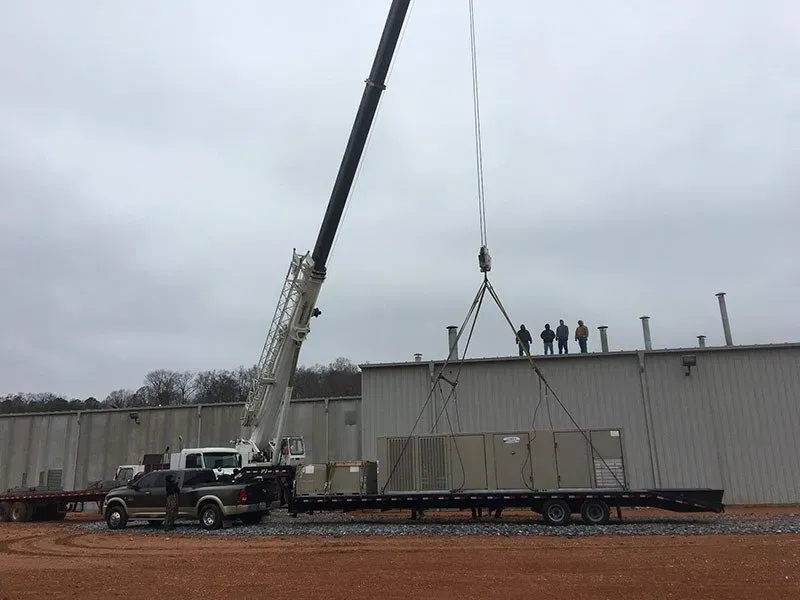
Our installation crew sets the cabinet and connects every part so the heating and cooling functions work together as one system. Testing happens before we consider the job complete, and it covers both the equipment and the controls. We walk you through the readings so you can see the results for yourself.
- Set the cabinet level and secure it to the prepared pad
- Connect the supply and return ductwork, the condensate drain, and the electrical connections as the equipment requires
- If the model includes gas heat, connect the gas supply and venting according to the manufacturer's specifications
- Install or update the thermostat and low-voltage control wiring so the system responds as intended
- Verify the refrigerant charge and operating pressures against the equipment specifications
- Run heating and cooling through their cycles and check airflow, temperatures, and controls in each part of the home
5. Walk Through Controls, Care, and Written Records
The project is not finished until you understand how the system works and know what to watch for. This final step focuses on homeowner education and a clean handoff. You should leave knowing what to watch for and whom to call.
- Demonstrate thermostat settings, fan modes, and the filter location in plain language
- Explain what normal operation sounds like, so unusual changes are easy to notice
- Show how to keep the outdoor cabinet clear of debris and vegetation
- Provide the equipment information and any manufacturer warranty paperwork for your records
- Answer questions about the system and about our maintenance plan for ongoing care
- Confirm how to reach our team with questions after the installation is complete
Financing a New System in Dalton or Chatsworth
A new furnace, heat pump or AC system is a big investment, and the timing isn't always up to you. That's why True Temp Heating & Air works with several financing partners, so you can get the comfort you need now and pay over time. We'll walk you through your options and help you pick the one that fits your budget.
We also help customers take advantage of available rebates. Ask us about programs through the Tennessee Valley Authority (TVA) and Trane — the right equipment choice can make your upgrade go further.
Our Financing Partners
Service Finance offers financing for qualifying home comfort projects, including new heating and cooling systems and water heaters. Our team will help you apply and walk you through the plan options available before any work begins. Approval and terms are subject to credit.
If you're a North Georgia Electric customer, you may qualify for financing through EnergyRight, the Tennessee Valley Authority's energy efficiency program. It's built for upgrades like high-efficiency heat pumps that help lower your energy use. We'll help you check eligibility and choose equipment that qualifies.
Wells Fargo financing lets you pay for a qualifying system over time through a nationally recognized lender. Ask our team how to apply, and we'll help you compare it with your other options. Subject to credit approval. Ask for details.

Rebates Available Through TVA & Trane
A high-efficiency upgrade may qualify for rebates through the Tennessee Valley Authority (TVA) and Trane. Our team will help you find the programs that apply, choose equipment that qualifies and walk you through what's needed to claim them, so your new system goes further.


Questions Homeowners Ask Before Installation
We begin with the basics, including square footage, ceiling height, layout, insulation, window exposure, and how each room is used. We also check the ductwork and the outdoor site, since both affect performance. Our team then explains the capacity we recommend and why it fits the home, so you can compare that reasoning with other proposals.
A packaged unit needs a dedicated electrical supply and a disconnect near the outdoor cabinet, so a technician can shut the system off safely during service. We confirm the wire size, breaker, and disconnect requirements from the equipment specifications. We explain the electrical work before it begins, and we flag any service panel changes early.
A gas-heat cabinet needs a properly sized gas supply line, a correct connection at the unit, and venting that matches the equipment specifications. Our team checks the existing gas line and confirms every connection before we set the cabinet. Once the system is connected, we test the heating operation before we leave, and we explain each step in plain terms.
Our crew disconnects the old cabinet, removes it, and takes it away from the site. Refrigerant is recovered using equipment and procedures that follow federal refrigerant rules, rather than being released into the air. We confirm the removal plan with you before the work begins, so there are no surprises on installation day.
We evaluate the cabinet as a whole, since heating, cooling, controls, and ductwork depend on one another. Some parts can be kept when they are sound and compatible with the new equipment, and we say so plainly. If your home uses separate indoor and outdoor components, our central air conditioning page explains that setup.
Trane is our primary brand, and we work on all makes. If you have a particular manufacturer in mind, our team will explain whether that equipment fits your home, your outdoor site, and your comfort goals. We will compare it with the Trane options we would recommend, so you can see the differences before you decide.
Yes. A packaged cabinet produces condensation during cooling, and that water must leave the system through a properly sloped and connected drain line. Our crew installs and tests the drain connection as part of the project. We check that water flows away from the cabinet and the pad, and we explain the drain route before installation day.
Before the crew leaves, we switch the system on and run it through heating and cooling cycles. Our team checks airflow, temperatures in several rooms, refrigerant and operating pressures against the equipment specifications, and the controls. We review the results with you and explain any adjustments that were made, so you know the system is ready for normal use.
A clear proposal lists the equipment model and capacity, the ductwork and electrical work, the outdoor pad and disconnect, removal of the old cabinet, and the warranty paperwork for the new unit. It also explains any financing or rebate programs that may apply, without promising an outcome. We walk through it line by line so you can compare it with other proposals.
We plan the installation around your household, including where the crew parks, which outdoor areas need protection, and when the indoor work will be loudest. Our team walks you through the schedule during planning, including how the cabinet, ductwork, and controls are handled each day. If you have pets, children, or a home office, tell us so we can plan around them.
Have a Question We Didn't Answer? Contact Us!
Submit Question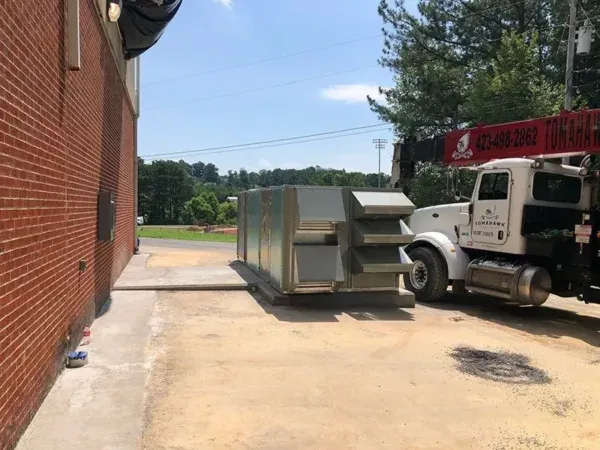
What Dalton & Chatsworth Customers Say About Our Heating and Cooling Company
Good reviews don't come from advertising — they come from showing up and doing the work right. Here's what our neighbors across North Georgia have to say about True Temp Heating & Air.
Where We Plan Packaged Unit Projects
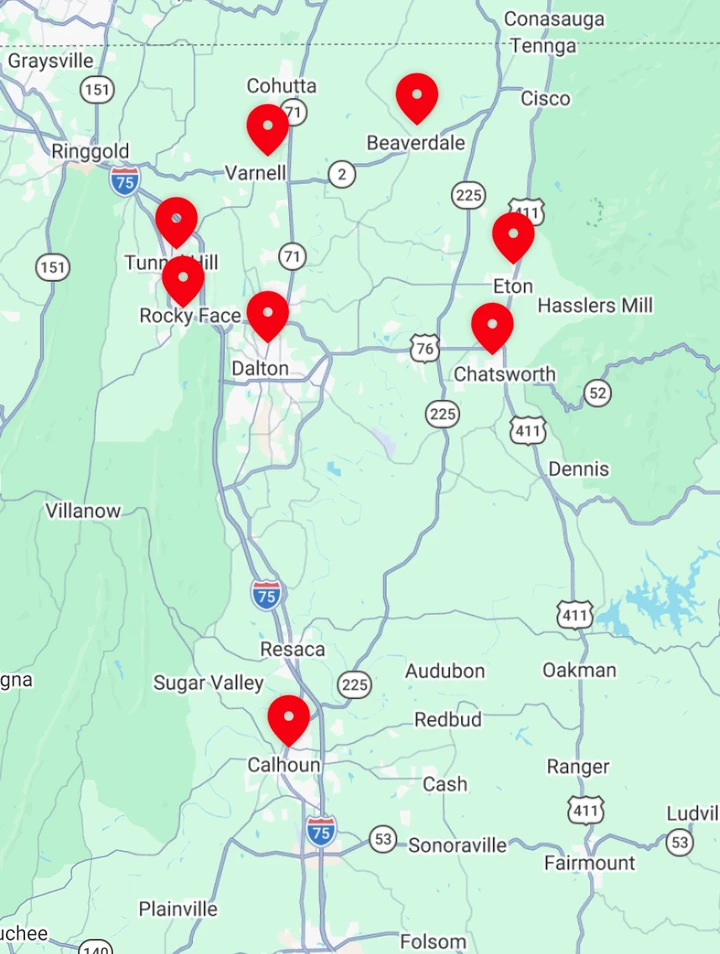
We install packaged units in Dalton, Chatsworth, and the communities below. Our service area overview describes our full coverage, and each city with its own page links to local details. Each community is served from our Chatsworth home base.
-
Dalton, GA — The Dalton page explains how we plan packaged system projects for city homes. -
Rocky Face, GA — Rocky Face households can read about packaged unit planning on our local page. -
Varnell, GA — Varnell homeowners will find our packaged unit process laid out on the Varnell page. -
Beaverdale, GA — The Beaverdale page walks through packaged unit work for area residents. -
Eton, GA — Eton readers can review our packaged unit installation details on the Eton page. Calhoun, GA — Calhoun is among the communities we serve for packaged unit installation. Tunnel Hill, GA — Tunnel Hill is among the communities we serve for packaged unit installation.
Compare a Packaged Unit With Other Home Comfort Systems
Some homeowners weigh a packaged unit against other systems, or plan several pieces of equipment together. Browse our services overview for everything we install, repair, and maintain.
Planning a Packaged Unit With True Temp
A packaged system works best when the cabinet, the outdoor site, and the ductwork are planned together. Our team will listen to what you have noticed, explain the options that fit your property, and answer your questions before any work is scheduled. A clear plan up front makes the decision easier to make with confidence.
Whether you are replacing an aging cabinet or planning a first packaged system for your home, we will help you choose the next step with clear information and no pressure. Tell us about the site, the ductwork, and your current equipment, and we will answer your questions plainly.