When Hot Water Fails
Tankless Water Heater Repair in Dalton & Chatsworth, GA
When a tankless water heater delivers lukewarm water, shuts off during use, or shows a fault code on its display, the most useful first step is an accurate diagnosis. At True Temp Heating & Air, we repair tankless systems for homes in Dalton, Chatsworth, and across our service area, including Rocky Face, Varnell, Beaverdale, and Eton. Rinnai is our tankless brand, and we work on all makes. We check the unit, its fuel and water connections, and its controls before we recommend a repair, then explain each option in plain language before any work begins.
Describe The Problem
Tell Us What Your Tankless Water Heater Is Doing
Send us the details about the symptoms you have noticed, when they began, and whether the unit has been repaired before. Include the unit's make and any codes on its display if you can read them, since those details help us plan a useful first conversation. If your tankless system is better suited to replacement than repair, we will explain that openly, and you can compare our tankless water heater installation options. For routine care that helps catch small faults early, review our tankless water heater maintenance visits, or compare a tank water heater repair if your home uses a storage unit.
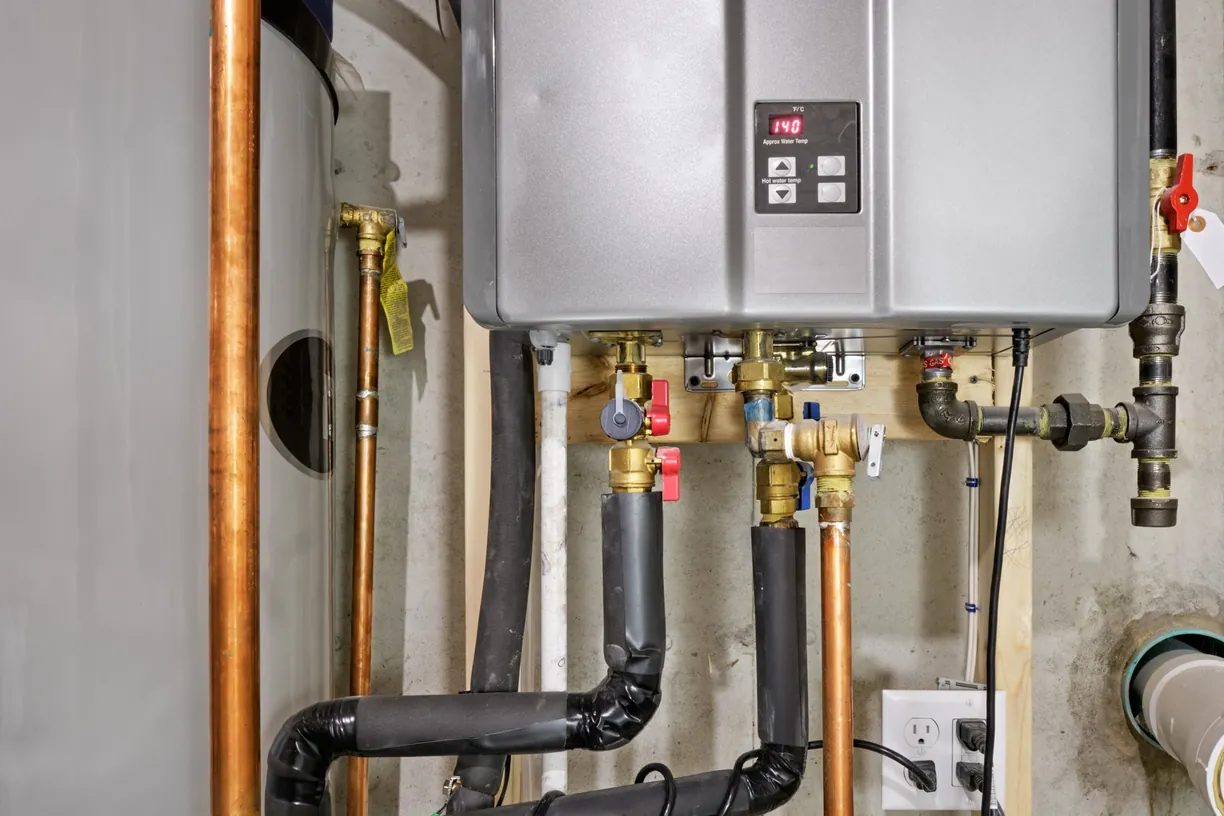
A Tankless Repair Company That Diagnoses Before It Recommends
A tankless repair is only worth doing when it fixes the cause, not just the symptom that made you pick up the phone. You can read our company background or meet the team that will visit your home before you reach out. When you are ready to talk through the problem, contact our team and we will set up a conversation about what you are seeing.
Symptoms That Point to a Tankless Fault
Tankless units rarely fail without warning. The symptoms below often point to a specific fault, and describing them accurately helps us narrow the diagnosis before we look at the unit.
Water that runs lukewarm or swings between hot and cold often points to a flow rate the unit cannot heat properly, a faulty temperature sensor, or mineral buildup restricting the heat exchanger. Note which fixtures are affected and whether the problem appears at the start of a shower or after a few minutes of use.
Most tankless units show a fault code when a sensor, valve, or ignition component reports a condition outside its normal range. A code points to a category of fault rather than a single part, so we read it alongside the unit's history before replacing anything. Write down the code, the time you saw it, and what the unit was doing, since that detail narrows the diagnosis.
A unit that cuts out partway through a shower or while the dishwasher runs may be seeing a flow rate too low to hold ignition, or a sensor that loses its reading. A clogged inlet water screen, a failing flow sensor, or a worn ignition component can produce the same shutoff.
Water around the unit, its water connections, or a condensate drain line should be checked, because even a slow leak can damage nearby walls, flooring, and fittings. Look for drips at the inlet and outlet fittings, around the pressure relief valve, and along any drain line on a condensing unit.
A rumbling or popping sound, often called kettling, can come from mineral buildup that traps steam inside the heat exchanger. Fan noise or vibration can point to a worn fan, loose mounting, or a failing component inside the cabinet. Describe when the noise starts and whether it changes during use.
If you smell gas, leave the home and call your gas provider or 911 before you call us. A scorched or burnt smell from the unit can point to a combustion or venting problem that needs inspection. Do not open the cabinet or reset the unit repeatedly, since that can hide the fault and create a hazard.
The Steps We Follow From First Call to Tested Repair
Every tankless repair follows the same order, so each stage narrows the cause before anything is replaced. The steps below show how a typical visit unfolds, and our team explains each stage as we move through it.
1. Review the Symptoms and the Fault History
We start with what you have seen, because the timing and pattern of a fault often point toward its source. We also look at any codes recorded on the unit and the service it has received in the past.
- Ask when the problem started and whether it appears at one fixture or at every tap
- Note any fault codes, flashing indicators, or sounds you have noticed
- Review prior repairs, descaling, and other service visits on the unit
- Confirm the temperature setting and how the household uses hot water day to day
- Ask whether the unit has shut off during recent use, and under what conditions
- Agree on what you want the visit to answer, so the diagnosis stays focused
2. Check the Fuel, Power, and Water Supply
Many tankless complaints trace back to the supply the unit depends on. We check each supply before we look inside the unit, so we do not replace a component that is working correctly.
- Confirm the gas supply pressure and the condition of the shutoff valve and fittings
- Check the electrical connection and the power the unit receives
- Measure the incoming water pressure and look for restrictions in the supply line
- Inspect the inlet water screen for debris that could restrict flow
- Review the venting and exhaust path for blockages or damage
- Note any leaks at the connections before the unit is powered up
3. Test the Heat Exchanger, Sensors, and Ignition
The internal components decide whether the unit heats water to the setting you chose. We test each one under operating conditions rather than relying on a visual check alone.
- Inspect the heat exchanger for mineral scale that restricts water flow or heat transfer
- Test the flow sensor and confirm it activates when hot water is drawn
- Check the temperature sensors and compare their readings with the outlet temperature
- Verify the ignition sequence and the burner response during a test run
- Review the control board for stored fault codes and recorded operating history
- Compare the readings with the manufacturer's specifications for the model
4. Explain the Cause and the Repair Options
Once the readings are in, we match the symptoms to the fault they point toward. We show you the evidence and explain the choices, so you understand the cause before you decide how to proceed.
- Walk through the readings, the worn parts, and the components that tested correctly
- Separate the repair you need now from related items that can wait for a later visit
- Describe the reliability you can expect after each option, in terms you can compare
- Explain whether the unit is worth repairing given its age, condition, and service history
- Answer your questions before any part is installed or any setting is changed
- Confirm the repair plan in writing so you have the same details we discussed
5. Complete the Repair, Retest, and Document the Results
The visit is not finished until the unit produces hot water correctly at the fixtures you use. We retest the work and leave you with a written record, so you have a clear reference for the repair.
- Complete the agreed repair and confirm the parts installed match what we discussed
- Retest the unit at several fixtures and record the outlet temperatures and flow readings
- Confirm the controls and display respond as expected after the repair is complete
- Clear any stored fault codes and confirm the unit no longer reports the original fault
- Give you a written summary of the findings, the work performed, and the test readings
- Discuss whether our maintenance plan fits your unit once the repair is complete
Tankless Faults We Diagnose and Repair Most Often
Each card describes a fault we see often and what a repair typically involves.
Ignition and Burner Faults
A unit that fails to light, or lights and then drops out, can have a weak igniter, a dirty burner, or a control fault. We test the ignition sequence before replacing any component.
Flow Sensor Replacement
A flow sensor that does not register water movement can keep the unit from heating at all. We test the sensor under flow and replace it when the test confirms the fault.
Temperature Sensor and Control Board Checks
Inaccurate temperature readings can cause swings at the tap or an unexpected shutdown. We check the sensors against the outlet temperature and inspect the control board.
Heat Exchanger Scale Removal
Mineral scale narrows the water passages and reduces heat transfer. We clean what can be cleaned and tell you whether the heat exchanger has lasting damage.
Leak Repair at Water Connections
Drips at fittings and valves often come from a worn washer, a loose connection, or a damaged valve. We locate the source and repair or replace the part.
Gas Valve and Fuel Line Repair
A gas valve that fails to open, or a restricted fuel line, can stop the unit from firing. We test the valve and supply before any repair.
Venting and Exhaust Repair
A blocked or damaged vent can cause the unit to shut down as a safety measure. We inspect the vent path and exhaust connections, then correct the restriction or damage we find.
Condensate Drain Clearing
Condensing tankless units produce condensate that must drain freely. A blocked drain line can cause shutdowns or water on the floor, so we clear the line and check the trap.
HVAC Maintenance Plans for Dalton & Chatsworth Homes and Businesses
Regular maintenance is the simplest way to keep your system efficient and avoid surprise breakdowns. Our maintenance plans put your equipment on a regular tune-up schedule so small issues get caught early — before they turn into a no-heat or no-cool call.
Residential Maintenance Plan
Keep your home's heating and cooling running at its best year after year. Our residential plan covers routine tune-ups for your AC, heat pump, furnace, mini-split or packaged unit.
Commercial Maintenance Plan
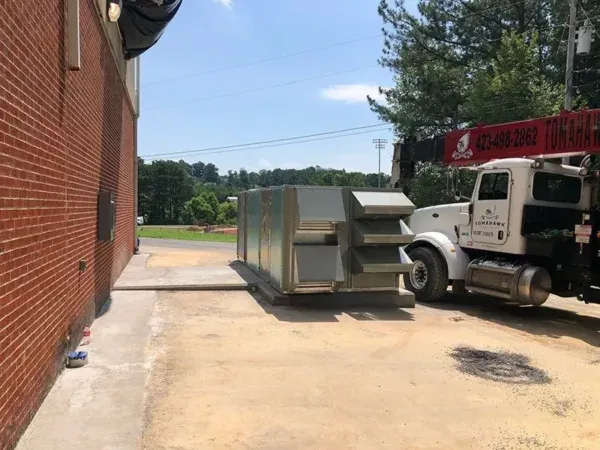
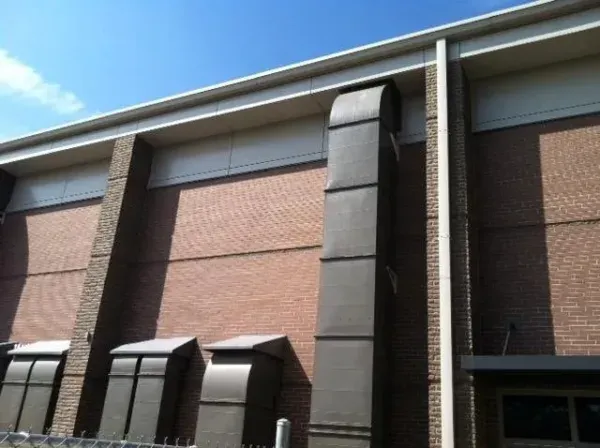
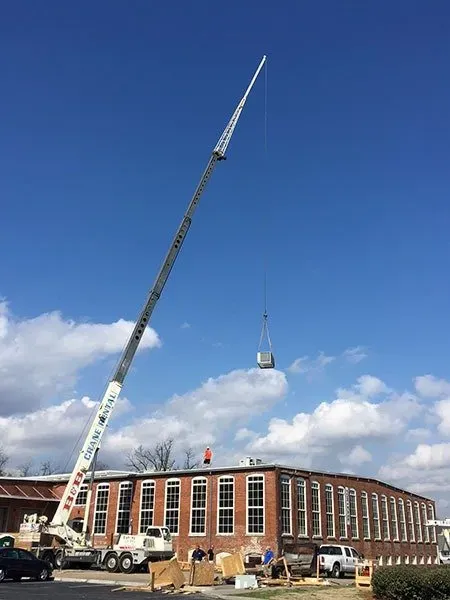
Downtime costs your business. Our commercial plan keeps rooftop units, boilers and chillers on a regular service schedule so your building stays comfortable and your equipment lasts.
What Dalton & Chatsworth Customers Say About Our Heating and Cooling Company
Good reviews don't come from advertising — they come from showing up and doing the work right. Here's what our neighbors across North Georgia have to say about True Temp Heating & Air.
Tankless Repair Questions Homeowners Ask
Lukewarm water usually means the unit is not heating to the setting you chose, or the flow through it does not match what the unit can heat. Common causes include a demand that exceeds the unit's capacity, a faulty temperature sensor, or mineral scale restricting the heat exchanger. We test each possibility and explain the cause before recommending a repair. Our tankless water heater overview explains the options.
A fault code identifies the system that reported a problem, such as ignition, flow, temperature, or venting. It does not always name the failed part, because one code can have several causes. When you call, tell us the code and what the unit was doing when it appeared. We check the unit's stored history, test the related components, and explain what the code means for your repair.
Yes. Rinnai is our tankless brand, and we work on all makes, so a unit from another manufacturer can still be evaluated and repaired by our team. We look at parts availability, the unit's age, and its condition before recommending a repair. If a replacement would serve your home better, we will explain the reasons and describe what that would involve.
Yes. True Temp Heating & Air offers 24/7 emergency service. When you call, describe the problem, including whether you have lost hot water, seen a fault code, or noticed a leak. If you smell gas, leave the home and contact your gas provider before calling us. The details you share help our team plan the visit around the problem you are seeing.
The answer depends on the fault, the unit's age and service history, and how the cost of the repair compares with the value of the unit. A single failed sensor on a well-maintained unit is often worth repairing. Heat exchanger damage or repeated failures across several components may point toward replacement. We explain both paths in writing so you can weigh the choice against your household's needs.
Not always. A drip at a fitting can come from a worn washer or a loose connection, which is often a straightforward repair. Water inside the cabinet or a steady leak from the heat exchanger points to a more serious fault. If water is pooling and you know where the unit's water shutoff valve is, close it, then call us so we can trace the source.
Write down the unit's make and model if you can read the label, the fault code shown on the display, and when the problem began. Note whether it happens at one fixture or at every tap, and whether it occurs in the first minute of use or only after longer runs. If you have service records or a list of previous repairs, have them ready. These details help our team plan a useful first conversation.
Hot water service usually pauses while we work on the unit, because the water and fuel supplies must be isolated for some repairs. The length of the pause depends on the fault and the repair, so we explain what to expect during the planning conversation. Our team also tells you when service will return and checks the unit at several fixtures before we finish.
Some repairs touch the gas supply, the electrical connection, or the venting, so they need careful testing and sometimes a change to the connection. We test those systems before recommending work on them, and we explain each step in plain terms. If a supply line needs repair, we show you what is involved before anything changes. We also explain any approvals the work requires before it begins.
We work with Service Finance, North Georgia Electric, and Wells Fargo, so you can compare ways to plan a larger repair bill. Each lender sets its own terms and approval decisions, and our team can explain which program may fit your situation. A repair should still be justified by the condition of the unit, so we will give you our honest assessment before you decide.
Have a Question We Didn't Answer? Contact Us!
Submit Question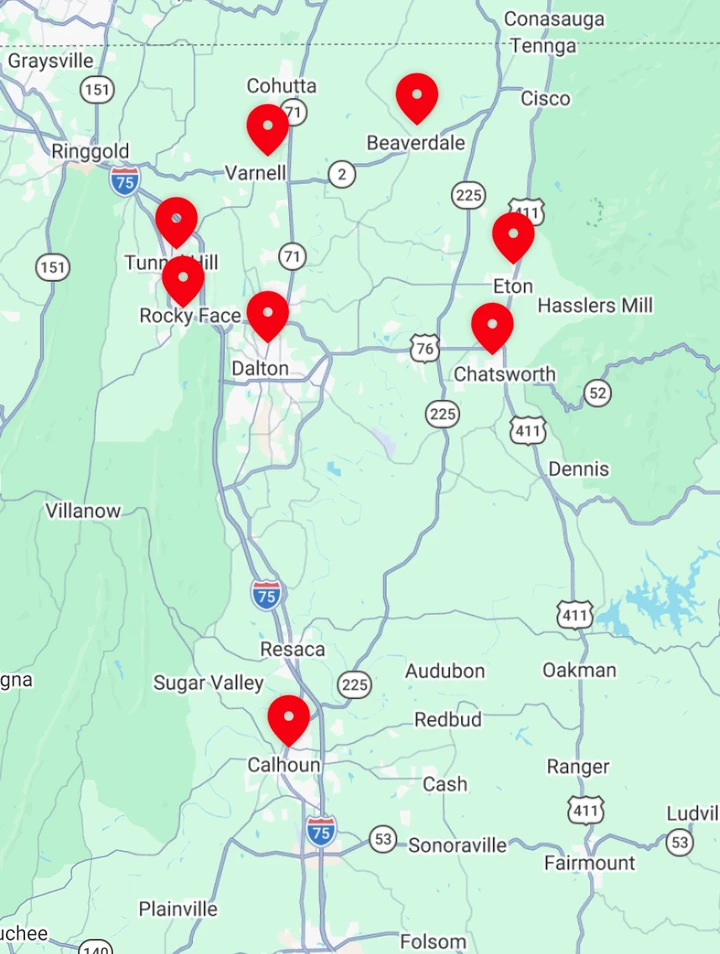
Tankless Repair Coverage Across Our Service Area
We repair tankless water heaters in Dalton, Chatsworth, and throughout the communities below. Our service area overview shows our full coverage, and each city with its own page includes local details for homeowners.
-
Dalton, GA — Our Dalton page describes tankless repair for homeowners in the city. -
Rocky Face, GA — Our Rocky Face page covers repair visits for households in the community. -
Varnell, GA — Our Varnell page explains how we diagnose tankless faults for local homes. -
Beaverdale, GA — Our Beaverdale page outlines our repair approach for the area. -
Eton, GA — Our Eton page details tankless repair service for residents of the city. Calhoun, GA — Calhoun is among the communities where we repair tankless water heaters. Tunnel Hill, GA — Tunnel Hill is among the communities where we repair tankless water heaters.
Related Systems We Repair in the Same Homes
Many homeowners with a tankless unit also run heating or cooling equipment. Browse our services overview for the full list of what we cover.
Reach Our Tankless Repair Contractor in Dalton & Chatsworth, GA
A tankless unit that is not heating correctly is easier to manage when someone explains the cause before any work begins. Our team will walk you through the symptoms, the diagnosis, and each repair option, so you can decide with confidence. Bring your questions along with the unit's make, any fault codes, and its recent service history.
We serve Dalton and Chatsworth from our on-site showroom and fabrication shop, and we are glad to talk through your options by phone or in person. Tell us what the unit is doing, and we will explain what we find in plain terms.